Modern School Life in Moscow: Building Inclusive, Engaging Education Through Home–School Partnership
Education in Moscow sits at the crossroads of deep cultural tradition and rapid modernization. From central city lyceums to neighborhood schools, educators, parents, and students can work together to create a balanced school life that supports academic success, personal development, and social inclusion. Below are practical ideas and examples rooted in Moscow’s educational landscape — useful for teachers, parents, school leaders, and extracurricular organizers.
The Moscow context: what shapes school life today
— Strong city support and networks: Moscow’s Department of Education, municipal program funding, and city resources (libraries, cultural institutions) provide opportunities for partnership and enrichment.
— Competitive academic environment: Lyceums and gymnasiums emphasize preparation for the Unified State Exam (ЕГЭ), while many schools balance exam readiness with broad development.
— Rich cultural ecosystem: museums (Pushkin, Tretyakov), theaters, concert halls, and university partnerships (MGU and others) supply real-world learning and extracurricular activities.
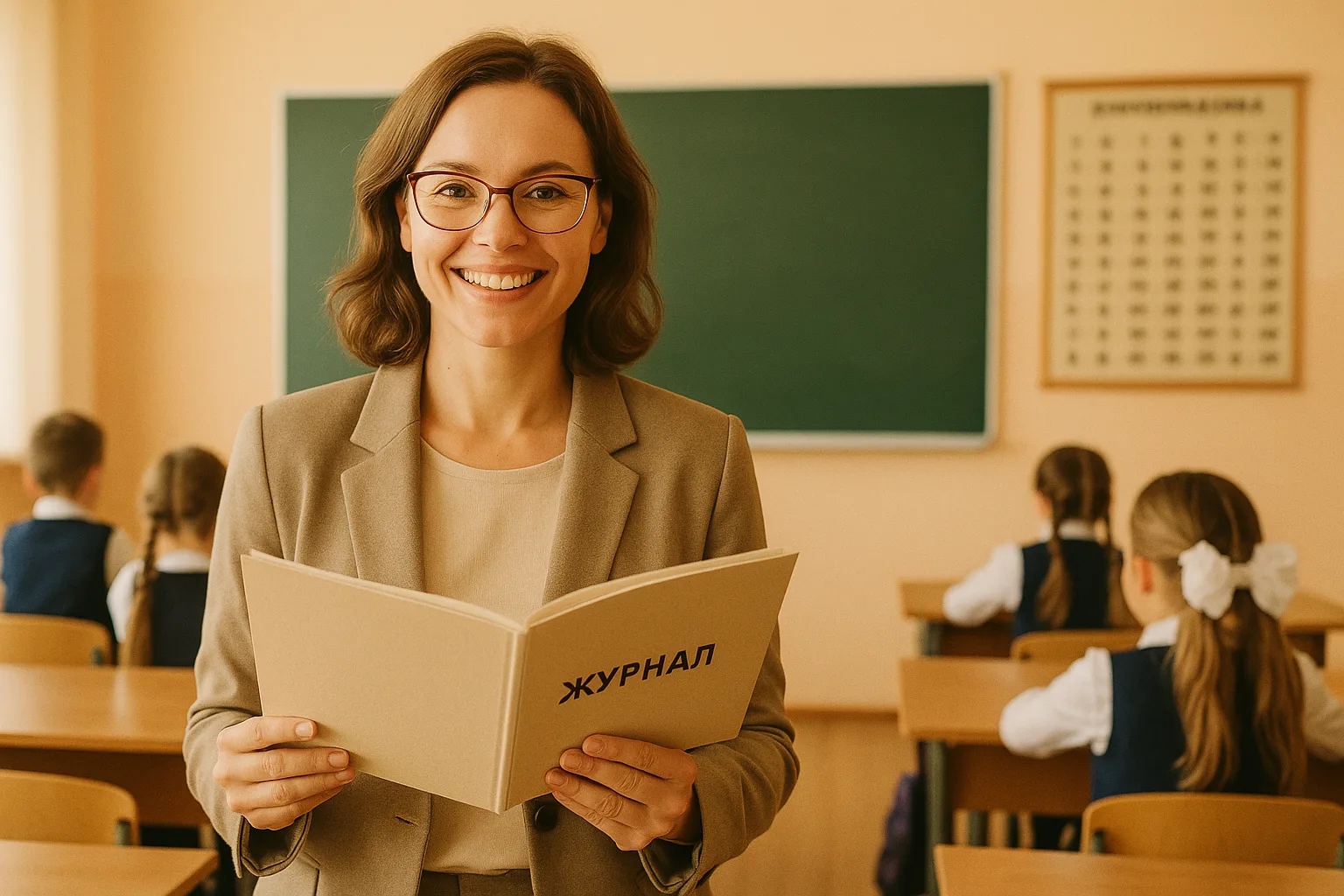
— Digital tools: platforms such as Дневник.ру, электронный журнал, and Mos.ru services enable stable home–school communication and recordkeeping.
Priorities for student development
— Academic achievement and critical thinking: encourage inquiry-based learning and cross-curricular projects.
— Social and emotional learning (SEL): emotional literacy, conflict resolution, teamwork and resilience are essential.
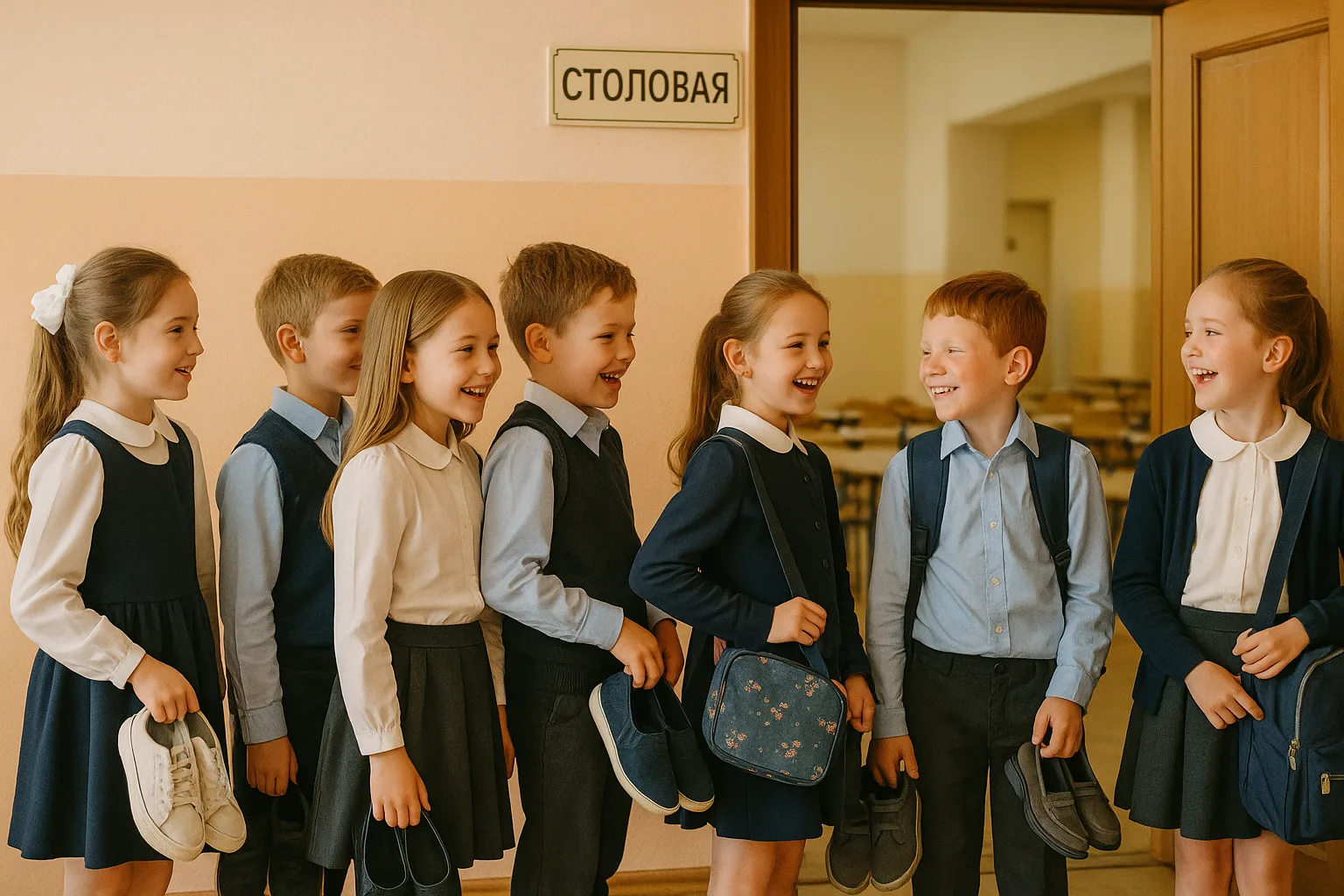
— Physical and artistic development: sports clubs, music and art schools, dance studios, and drama programs in Moscow enrich children’s lives.
— Career and civic readiness: internships, volunteer projects, and university open days help older students plan futures.
Inclusive education in practice
— Philosophy: inclusion is about access and belonging — adapting teaching so all students can participate meaningfully.
— Classroom strategies:
— Differentiated instruction: tiered tasks, flexible grouping, and personalized learning paths.
— Universal Design for Learning (UDL): multiple means of representation, expression, and engagement.
— Assistive technologies: text-to-speech, enlarged texts, audio descriptions; many Moscow schools are gradually integrating such tools.
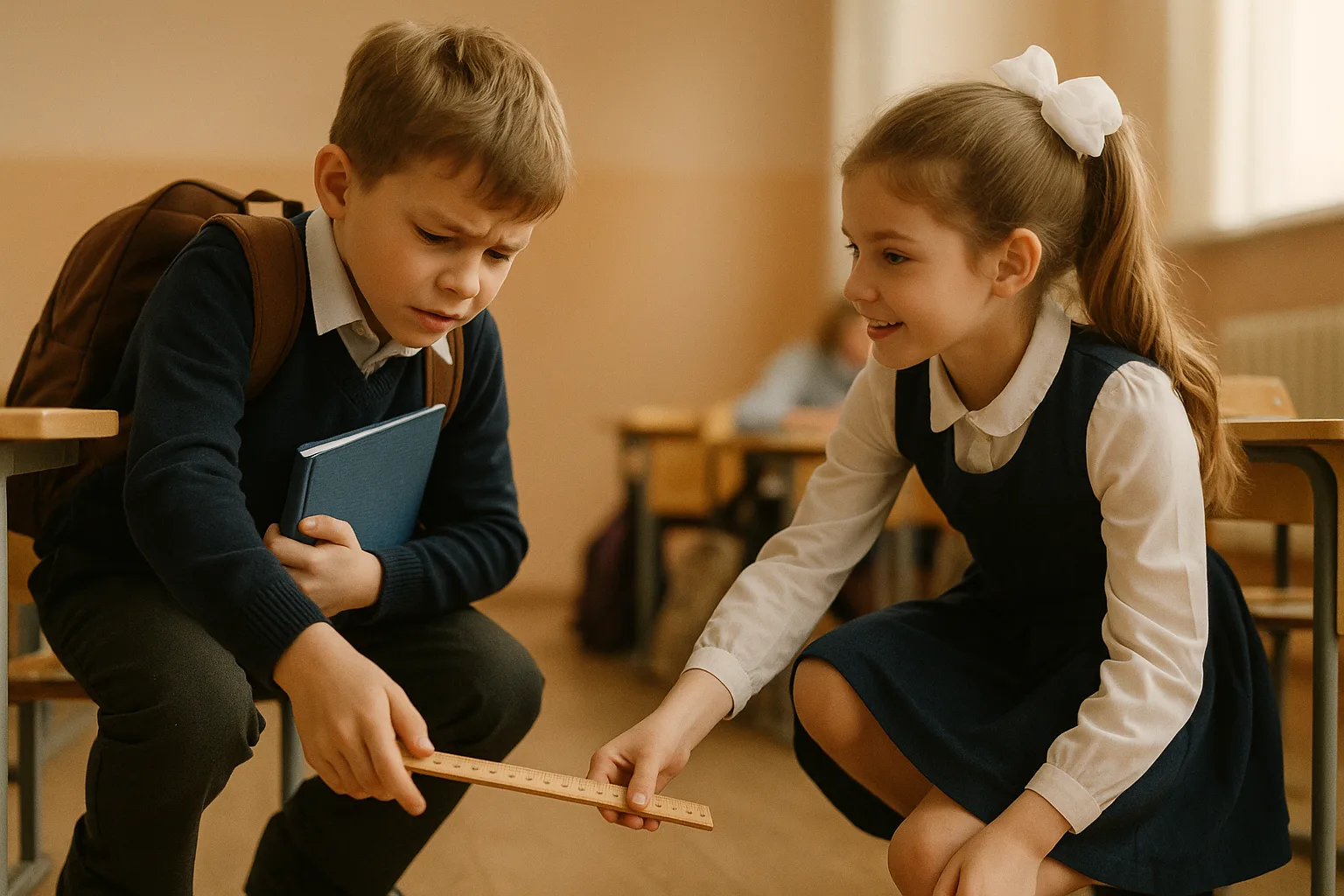
— Peer support: buddy systems, cooperative learning and mentoring between classes or grades.
— Schoolwide actions:
— Teacher training in special education needs (SEN) and inclusive practices.
— Accessible physical environments and clear communication about accommodations.
— Family engagement: co-created Individualized Learning Plans (ILPs) and regular review meetings.
Modern teaching practices that work in Moscow schools
— Project-based learning (PBL): tie projects to local resources — museum research projects, neighborhood history, or environmental monitoring of parks.
— Blended and flipped classrooms: combine in-class active learning with online materials and formative quizzes.
— Formative assessment: short checks for understanding, exit tickets and digital quizzes to guide instruction.
— Interdisciplinary STEAM initiatives: partner with tech hubs, universities, and Fab Labs to bring coding, robotics and engineering into lessons.
— Differentiation and mastery learning: let students progress at their own pace toward clear standards.
Strengthening parent–teacher interactions
— Make communication regular, structured and two-way:
— Use a mix of channels: scheduled conferences, messaging on Дневник.ру, email, and brief phone or video check-ins.
— Share learning objectives and concrete ways parents can help at home (short daily routines are more effective than long, infrequent sessions).
— Set shared goals:
— Begin the year with a joint student profile and 3–4 clear learning and wellbeing goals.
— Hold mid-year and end-of-year reviews — include the student in the conversation.
— Practical meeting structure (15–20 minute parent–teacher session):
— Quick wins (what’s going well) — 3 minutes
— Areas for growth and evidence — 5 minutes
— Concrete actions at school and home — 5 minutes
— Agree review date and communication plan — 2 minutes
— Engage parents beyond reporting:
— Invite parents to classroom workshops, volunteering opportunities, cultural excursions, and extracurricular showcases.
— Offer brief parent education evenings about digital safety, homework routines, or mental health resources.
Extracurricular life in Moscow: balancing depth and breadth
— Diversify offers: sports, arts, robotics, language clubs, and civic projects. Moscow’s municipal programs and private clubs provide many options.
— Focus on sustained participation: encourage depth (years of practice) rather than short-term sampling when possible.
— Partnerships: link after-school activities with cultural institutions and universities to provide quality mentorship and resources.
— Equity: ensure subsidized or free options are available so all families can participate.
Practical checklists
— For teachers: quick inclusive-classroom checklist
— Present learning objectives visibly and simply.
— Offer at least two ways students can show understanding.
— Use mixed-ability grouping and assign rotating roles.
— Check understanding frequently with short formative tasks.
— Communicate accommodations and progress to parents.
— For parents: quick home–school support checklist
— Keep a predictable daily routine (sleep, study, meals, activity).
— Read and discuss school messages weekly.
— Provide short, focused help with homework (15–30 minutes), then encourage independence.
— Attend at least one school event or meeting per term.
— Encourage one sustained extracurricular pursuit and one recreational activity.
Examples of effective Moscow collaborations
— Museum-led projects: a history unit partnered with the State Historical Museum or Tretyakov Gallery, culminating in student exhibitions or performances.
— University mentorships: older students paired with university students for subject tutoring, research projects, or career talks.
— Sports and health initiatives: municipal sports complexes partnering with schools for after-school training and competitions.
Final recommendations
— Prioritize relationships: trust between teachers, students and parents multiplies every learning initiative’s effectiveness.
— Start small and scale: pilot new practices (flipped lesson, inclusive routine, project) with one class, collect feedback, then expand.
— Use Moscow’s cultural and institutional assets: field trips, guest experts and local competitions create meaningful, real-world learning.
— Keep the student central: include students in goal-setting and reflections; their voice improves motivation and outcomes.
Education in Moscow has unique strengths — rich cultural resources, active municipal support, and motivated families. When modern teaching methods, inclusive practices, and strong parent–teacher partnerships come together, school becomes a place where every child can grow academically, socially and creatively.