Introduction
School life in Moscow today is changing fast — blending long-standing traditions with digital innovation, broader extracurricular offerings, and a growing focus on inclusive education. For parents, teachers, and school leaders, the challenge is to create learning environments where every child develops academically, socially, and emotionally. This article outlines practical approaches and local Moscow resources that make that possible.
The Moscow school context (brief)
— Municipal support: The Moscow Department of Education and city platforms (for example, *Московская электронная школа — МЭШ* and the mos.ru services) provide digital curricula, assessment tools, and information for families.
— Variety of schools: From neighborhood public schools to gymnasiums and private institutions, Moscow offers diverse educational models and extensive after-school networks.
— Cultural advantage: Access to museums, theatres, scientific centers, and sports complexes gives students rich opportunities for experiential learning.
Modern teaching practices that work
Teachers in Moscow benefit from blending proven pedagogy with modern tools:
— Project-based learning
— Real-world projects connect curricula to city life (local history projects, ecology studies in Moscow parks, STEM challenges).
— Blended and personalized learning
— Use platforms like МЭШ, Google Classroom or school LMS to mix in-person lessons with online tasks; adapt pace to student needs.
— Formative assessment and feedback
— Frequent low-stakes checks help guide learning and allow early intervention.
— Collaborative and interdisciplinary lessons
— Team-teaching, cross-subject projects and partnerships with cultural institutions deepen understanding.
— Skills-based focus
— Emphasize critical thinking, communication, digital literacy and socio-emotional learning alongside core academics.
Inclusive education — principles and practices
Inclusion means adapting school life so all learners can participate and succeed.
Key principles:
— Equity of access rather than sameness of treatment.
— Individualized support built on strengths.
— Collaboration among teachers, specialists, parents and students.
Practical steps for Moscow schools:
— Develop an *Individualized Development Plan* (Индивидуальная программа развития, IPR) when needed, with clear goals and accommodations.
— Create resource rooms and specialist teams (speech therapists, special educators, psychologists).
— Use Universal Design for Learning (UDL) strategies: multiple means of engagement, representation and expression.
— Train staff in differentiated instruction and trauma-informed approaches.
— Ensure physical accessibility and sensory-friendly spaces.
Parent–teacher interaction: making it effective
Good communication is pivotal. Moscow parents and teachers can use both in-person and digital channels.
Best practices:
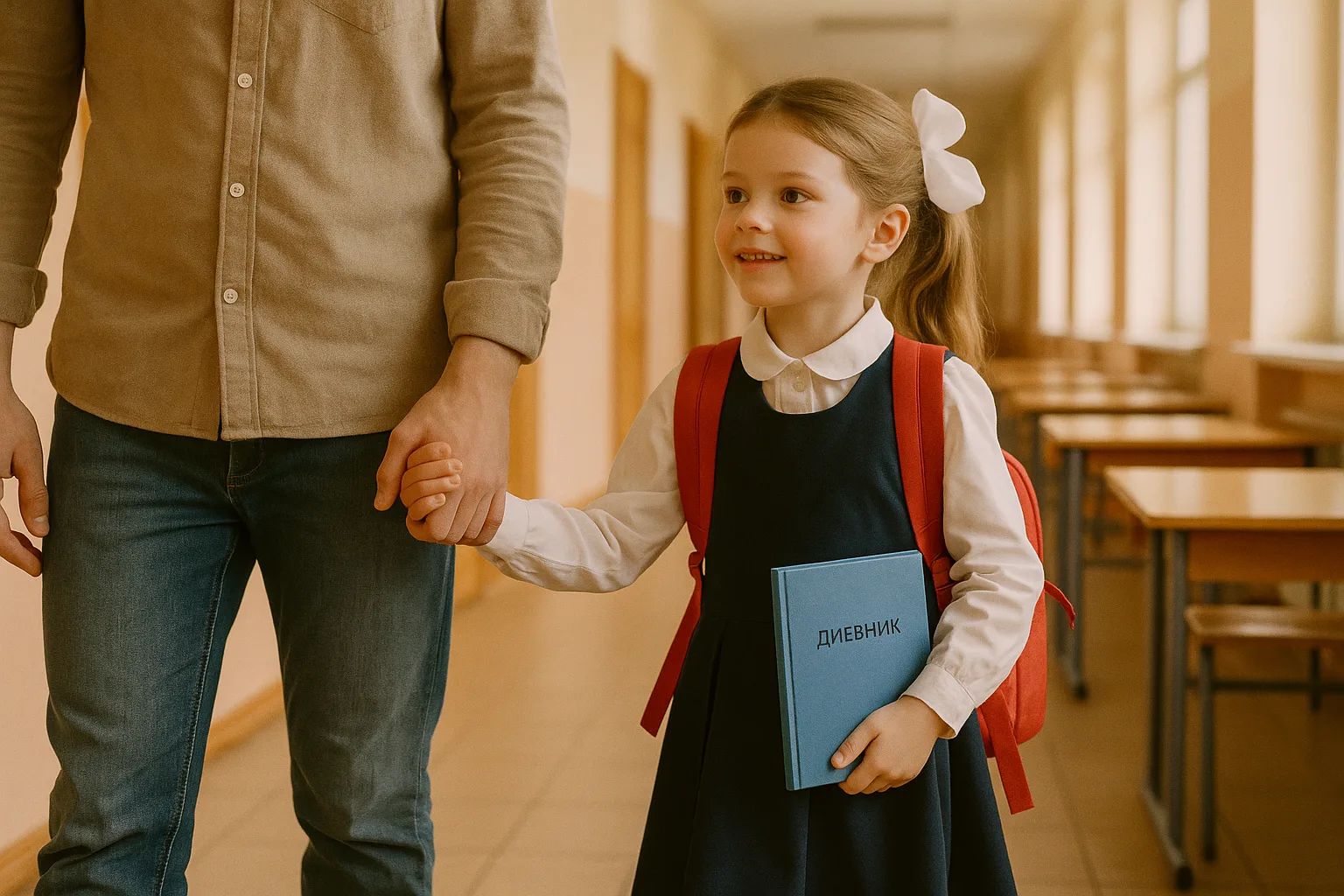
— Regular, structured updates: combine scheduled parent–teacher conferences with short digital check-ins via platforms like Дневник.ру or school messengers.
— Shared goals: co-create learning goals and IPRs when relevant; set clear next steps and responsibilities.
— Constructive meetings: focus on concrete examples, data, and solutions rather than labels.
— Home–school partnership: involve parents in projects, volunteer opportunities and school events to build community.
— Respectful escalation: when concerns remain, request mediation through school leadership or municipal education conciliators.
Tips for parents:
— Prepare for meetings with specific questions and examples of what helps (or hinders) your child.
— Encourage independence: support homework routines but avoid doing tasks for the child.
— Explore city resources: cultural programs, after-school centers and municipal services can extend learning beyond the classroom.
Extracurricular activities in Moscow — breadth and access
Extracurriculars develop passions, social skills and resilience.
Popular options:
— Sports: football, gymnastics, swimming, martial arts — many municipal sports schools (ДЮСШ) and private clubs.
— Arts: theatre studios, music schools, dance groups, and ateliers linked to Moscow museums and conservatories.
— STEM and tech: robotics clubs, coding courses, maker spaces and competitions.
— Social and civic activities: student councils, volunteer programs and ecology initiatives in city parks.
How to choose:
— Match activities to the child’s interests and temperament.
— Balance specialization with opportunities to try new things.
— Keep schedule reasonable — quality participation beats overscheduling.
Measuring student development
Beyond grades, look for:
— Growth in critical thinking, communication and collaboration.
— Emotional regulation and resilience.
— Curiosity and sustained engagement in learning.
— Independence in study habits and time management.
Use varied assessments:
— Portfolios, project presentations, peer and self-assessments, and teacher observations complement tests.
Practical checklist for schools, teachers and parents
For schools:
— Promote inclusive policies and staff training.
— Use city digital tools (МЭШ, mos.ru services) to support learning and communication.
— Facilitate strong extracurricular pathways and community partnerships.
For teachers:
— Incorporate formative assessments and differentiation daily.
— Keep parent communication timely, specific and solution-focused.
— Partner with specialists when students need extra support.
For parents:
— Attend meetings prepared; use digital platforms for updates.
— Support but don’t replace homework routines; foster autonomy.
— Advocate calmly and collaboratively when your child needs accommodations.
Conclusion
Moscow’s educational landscape offers unique cultural and institutional resources. When modern teaching practices, inclusive approaches and strong parent–teacher partnerships come together, students thrive academically and personally. Small, consistent steps — clear communication, flexible instruction and rich extracurricular experiences — build the foundation for every child’s success.
If you’d like, I can prepare:
— A one-page parent–teacher meeting template tailored for Moscow schools.
— A checklist for starting inclusion-friendly practices in a classroom.
— Suggestions for local extracurricular programs by neighborhood.