Moscow School Life Today: A Snapshot
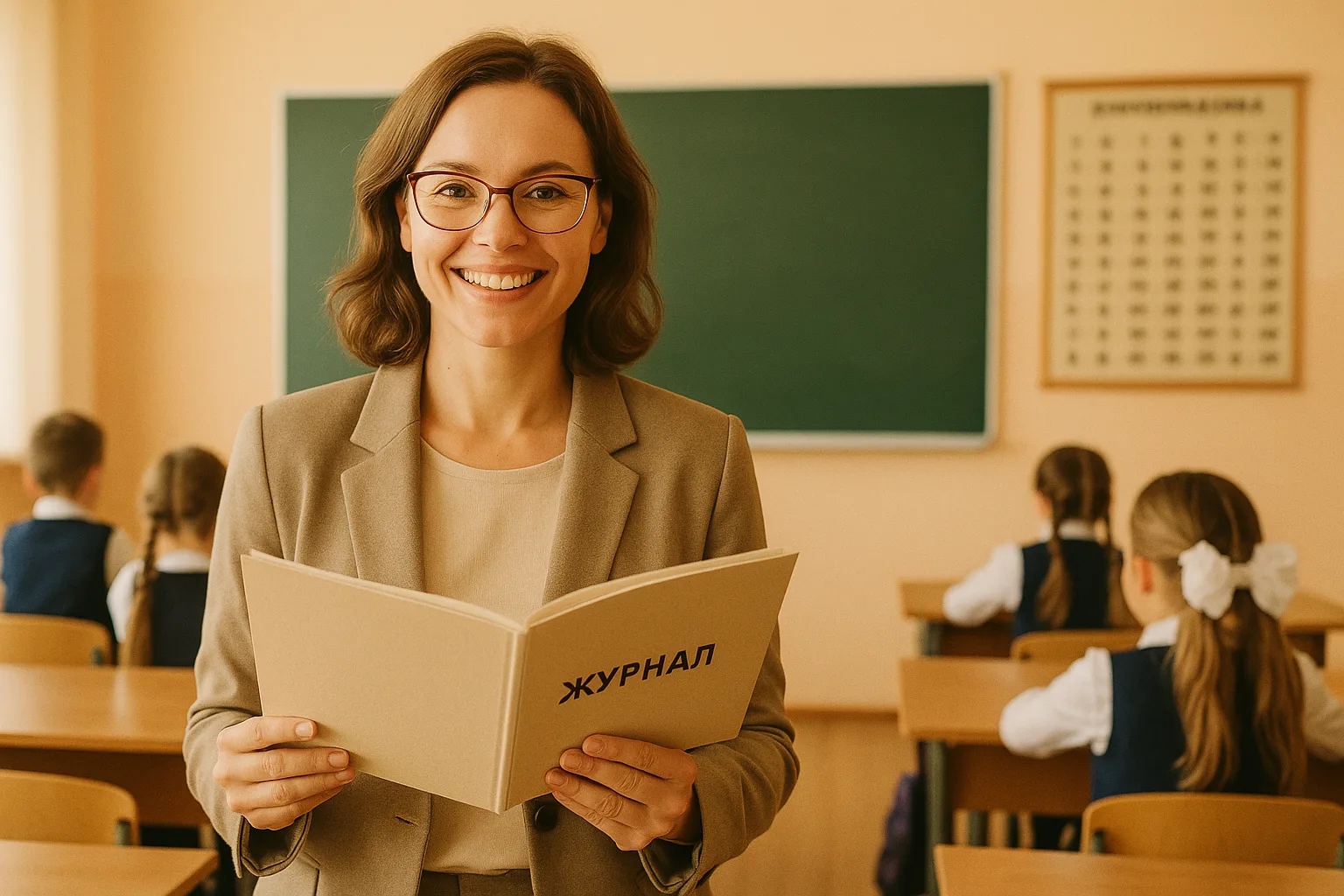
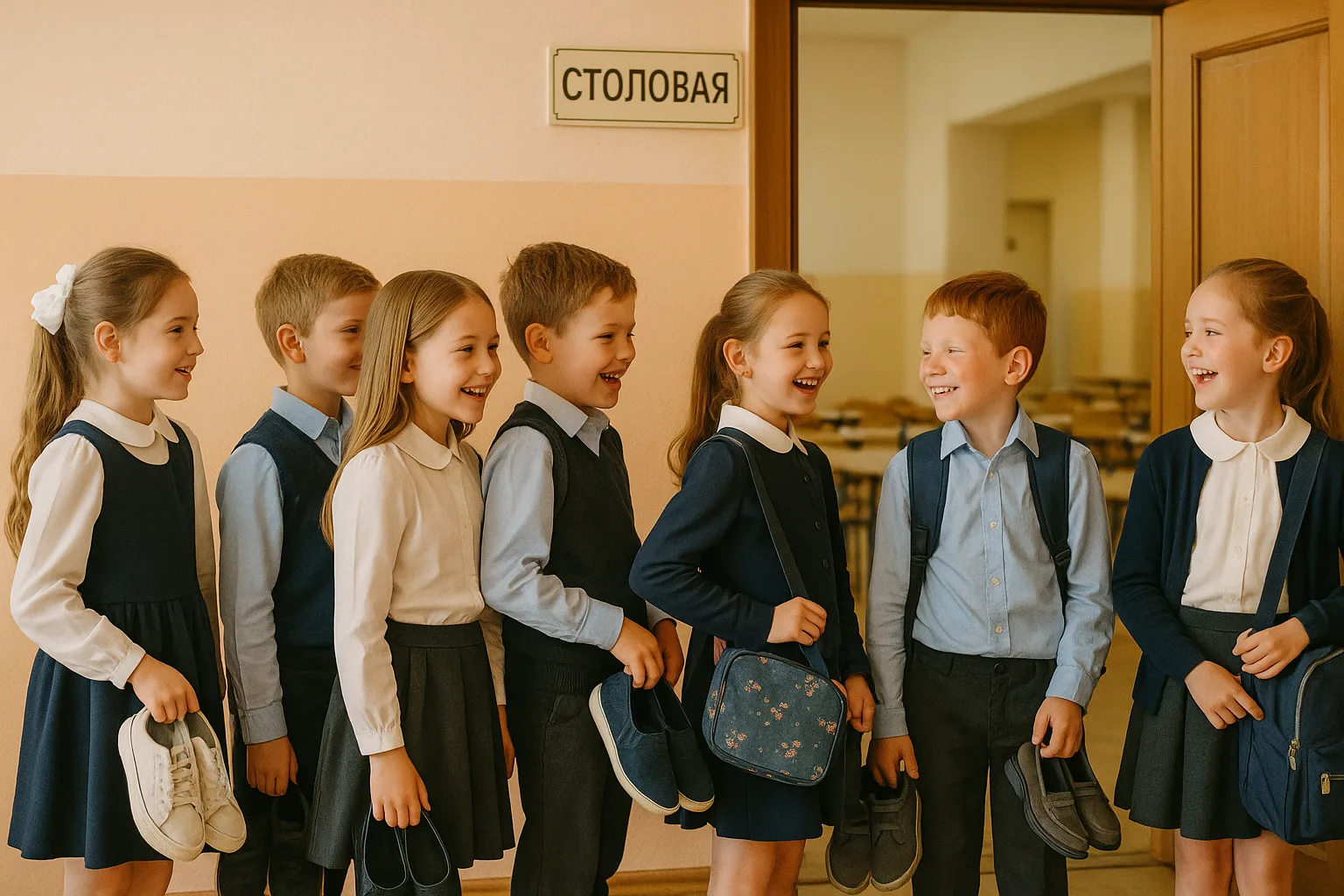
Moscow’s schools blend long educational traditions with rapid modernization. From neighborhood schools and gymnasiums to specialized lyceums and after‑school clubs, students experience a rich mix of academics, arts, and sports. Parents, teachers, and community organizations play central roles in shaping learning pathways that support both academic success and personal growth.
Why Parent–Teacher Interaction Matters
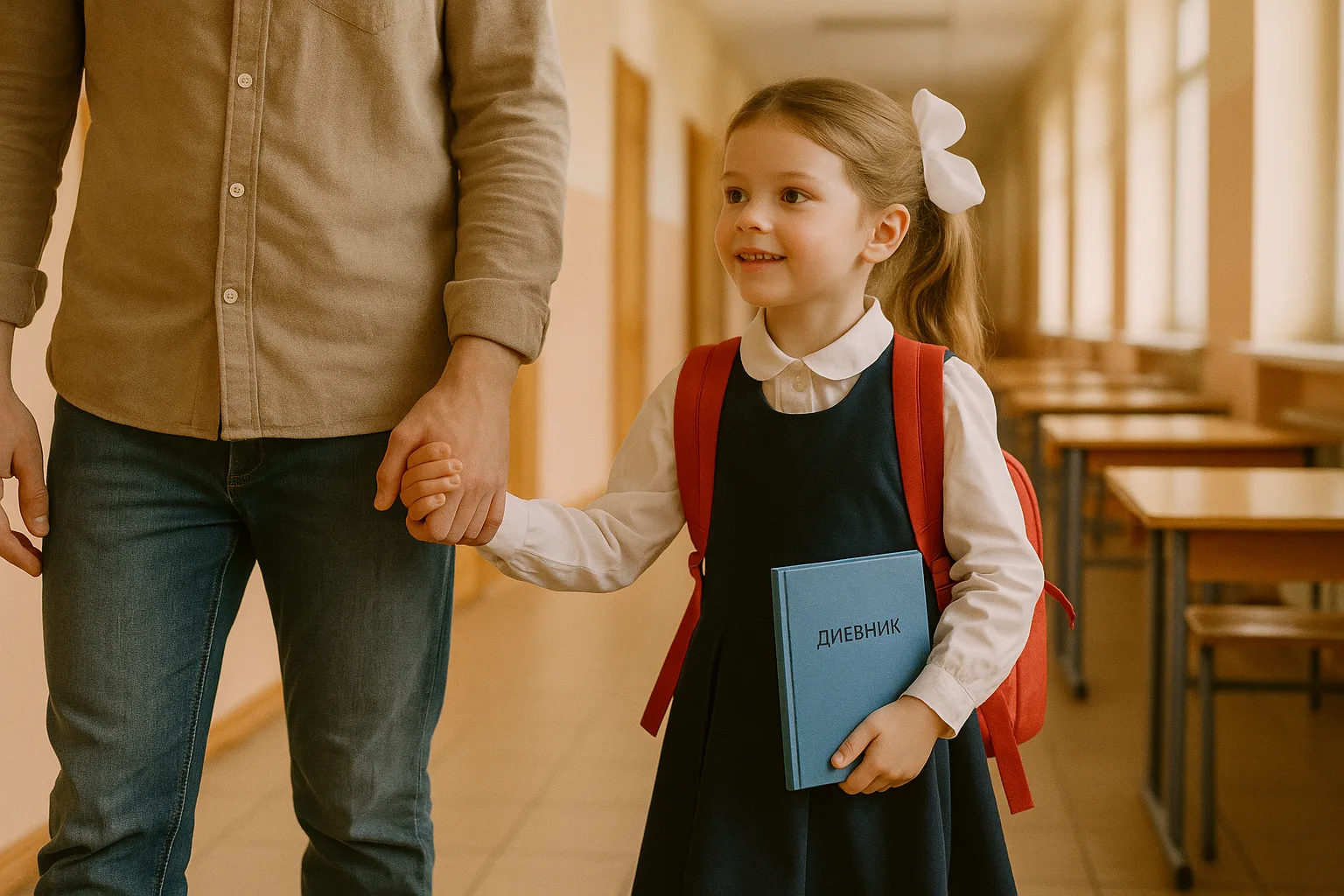
Strong parent–teacher relationships create continuity between school and home, boost student motivation, and help spot learning or wellbeing concerns early.
— *Frequent, structured communication*: regular meetings, progress reports, and quick check‑ins by phone or messaging apps.
— *Shared goals*: align on academic expectations, social behavior, and extracurricular priorities.
— *Mutual respect*: celebrate successes, acknowledge challenges, and collaborate on solutions.
Practical tip: Use a simple weekly update (one paragraph) to share wins and concerns; this low‑effort routine keeps everyone informed and reduces surprises.
Extracurricular Activities: More Than a Hobby
Extracurriculars in Moscow—from chess clubs and robotics to ballet and football—are pathways for skills that tests don’t measure:
— Social skills: teamwork, leadership, conflict resolution.
— Cognitive growth: problem solving, creativity, concentration.
— Wellbeing: physical fitness, stress relief, sense of belonging.
How to choose: balance child interest, time, and variety. Encourage one structured activity and one unstructured pursuit to support discipline and free exploration.
Student Development: Holistic and Individual
Effective development programs focus on the whole child:
— Academic skills: guided inquiry, formative feedback, and study strategies.
— Emotional intelligence: classroom circles, peer mentoring, and social‑emotional learning (SEL).
— Life skills: time management, digital literacy, and civic responsibility.
For Moscow families: seek programs that combine strong core instruction with opportunities for project work, public presentations, and community service—these build confidence and real‑world readiness.
Inclusive Education: Principles and Practice
Inclusive education ensures every child, regardless of ability or background, can participate and learn:
— Classroom design: flexible seating, differentiated tasks, multisensory materials.
— Collaborative support: special educators, psychologists, speech therapists working with teachers.
— Peer support: buddy systems and cooperative projects promote acceptance and social inclusion.
What parents can ask schools: about individual education plans (IEPs), access to specialists, physical accessibility, and teacher training in inclusive methods.
Modern Teaching Practices That Work
Contemporary methods are evidence‑based and child‑centered. Implement these thoughtfully:
— Project‑Based Learning (PBL): students investigate real issues, produce public work, and develop research and presentation skills.
— Flipped Classroom: short video lessons at home, class time for practice and teacher coaching.
— Blended Learning: combining online resources with face‑to‑face instruction to personalize pace and content.
— Formative Assessment: frequent low‑stakes feedback to guide learning, not just end‑of‑term grading.
— Universal Design for Learning (UDL): multiple ways to access content, express knowledge, and engage learners.
In Moscow, digital platforms and city education initiatives can support these methods—ask about teacher training, platform access, and data privacy safeguards.
Practical Steps for Parents and Teachers
For teachers:
— Set transparent goals and share them with families.
— Use short weekly feedback updates and invite parent input.
— Design activities that support diverse learners and include clear success criteria.
For parents:
— Attend parent‑teacher meetings prepared: bring observations and questions.
— Reinforce learning routines at home—consistent homework time, reading, and rest.
— Support extracurricular balance—prioritize wellbeing over overscheduling.
For school leaders:
— Invest in ongoing teacher training on inclusive and modern pedagogies.
— Create clear channels for parent involvement (volunteer committees, open classes).
— Monitor wellbeing indicators alongside academic metrics.
Sample Weekly Routine to Strengthen Home‑School Links
— Monday: teacher posts weekly learning goals and upcoming events.
— Wednesday: quick midweek progress note or photo of class activity.
— Friday: short summary of student progress and one home activity idea.
— Monthly: 15–30 minute parent‑teacher catchups for more detailed conversation.
Final Thought
Moscow’s education ecosystem is rich in opportunity. When parents, teachers, and schools collaborate—grounded in inclusive practices and modern teaching—students thrive academically, socially, and emotionally. Small, consistent actions (clear communication, balanced extracurriculars, and personalized learning) make big differences in shaping engaged, resilient young Muscovites ready for the future.