Introduction
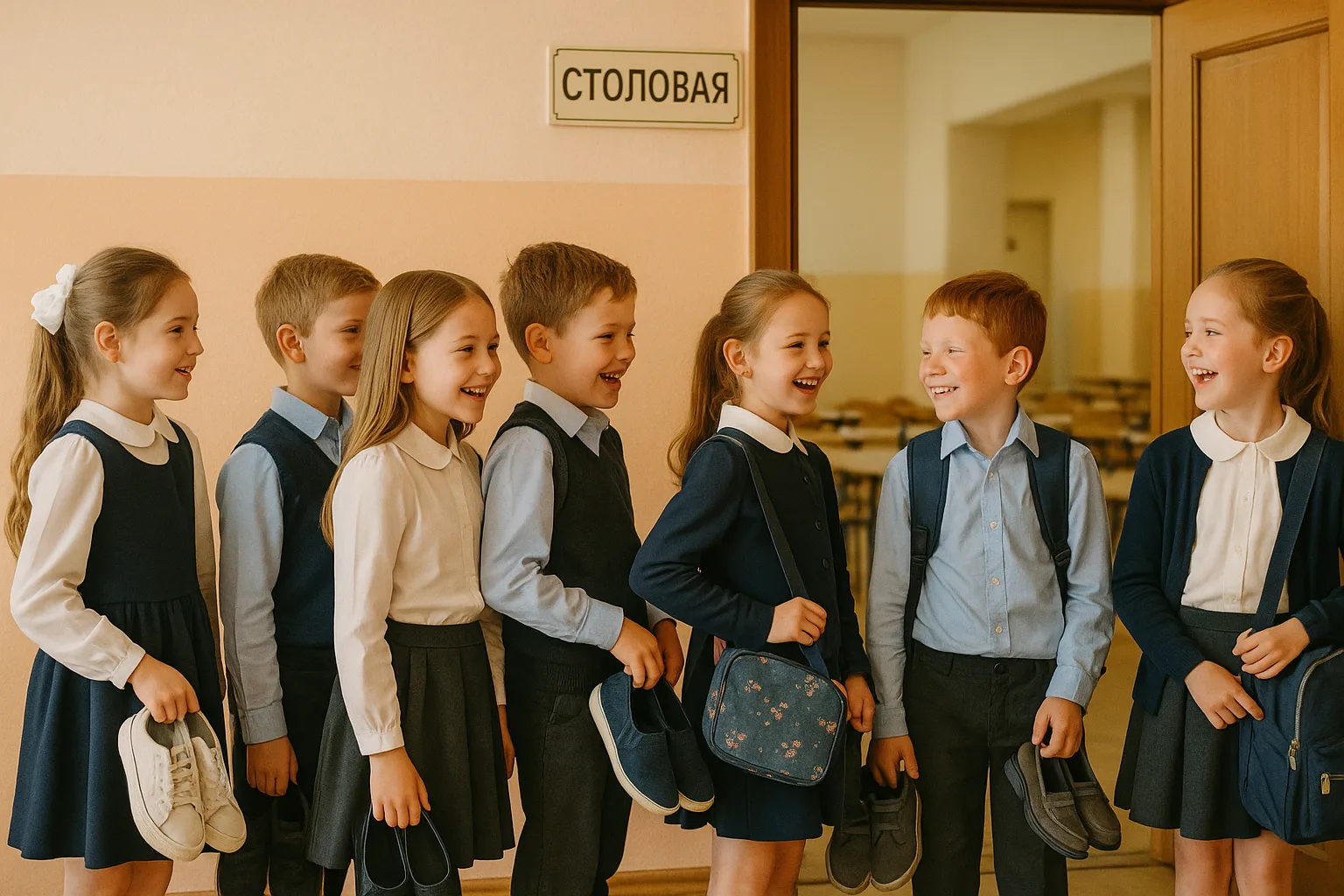
Moscow’s schools combine deep academic traditions with fast-moving innovations. From neighborhood “obshchaya shkola” and specialized lyceums to gymnasiums and private institutions, the city’s education landscape supports rigorous academics, rich extracurricular life, and growing emphasis on inclusion and modern pedagogy. This article outlines how parents, teachers, and school leaders can work together to develop well-rounded, resilient students in the Moscow context.
Modern teaching practices shaping classrooms
Moscow schools are increasingly adopting evidence-based, student-centered approaches:
— *Blended and flipped learning*: in-class problem solving combined with digital homework through platforms such as Российская электронная школа (RES) and local e-journals.
— *Project-based learning (PBL)*: interdisciplinary projects connected to real-life problems—often in partnership with museums, tech hubs, or universities.
— *Competency-focused assessment*: moving beyond rote recall to evaluate critical thinking, collaboration, and communication.
— *Educational technologies*: interactive whiteboards, learning-management systems, and educational apps augment lessons; distance-learning experience from recent years has accelerated digital readiness.
— *Formative assessment and feedback*: regular low-stakes checks and personalized feedback replace one-time high-stakes tests as the sole measure of progress.
Inclusive education in Moscow — practical realities
Russia’s education policy supports inclusive schooling, and Moscow has several mechanisms to implement it:
— *Resource support*: many schools use resource rooms, itinerant specialists, and multidisciplinary teams (psychologists, speech therapists, special educators) to adapt learning.
— *Individualized learning plans*: tailored accommodations and curricula modifications for students with special educational needs.
— *Assistive technologies and adaptations*: visual, auditory, and mobility supports—plus differentiated instructional materials.
— *Community partnerships*: municipal resource centers, NGOs, and rehabilitation services often collaborate with schools to provide training and therapy.
Tips for schools and parents:
— Build an Individual Education Plan (IEP) early and review it regularly.
— Ensure open, documented communication between specialists, teachers, and parents.
— Foster peer-support programs and anti-bullying initiatives to strengthen social inclusion.
Parent–teacher interaction: stronger together
Effective parent–teacher collaboration is central to student success:
— Regular parent–teacher conferences and interim updates via platforms like Дневник.ру or school-specific e-journals.
— Clear channels for quick questions (email, school messengers) and for deeper discussions (scheduled meetings).
— Parent committees and volunteer programs help bridge school resources and family needs.
— Constructive communication tips:
— Focus on specific observations and shared goals.
— Celebrate strengths before addressing challenges.
— Ask about concrete strategies to support learning at home.
Extracurriculars that enrich Moscow childhoods
Moscow offers a wealth of after-school options that complement schoolwork and broaden horizons:
— Creative arts: theatre studios, music schools, and visual arts classes—often in collaboration with city theatres and galleries (e.g., Tretyakov, Moscow Art Theatre).
— STEM clubs: robotics, coding, math circles and science clubs with ties to universities and technology centers.
— Sports and physical activity: football, gymnastics, ice skating, and martial arts supported by city sports schools.
— Civic and volunteer programs: community service projects, environmental initiatives in parks like Gorky Park.
— Educational excursions: regular trips to Planetarium, Polytechnic Museum, and historical sites strengthen contextual learning.
Advice for families:
— Balance depth and variety—encourage 1–2 sustained activities rather than many short-lived ones.
— Seek school-linked programs for easier coordination and better integration with curricula.
Student development and wellbeing
Holistic development is as important as academics:
— Emotional intelligence and social skills are being integrated into curricula through group work, mentoring, and school psychologists.
— Career guidance and early profiling: 9th and 11th grade students receive counseling about OGE/EGE pathways and vocational vs. university routes.
— Healthy routines: schools increasingly prioritize physical education, nutrition, and mental-health awareness.
Practical steps for educators:
— Include socio-emotional learning objectives in lesson planning.
— Train teachers to recognize signs of stress and refer students to counselors.
— Create safe spaces and peer-support groups within the school.
Actionable checklist for Moscow parents and teachers
— Schedule a first-term meeting to set mutual expectations and goals.
— Use digital platforms for timely communication and monitoring.
— Create or update Individual Education Plans when needed.
— Connect extracurricular choices to student interests and long-term goals.
— Encourage collaborative projects that link classroom learning with city resources (museums, tech centers, businesses).
— Advocate for teacher professional development in inclusive practices and digital pedagogy.
Conclusion
Moscow’s school ecosystem is evolving—anchored by rigorous academics and enriched by cultural resources and modern teaching methods. When parents, teachers, and community partners coordinate around inclusion, student-centered pedagogy, and holistic development, students gain the skills needed for both local success and global citizenship. Embrace collaboration, use the city’s rich cultural and technological assets, and keep the student’s wellbeing at the center of every decision.