Introduction
Moscow’s schools are at the intersection of long educational traditions and rapid modernization. From well-established neighbourhood schools to citywide digital initiatives and rich extracurricular ecosystems, the capital offers a diverse environment for student development. This article explores school life in Moscow with a focus on *education quality, parent–teacher interactions, extracurricular activities, inclusive education*, and *modern teaching practices* — and offers practical recommendations for parents, teachers and school leaders.
The Moscow context: what’s distinctive
— Strong municipal support: the Department of Education of Moscow (Департамент образования города Москвы) runs large-scale programmes, teacher training and resource distribution.
— Digital infrastructure: the Moscow Electronic School (Московская электронная школа, МЭШ) provides curriculum materials, e‑diary/journal systems and learning analytics used across the city.
— Rich cultural resources: museums, scientific centres, sports complexes and creative houses in Moscow regularly partner with schools for projects and excursions.
— Wide extracurricular network: municipal centres for children’s creativity, sports schools, language and robotics clubs offer diverse out-of-class experiences.
Modern teaching practices gaining ground
— Blended and flipped learning
— Teachers deliver core content online (MЭШ or LMS), freeing class time for discussion, practice and projects.
— Project-based and inquiry learning
— Interdisciplinary projects link literature, history, science and technology to real-world problems.
— Formative assessment and feedback
— Short formative checks, digital quizzes and learning analytics help tailor instruction and support growth.
— STEAM and digital literacy
— Robotics clubs, coding electives, and maker spaces build computational thinking alongside arts and design.
— Differentiated instruction and competency-based approaches
— Lessons are scaffolded to accommodate varied readiness levels and to focus on skills (communication, collaboration, critical thinking).
— Professional development
— Regular city-organised workshops and peer-learning communities help teachers adopt new methods and digital tools.
Inclusive education: principles and practices
— Policy and support
— Russian federal and municipal programmes encourage inclusion; Moscow schools increasingly have resource teachers and specialist services.
— Classroom strategies
— Universal Design for Learning (UDL)-inspired practices: multiple ways of presenting information, alternative ways to demonstrate learning, and varied engagement options.
— Individualised plans
— Create Individual Educational Plans (IEPs / ИОП) in collaboration with specialists, parents and the student.
— Assistive technologies
— Speech-to-text, screen readers, enlarged materials and visual schedules help learners with diverse needs.
— Peer support and social inclusion
— Buddy systems, cooperative projects and social skills groups build friendships and reduce stigma.
— Parent and specialist collaboration
— Regular meetings with psychologists, speech therapists and special educators ensure coordinated intervention.
Parent–teacher interactions: making the partnership effective
— Use digital communication intentionally
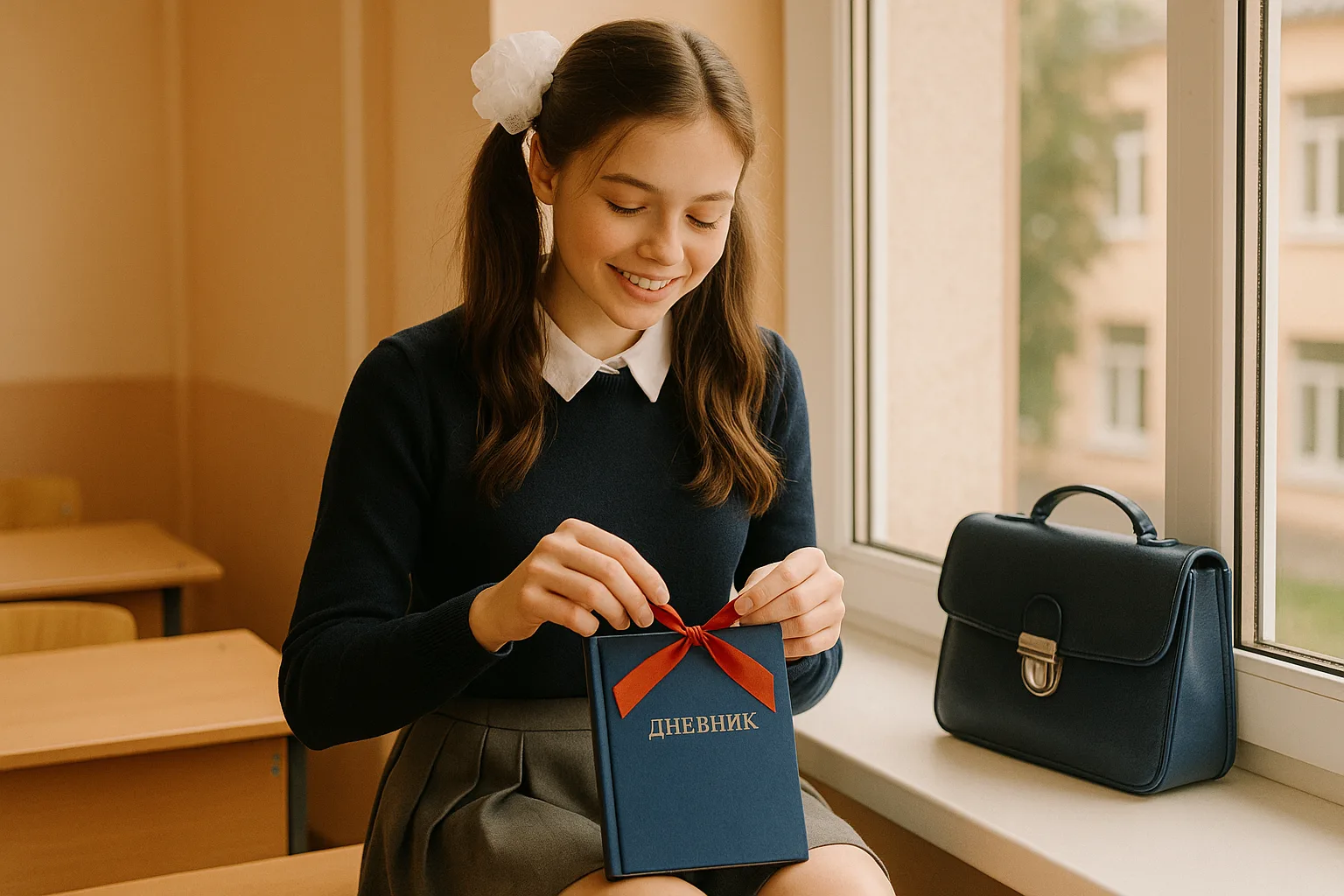
— Email, e-journals/ электронный дневник, and school platforms (МЭШ) for routine updates; reserve meetings for deeper discussions.
— Structure parent–teacher meetings for action
— Agenda, clear outcomes (next steps for the child), and a follow-up timeline.
— Build trust through transparency
— Share assessment results, goal progress and support strategies; invite parents to observe lessons or school events.
— Parent councils and volunteering
— Formal parent councils and informal volunteer groups help shape school life and extracurricular offerings.
— Practical tips for parents
— Focus on specific behaviours and learning goals rather than labels; ask for concrete classroom strategies to continue at home.
Extracurricular activities: breadth and impact
— Common offerings in Moscow
— Sports (football, gymnastics, martial arts), performing arts (theatre, music), STEM (robotics, programming), languages, and civic/volunteer clubs.
— Partnerships and venues
— Museums (e.g., Tretyakov, Polytechnic), cultural centres and municipal creativity centres host workshops and competitions.
— Benefits for students
— Enhanced motivation, social skills, leadership experience, and pathways to specialised study or competitions.
— Accessibility
— Municipal subsidies, after-school transport options and scholarship programmes can widen participation; schools should proactively identify and support students with fewer resources.
Student development: holistic goals
— Academic skills and competencies
— Mastery of core subjects plus digital literacy and problem-solving.
— Social-emotional learning (SEL)
— Programs for empathy, self-regulation and conflict resolution reduce bullying and improve classroom climate.
— Career and life guidance
— Early exposure to professions, mentorship and work‑based projects help students form realistic educational and career trajectories.
— Health and well‑being
— School counselling, physical education (including the national GTO fitness program) and nutrition initiatives support wellbeing.
— Civic engagement and identity
— Community service projects and local history programs reinforce responsible citizenship.
Practical recommendations for stakeholders
— For teachers and school leaders
— Integrate formative assessment and project-based learning gradually; partner with municipal training offers to scale good practices.
— Create inclusive classrooms by adopting UDL principles and maintaining close ties with resource specialists.
— For parents
— Use school digital tools to stay informed, attend structured meetings, and support extracurricular engagement aligned with your child’s interests.
— For policymakers and administrators
— Prioritise funding for inclusion specialists, extracurricular access for low-income families, and ongoing teacher development in digital pedagogy.
— For students
— Try activities outside your comfort zone, reflect regularly on learning goals