Introduction
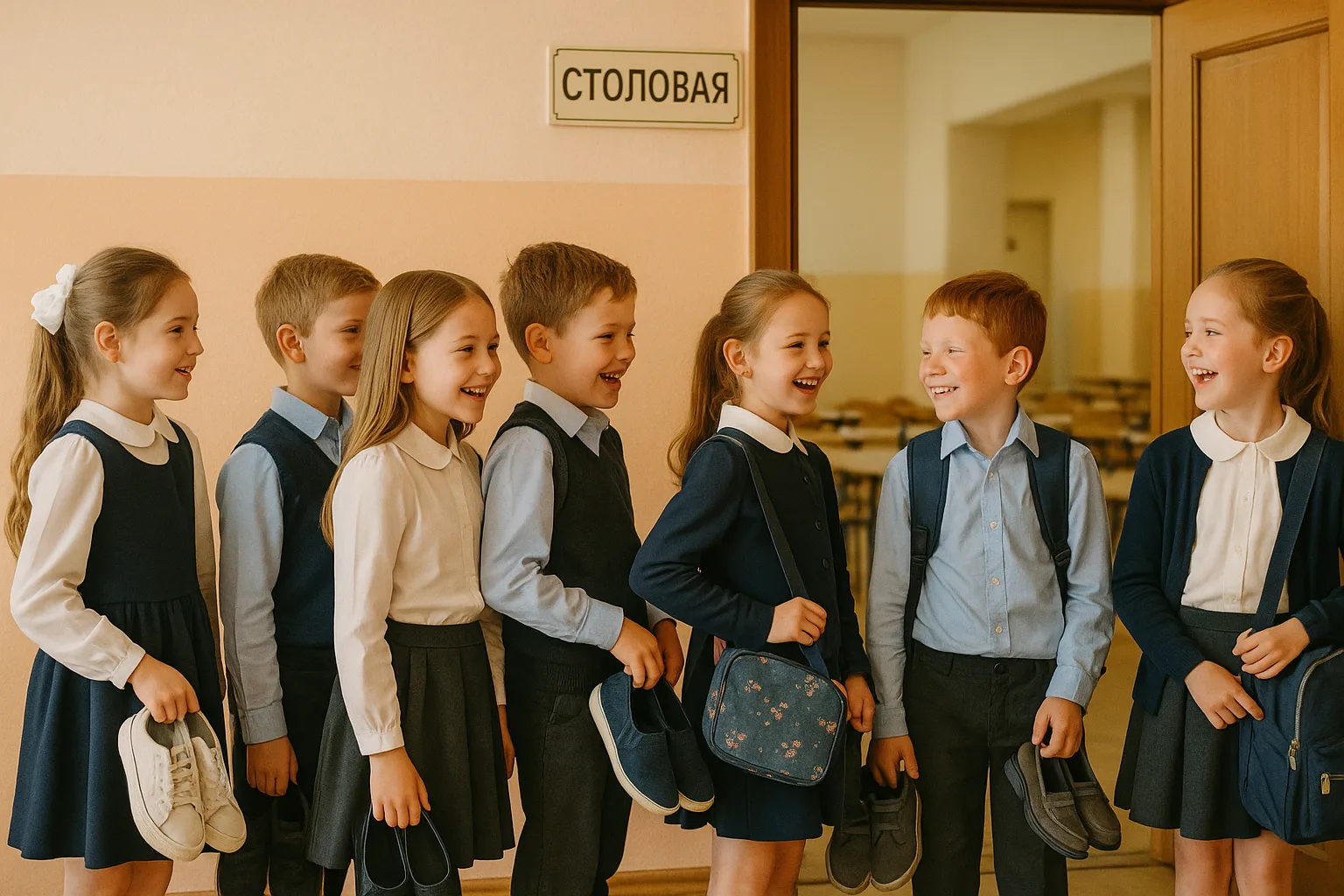
Moscow’s schools are lively ecosystems—rich in tradition, competitive in achievement, and diverse in opportunity. Balancing academic rigor with holistic student development requires strong collaboration between teachers, parents, and the city’s extracurricular infrastructure. This article outlines practical strategies for improving school life in Moscow through better parent–teacher interactions, broader extracurricular offerings, inclusive practice, and contemporary teaching methods.
The Moscow school landscape — what makes it unique
— Diverse school types: municipal schools, gymnasiums and lyceums, private schools, and specialized institutions focused on STEM, languages, or the arts.
— High expectations: emphasis on Olympiads, city competitions and university preparation.
— Strong extracurricular network: after‑school centers, cultural institutions (museums, theaters), sports clubs and educational technology hubs.
— Robust municipal support: city programs and resources that help schools offer a variety of activities and support services.
Strengthening parent–teacher partnerships
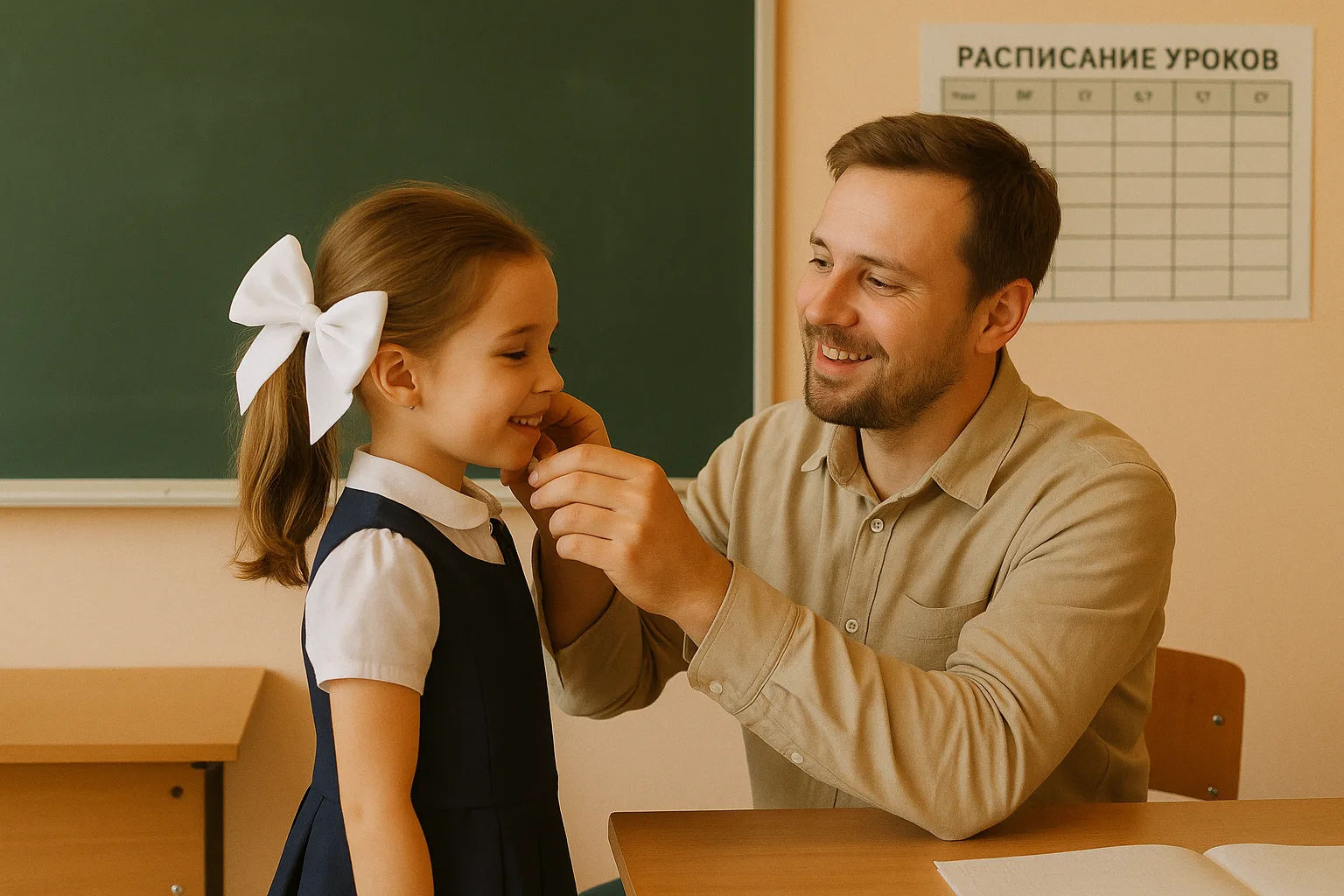
Good parent–teacher collaboration improves student outcomes and reduces conflicts. Aim for partnership, not just information exchange.
Practical steps:
— Establish clear, regular communication channels: weekly class updates, an *electronic gradebook / e-journal*, and a dedicated class chat with rules for respectful use.
— Standardize parent‑teacher meetings: circulate an agenda in advance; focus on objectives (academic progress, social behavior, extracurricular balance); finish with specific actions and deadlines.
— Use data constructively: share assessment results with practical next steps and resources (tutoring, school psychologist, after‑school clubs).
— Promote joint goal setting: involve parents in creating realistic academic and personal goals for each term.
— Encourage parental volunteering: library time, excursions, event support—structured roles reduce ambiguity and increase engagement.
Sample agenda for a parent–teacher meeting:
— Welcome and objectives (5 min)
— Academic progress overview with examples (15 min)
— Social and emotional development (10 min)
— Extracurricular involvement and time management (10 min)
— Individual student plans and actions (15 min)
— Q&A and next steps (5 min)
Enriching school life through extracurricular activities
Extracurriculars in Moscow can be academic, creative, athletic, or civic. The goal is balanced development.
Guidelines for selection:
— Prioritize interest and sustainability: choose activities the child enjoys and can attend consistently.
— Keep a balance: aim for 1–2 structured activities plus free play or family time.
— Leverage city resources: museum masterclasses, theater workshops, robotics clubs, and municipal sports complexes.
— Encourage civic engagement: volunteering projects, school parliament, and community initiatives to build responsibility and leadership.
How schools can support extracurricular breadth:
— Coordinate schedules with public transport and parents’ work hours.
— Share clear enrollment, cost, and expectations information early each term.
— Offer trial periods so students can discover interests without long-term commitment.
Fostering student development: academic and beyond
Student development is multi-dimensional: intellectual, emotional, social, and physical.
Key priorities:
— Critical thinking and problem solving: integrate project‑based learning and citywide competitions.
— Social-emotional learning (SEL): regular classroom routines that teach self‑regulation, empathy and conflict resolution.
— Career and university guidance: early exposure to professions, internships, and university information sessions.
— Leadership and agency: student councils, peer tutoring and mentoring programs build confidence.
— Health and wellbeing: ensure adequate physical activity, sleep hygiene guidance and counselor access.
Inclusive education in practice
Inclusive education is about access and belonging for every child, including those with special educational needs.
Best practices:
— Individualized Education Plans (IEPs): clear goals, measurable outcomes and regular review meetings involving parents and specialists.
— Resource teachers and psychologists: integrate them into daily school life rather than using them only for pull‑out sessions.
— Universal Design for Learning (UDL): adapt teaching with multiple formats, scaffolds and assessment options.
— Assistive technologies: text‑to‑speech, visual supports and adjusted testing conditions where needed.
— Peer inclusion programs: buddy systems, co‑creative projects and awareness workshops for students and parents.
Modern teaching practices that work in Moscow classrooms
Teachers in Moscow are increasingly blending traditional strengths with modern pedagogy.
Effective approaches:
— Blended learning: combine in-class instruction with digital resources and flipped‑classroom activities.
— Project-based learning (PBL): local projects connecting lessons to Moscow’s cultural and scientific institutions.
— Formative assessment: quick checks for understanding, feedback loops, and student self-assessment.
— STEAM integration: cross-disciplinary projects linking science, tech, arts and math to real-world problems.
— Differentiation: tiered tasks, flexible grouping and learning stations to meet diverse learners.
Practical teacher tips:
— Start lessons with a clear learning goal and end with a short reflective task.
— Use city resources—museums, science centers, tech parks—for authentic learning excursions.
— Share lesson materials in advance for students who need extra time or adaptation.
Practical checklist for parents and educators
For parents:
— Attend at least one parent–teacher conference per term.
— Keep home routines consistent: sleep, meals, and homework time.
— Monitor screen time and quality of digital content.
— Encourage at least one non‑academic extracurricular pursuit.
For teachers and school leaders:
— Publish a quarterly whole‑school calendar of events and extracurricular options.
— Train staff on inclusion, SEL and formative assessment methods.
— Create a simple feedback loop for parents (monthly digest, survey).
— Partner with local cultural and sports institutions for low‑cost programming.
Conclusion
Moscow’s schools have tremendous resources and community energy. When parents, teachers and city institutions collaborate—grounded in clear communication, inclusive practice and modern pedagogy—students receive a well-rounded education that prepares them not only for exams, but for meaningful lives. Small, consistent steps—regular meetings with clear agendas, thoughtfully chosen extracurriculars, and classroom practices that meet diverse needs—create a school culture where every child can thrive.
*For schools and parents: start with one change this term—improve communication, pilot a new extracurricular, or introduce a simple IEP review—and build from there.*