Introduction
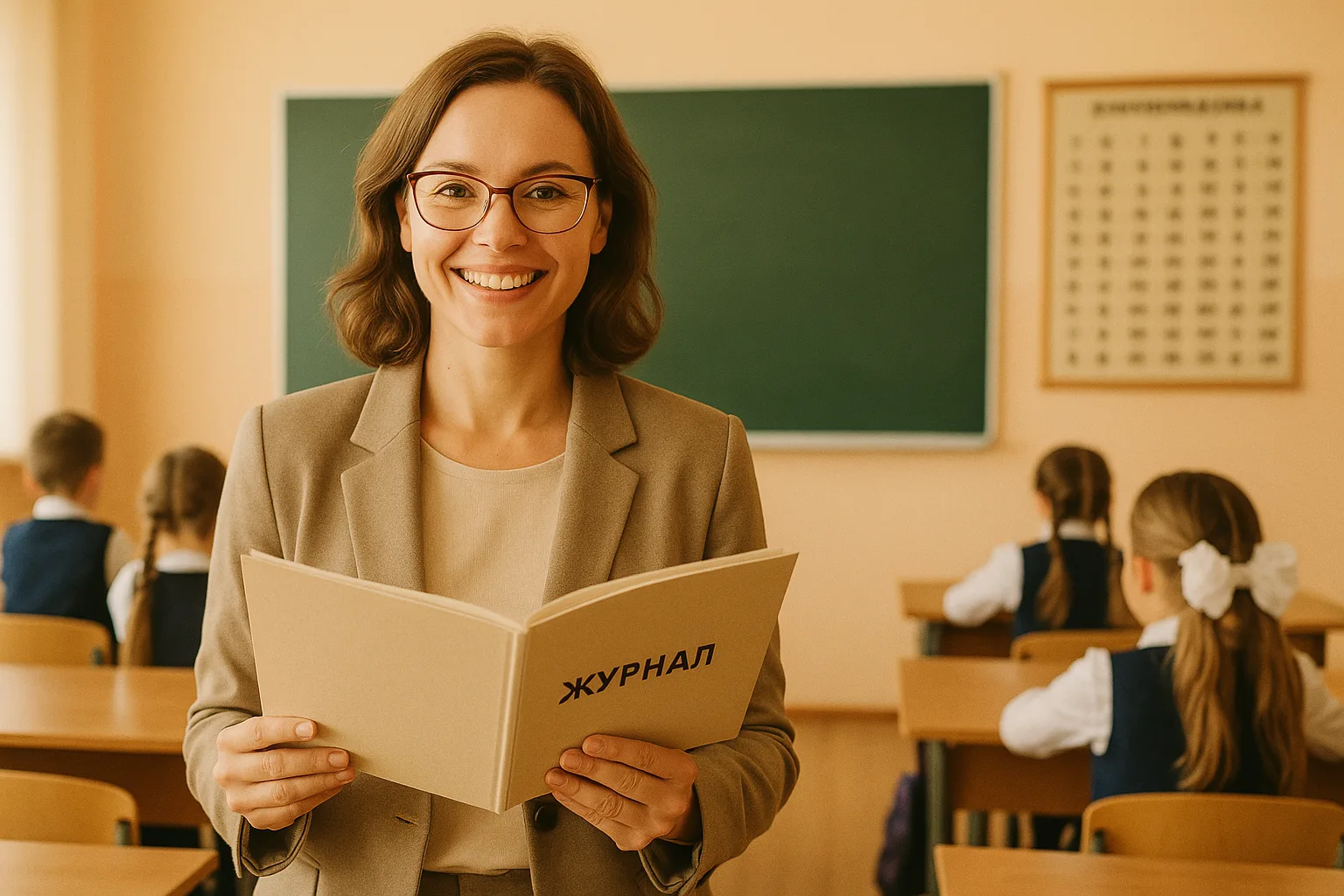
Moscow’s schools are more than buildings where children memorize facts — they are vibrant communities shaping curious, resilient citizens. In a city that blends deep academic traditions with rapid innovation, balancing classroom learning, extracurricular enrichment, and strong parent–teacher relationships is key to a child’s holistic development.
The Moscow school landscape today
— Wide network of state and private schools with diverse specializations (science, arts, sports, language immersion).
— Strong municipal support for extracurricular institutions and cultural partnerships with theatres, museums, and universities.
— Increasing adoption of digital tools (electronic diaries, online portals) and modern teaching methods in urban schools.
— Growing focus on inclusive education and individualized learning paths, though implementation varies across institutions.
Strengthening parent–teacher interactions
Effective collaboration between parents and teachers transforms challenges into growth opportunities.
Practical tips for parents:
— Come prepared: jot down observations, questions, and specific examples of progress or concern.
— Focus on solutions: ask “What can we try this month?” rather than only listing problems.
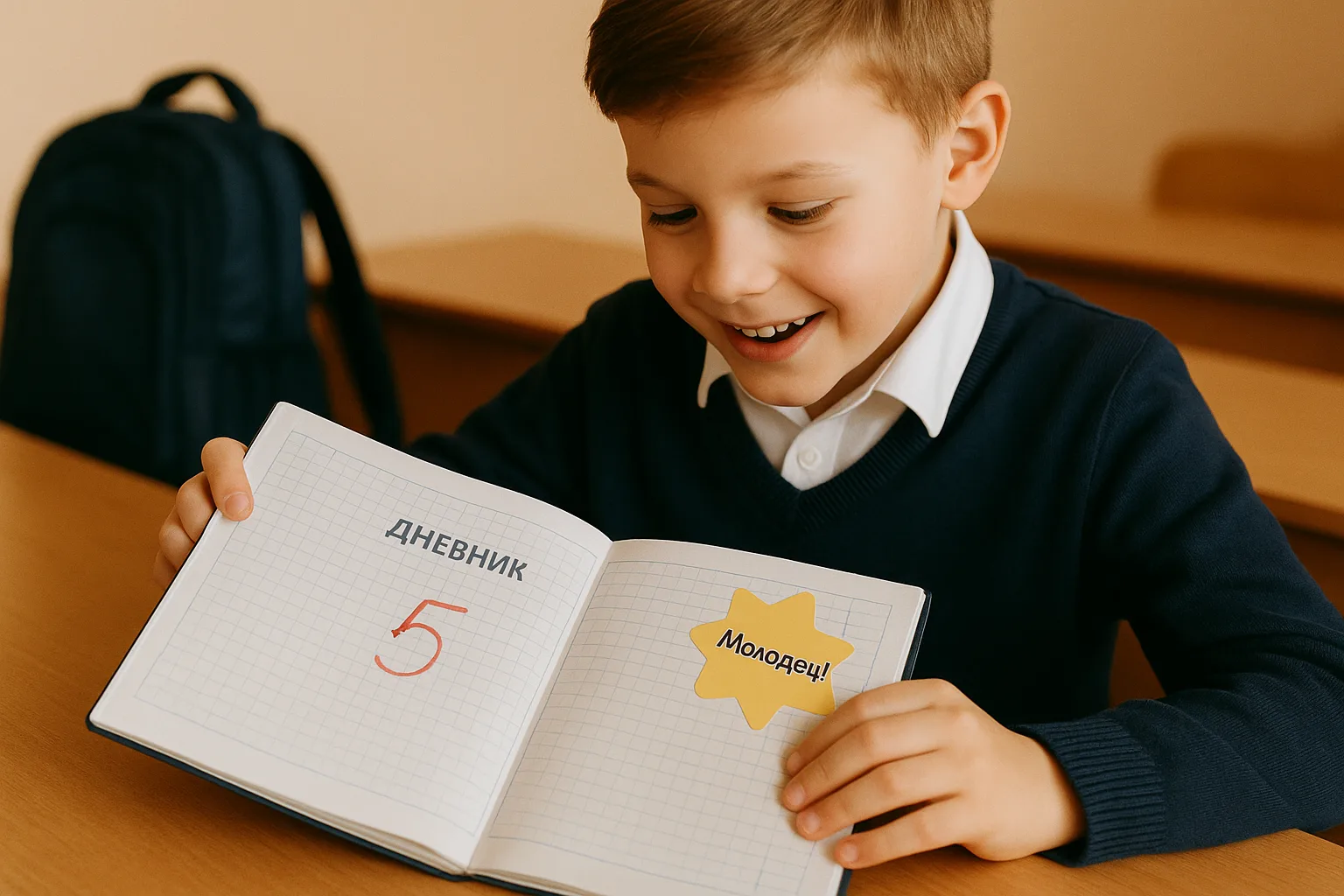
— Use school tech: regularly check the electronic diary/portal and message platforms for updates and homework.
— Celebrate small wins: acknowledge improvements in behavior or effort to reinforce positive change.
Guidance for teachers:
— Share clear expectations early in the year and keep communication regular and concise.
— Offer concrete strategies parents can use at home (study routines, behavioral cues, reading time).
— Invite parents into the classroom through open lessons or volunteer roles to build trust.
— Keep language accessible and culturally sensitive; make interpreters or translated materials available if needed.
Extracurricular activities that shape future-ready students
Moscow offers rich options that complement academic learning.
Popular and high-impact activities:
— STEM clubs and robotics — foster problem-solving and teamwork.
— Music, theatre, and visual arts — build creativity and confidence.
— Chess and debate — strengthen strategic thinking and public speaking.
— Sports and movement programs — support physical health and discipline.
— Community projects and volunteering — cultivate empathy and civic responsibility.
How to choose:
— Match activities to a child’s interests, not only to perceived prestige.
— Balance intensity and rest; variety is healthy for younger students.
— Encourage cross-disciplinary clubs to build transferable skills.
Student development: academic, social-emotional, and life skills
Modern education is about more than test scores.
Key areas of focus:
— Metacognition: teach students to plan, monitor, and evaluate their own learning.
— Social-emotional learning (SEL): integrate teamwork, conflict resolution, and emotional literacy into daily routines.
— Executive function: develop time management, organization, and sustained attention.
— Career and civic readiness: expose students to real-world problems and local institutions (museums, research labs, businesses).
Practical classroom moves:
— Project-based learning tied to Moscow’s cultural and civic context.
— Portfolios to document growth over time.
— Regular reflection sessions for students to set goals and celebrate progress.
Inclusive education in practice
Inclusivity strengthens every classroom.
Principles to implement:
— Universal Design for Learning (UDL): flexible materials and multiple access points for all learners.
— Individualized support: accommodations, assistive technologies, and specialist collaboration where needed.
— Universal social inclusion: peer mentoring and cooperative assignments that value diverse strengths.
— Family-centered planning: involve parents and specialists in creating realistic, measurable goals.
Examples of school supports:
— Sensory-friendly corners, accessible physical infrastructure, and differentiated assessment methods.
— Partnerships with local rehab centers and psychologists for training and student support.
Modern teaching practices gaining traction in Moscow
— Blended and flipped classrooms: students access content online and apply knowledge through in-class activities.
— STEAM integration: connecting science, technology, engineering, arts, and math in interdisciplinary projects.
— Formative assessment and data-driven feedback: short, regular checks to guide instruction.
— Collaborative teacher communities: cross-school workshops and partnerships with universities keep practice current.
— Educational tech: interactive whiteboards, learning platforms, and simulations — used with a focus on pedagogy, not novelty.
Practical steps for schools and families
For schools:
— Create clear communication channels and regular events for parent engagement.
— Invest in teacher training on inclusive methods and formative assessment.
— Build local partnerships with cultural institutions and universities for richer learning.
For families:
— Attend parent–teacher meetings with specific goals and follow up in writing.
— Support extracurricular exploration without over-scheduling.
— Advocate respectfully for inclusive practices when a student needs extra support.
Conclusion
Moscow’s educational ecosystem has the ingredients for powerful, modern learning: committed educators, cultural richness, and growing innovation. When parents and teachers partner intentionally — and when schools prioritize inclusion and active, skills-based learning — students thrive academically, socially, and emotionally. Start small: pick one communication habit to improve this month, or try a new extracurricular that sparks curiosity — and watch the ripple effects across the school year.
For parents and educators ready to act: schedule a focused conversation this week, set one measurable goal for the next month, and celebrate progress together.