Introduction
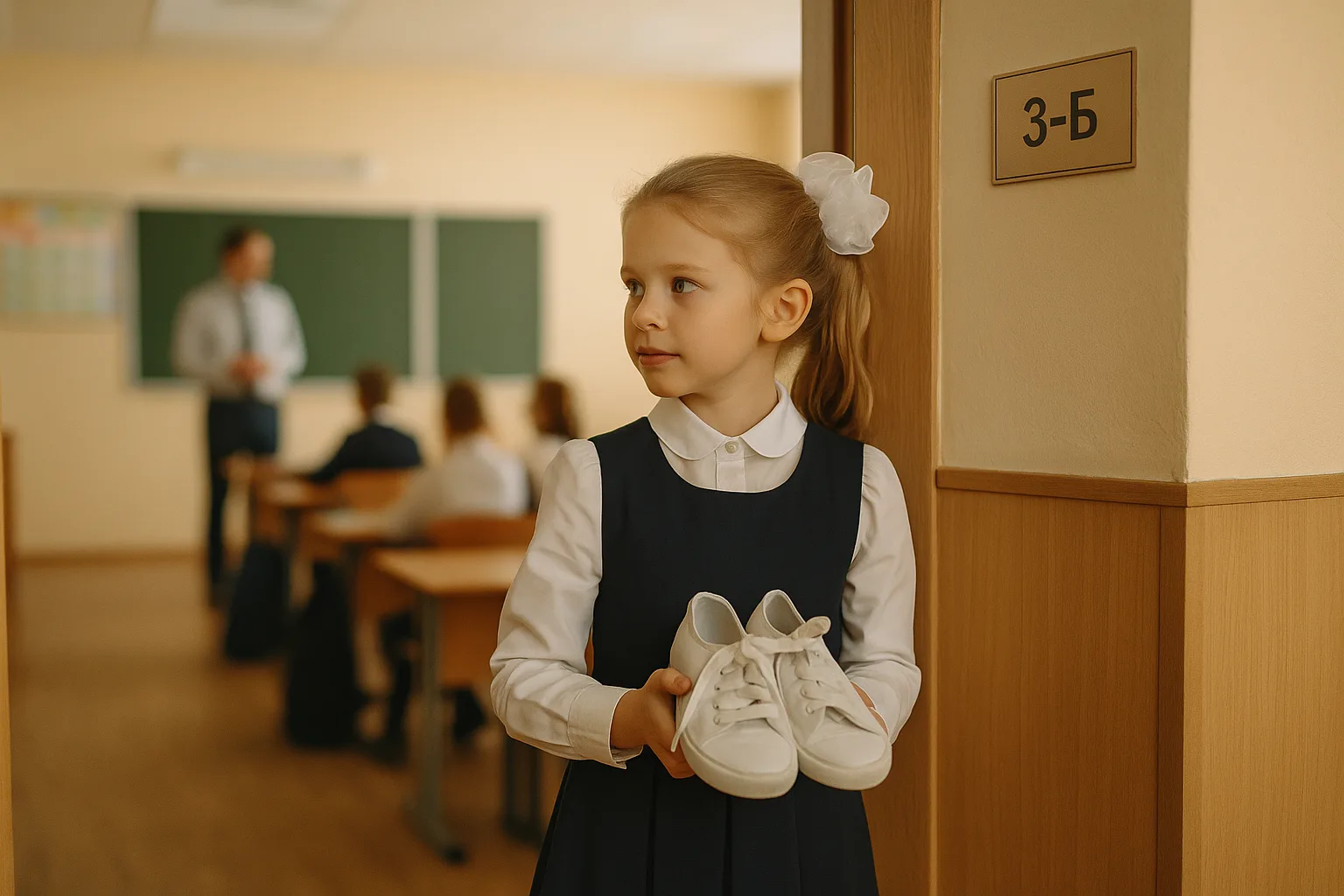
Moscow’s schools are a dynamic blend of long-standing academic traditions and rapid educational innovation. From bustling city gymnasiums and specialized lyceums to neighborhood schools and supplemental education centers, the capital offers rich opportunities for student growth. This article explores everyday school life in Moscow, how parents and teachers collaborate, the role of extracurriculars, inclusive practices, and modern teaching approaches shaping young people today.
The Moscow school landscape — a quick overview
— Diverse institutions: municipal schools, gymnasiums, lyceums, private schools and international programs.
— City support: initiatives and digital services promoted by the Moscow Department of Education (e.g., Московская электронная школа / МЭШ).
— Strong cultural ecosystem: museums, theaters and science centers in the city provide frequent partnerships and project opportunities for students.
Everyday school life in Moscow
— Typical rhythms: formal lessons in the core subjects (Russian language, mathematics, sciences, social studies), followed by electives and after-school activities.
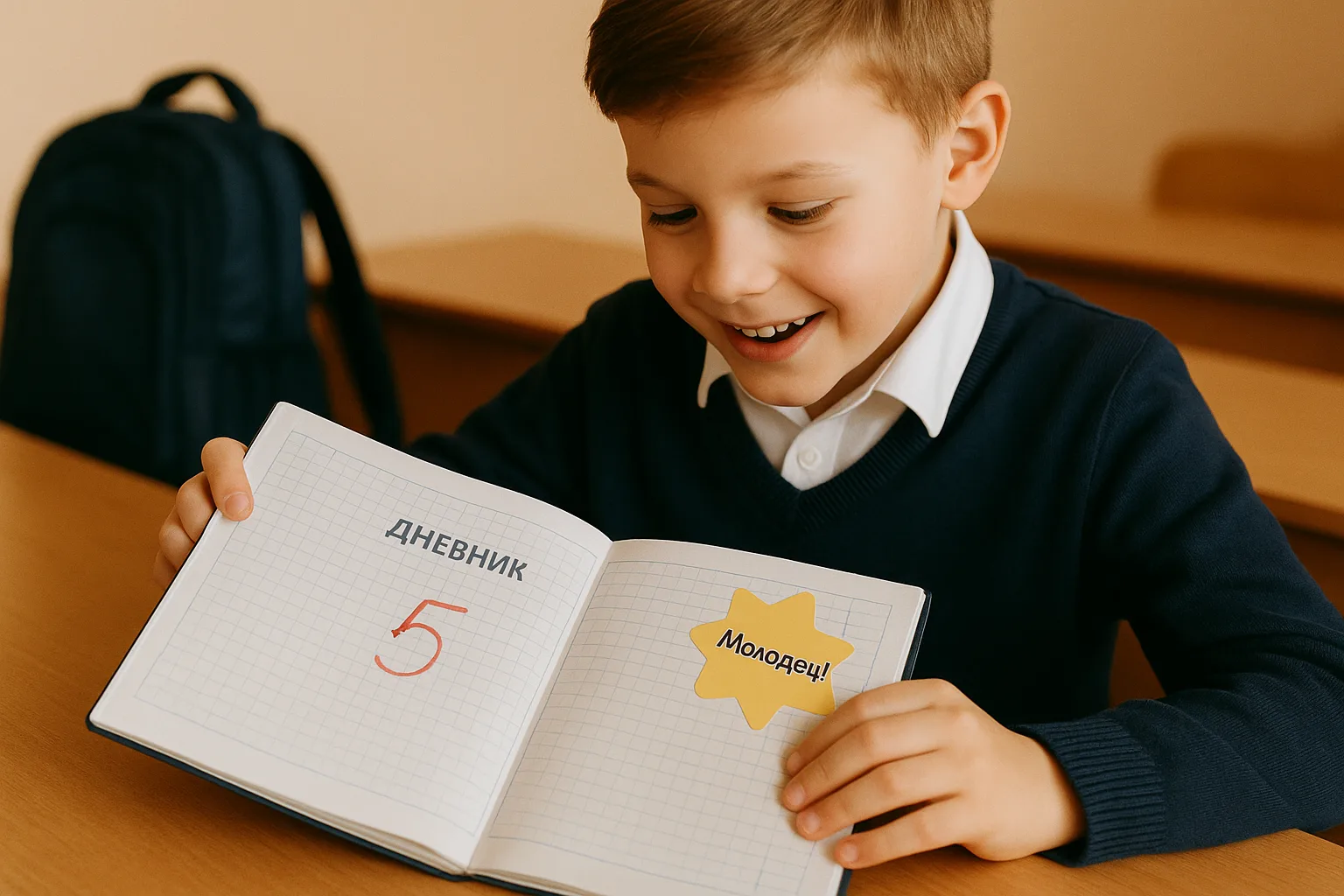
— Hybrid schedules: many schools use blended learning models and digital diaries/homework platforms to coordinate lessons and track progress.
— Facilities: from modern STEM classrooms and language labs in some lyceums to older but community-anchored neighborhood schools — quality and equipment vary, with continual municipal investments to upgrade learning environments.
Parent–teacher interactions: partnership in practice
— Regular communication channels:
— Parent–teacher conferences and scheduled meetings.
— Digital platforms (e.g., Московская электронная школа, Дневник.ру and other school portals) for grades, attendance and homework.
— WhatsApp/Telegram groups and official school email for day-to-day updates.
— Productive collaboration tips:
— Prepare specific questions before meetings; request examples of student work.
— Focus on strengths as well as areas for growth — share home observations that may affect learning.
— Agree on clear, measurable next steps and a timeline for follow-up.
— Community roles: parental committees and volunteers help organize events, support extracurriculars and advocate for school improvements.
Extracurricular activities — beyond the classroom
— Wide range: sports clubs, music and arts studios, robotics and coding clubs, science circles, language workshops, and civic or environmental volunteer projects.
— City resources: Moscow’s additional education centers, cultural institutions (museums, theaters), and specialized hubs (tech parks and youth innovation centers) frequently host or sponsor programs.
— Value for students:
— Develops soft skills (teamwork, leadership, time management).
— Offers pathways to competitions, portfolios and further education choices.
— Helps discover passions and potential career directions.
Student development: holistic and future-oriented
— Emphasis on competencies: critical thinking, communication, creativity and digital literacy alongside academic mastery.
— Career guidance: school counselors and city programs connect older students with internships, university previews and vocational options.
— Social-emotional skills: many Moscow schools integrate social-emotional learning, mentoring schemes and peer support to foster resilience.
Inclusive education in Moscow schools
— Principles in practice:
— Individualized support: resource rooms, speech therapists, psychologists and specialized educators are increasingly available in many schools.
— Physical accessibility: municipal accessibility programs and school upgrades aim to improve entryways, ramps and adaptive facilities.
— Language and cultural inclusion: support for students learning Russian as a second language and attention to diverse family backgrounds.
— Practical supports parents can seek:
— Consult the school’s inclusion coordinator or psychologist.
— Ask about an individualized education plan (IEP) or tailored classroom accommodations.
— Connect with municipal resource centers and parent advocacy groups for specialized services.
Modern teaching practices shaping classrooms
— Blended and flipped learning: homework and preparatory materials accessed online so class time focuses on collaboration and problem-solving.
— Project- and competency-based learning: students work on interdisciplinary projects tied to real-world challenges, often partnering with local institutions.
— Formative assessment: ongoing feedback replaces sole reliance on end-of-term exams in many settings.
— STEAM approaches: integrated science, technology, engineering, arts and math initiatives to encourage creativity alongside technical skills.
— Professional development: teachers participate in city-run workshops, peer networks and digital training to adopt new methods.
Practical tips — for parents, teachers and school leaders
— For parents:
— Stay engaged digitally (school portals) and physically (events, volunteer opportunities).
— Encourage extracurricular exploration and balance screen time with offline activities.
— Partner with teachers: set small, achievable goals and celebrate progress.
— For teachers:
— Use mixed instructional formats and formative checks to meet diverse learners.
— Keep communication regular and solution-focused with families.
— Leverage local partnerships (museums, tech centers) to enrich learning.
— For school leaders:
— Prioritize inclusive infrastructure and staff training.
— Foster a culture of innovation while preserving community ties.
— Track outcomes broadly — academic, social-emotional and extracurricular engagement.
Local examples and opportunities to explore
— Digital learning: Московская электронная школа (MЭШ) content and digital diaries connecting families and teachers.
— Cultural partners: collaborations with major Moscow museums and theaters for curriculum-linked excursions and projects.
— Youth innovation: city-supported centers and clubs offering robotics, coding and science projects for motivated students.
Conclusion
Moscow’s education scene combines rich traditions with forward-looking practices. When parents, teachers and institutions collaborate — using modern tools, inclusive approaches and vibrant extracurricular programs — students benefit academically, socially and personally. Whether you’re a parent navigating school choices, a teacher experimenting with new methods, or a school leader planning the next step, the city offers resources and partnerships to help every child thrive.
— Want help drafting a parent–teacher meeting agenda, planning an inclusive after‑school club, or promoting