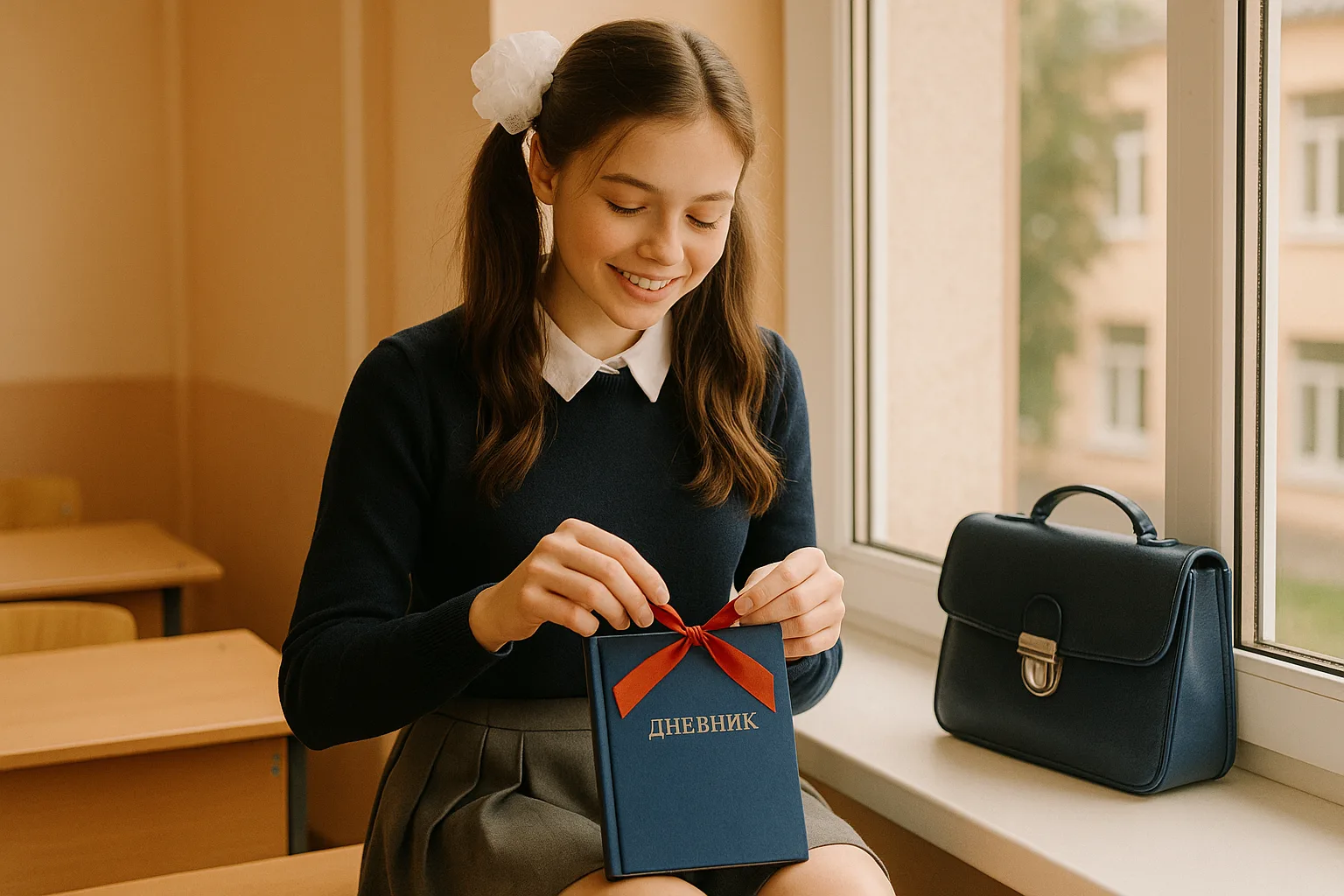
Growing Together in Moscow Schools: Modern Teaching, Inclusive Classrooms, and Stronger Parent–Teacher Partnerships
Education in Moscow is evolving rapidly: classrooms increasingly combine traditional rigor with modern teaching practices, extracurricular richness, and growing attention to inclusion and student well‑being. This article outlines the current landscape and offers practical strategies for parents, teachers, students, and school leaders to make the most of school life in the capital.
The Moscow school environment — what’s changing now
— Emphasis on competency‑based outcomes under national standards that encourage critical thinking and practical skills.
— Widespread adoption of digital platforms (for example, the Moscow Electronic School) to track learning, share assignments, and support remote or blended instruction.
— Expansion of extracurricular networks: municipal cultural institutions, sports clubs, robotics and STEM centers collaborate closely with schools.
— Growing inclusion initiatives: many schools are developing individualized approaches and cooperating with resource centers to support learners with diverse needs.
Modern teaching practices shaping classrooms
— Project‑based learning: interdisciplinary projects that connect lessons to real-life problems, often culminating in presentations or community work.
— Blended and flipped classrooms: students study content on digital platforms, using class time for discussion, practice, and teacher support.
— Differentiated instruction: tailoring tasks by readiness and learning style to keep every student challenged.
— Formative assessment and feedback loops: frequent low‑stakes checks that help teachers adjust instruction in real time.
— Social‑emotional learning (SEL): explicit lessons on teamwork, self‑regulation, and communication are increasingly part of curricula.
Inclusive education in practice
— Universal design for learning (UDL) principles: materials and tasks offered in multiple formats so more students can access them.
— Individualized educational plans: targeted support and adaptations (extra time, assistive tech, tailored tasks) for students who need them.
— Collaboration with specialists: speech therapists, psychologists, and special educators working alongside classroom teachers.
— Peer support and mentoring: buddy systems and cooperative projects that normalize diversity and build community.
Extracurricular life — beyond the classroom
Popular activities in Moscow schools and nearby institutions:
— Sports: football, ice hockey, gymnastics, martial arts.
— Arts: choral and instrumental music, theatre, visual arts, dance (including ballet).
— STEM: robotics clubs, coding groups, math circles, science competitions.
— Languages and cultural clubs: debate, literature, history, and foreign language conversation groups.
— Volunteer and civic projects: environmental initiatives, charity drives, civic education.
Benefits:
— Soft‑skill development (communication, leadership, resilience).
— Pathways to specialized education and competitions.
— Stronger ties between school, family, and community institutions (museums, cultural centers, sports schools).
Parent–teacher interaction: making it constructive
Principles for effective partnership:
— Regular, respectful communication: use digital platforms for updates and schedule face‑to‑face meetings for deeper conversations.
— Shared goals: focus on the child’s growth and well‑being, not only grades.
— Solution‑oriented mindset: bring observations plus possible strategies or questions rather than complaints alone.
— Consistency: follow up on agreed actions and keep records of meetings and plans.
Practical tips for parents:
— Prepare for meetings: note observations, examples of strengths and challenges, and ask for specific, actionable recommendations.
— Use the Moscow Electronic School and school diaries to monitor progress and homework, but discuss patterns rather than isolated grades.
— Encourage extracurricular exploration — try several activities to find genuine interests.
— Support routines at home: sleep, nutrition, homework times, and screen limits.
Practical tips for teachers:
— Share clear rubrics and criteria so parents understand assessment methods.
— Offer brief, actionable advice at meetings (e.g., three ways parents can help at home).
— Build parent workshops on study skills, digital safety, and SEL to create a shared language.
— Invite parents into the learning process through volunteer roles or showcasing student projects.
Sample quick agenda for a parent–teacher meeting:
— Welcome and purpose (2 min)
— Student strengths and progress (5 min)
— Specific areas for growth with examples (5 min)
— Agreed actions for school and home (5 min)
— Follow‑up plan and next meeting date (3 min)
Supporting student development and wellbeing
— Balance academic rigor with activities that foster curiosity and mental health.
— Teach meta‑skills: goal setting, time management, and reflection.
— Create safe spaces: peer support groups, counselling access, confidential reporting procedures.
— Offer career guidance early: exposure to professions, internships, and vocational options, especially through city programs and partnerships.
For school leaders — creating a thriving school culture
— Foster continuous professional development focused on modern pedagogy, digital literacy, and inclusive strategies.
— Encourage cross‑school collaborations: share best practices with other Moscow schools and municipal centers.
— Invest in infrastructure: accessible classrooms, assistive technologies, reliable digital platforms.
— Engage families as partners through transparent policies, regular events, and multilingual communications where relevant.
Quick checklist for families navigating Moscow schools
— Register and learn to use the school’s digital platform.
— Attend at least one parent meeting per term and keep brief notes of outcomes.
— Encourage at least one extracurricular activity that is not purely academic.
— Monitor stress and sleep — seek school counsellor support early if concerns arise.
— Ask for and review individualized support plans if your child needs accommodations.
Final thoughts
Moscow’s schools today blend rich academic traditions with modern practices that prioritize competence, inclusion, and holistic development. When teachers, parents, students, and community institutions work together—communicating clearly, focusing on growth, and trying new approaches—schools become places where every child can flourish academically and personally.
If you’d like, I can draft a parent‑teacher meeting template tailored to primary or secondary school, or a one-page guide to inclusive classroom strategies for Moscow teachers. Which would help you most?