Introduction
Moscow’s schools are vibrant ecosystems where academic rigor meets cultural richness. From historic gymnasiums to innovative lyceums, the city balances tradition and modernization to support student development. This article explores how school life in Moscow is shaped by parent–teacher collaboration, extracurricular opportunities, inclusive education, and modern teaching practices—and offers practical steps for families and educators to make the most of them.
The rhythm of school life in Moscow
— Schools in Moscow follow a structured academic calendar with strong emphasis on core subjects—Russian language, mathematics, literature, and sciences—while also offering foreign languages, arts, and physical education.
— *Gymnasiums and lyceums* offer academically intensive tracks; comprehensive schools provide broad opportunities; specialized schools focus on arts, sports, or STEM.
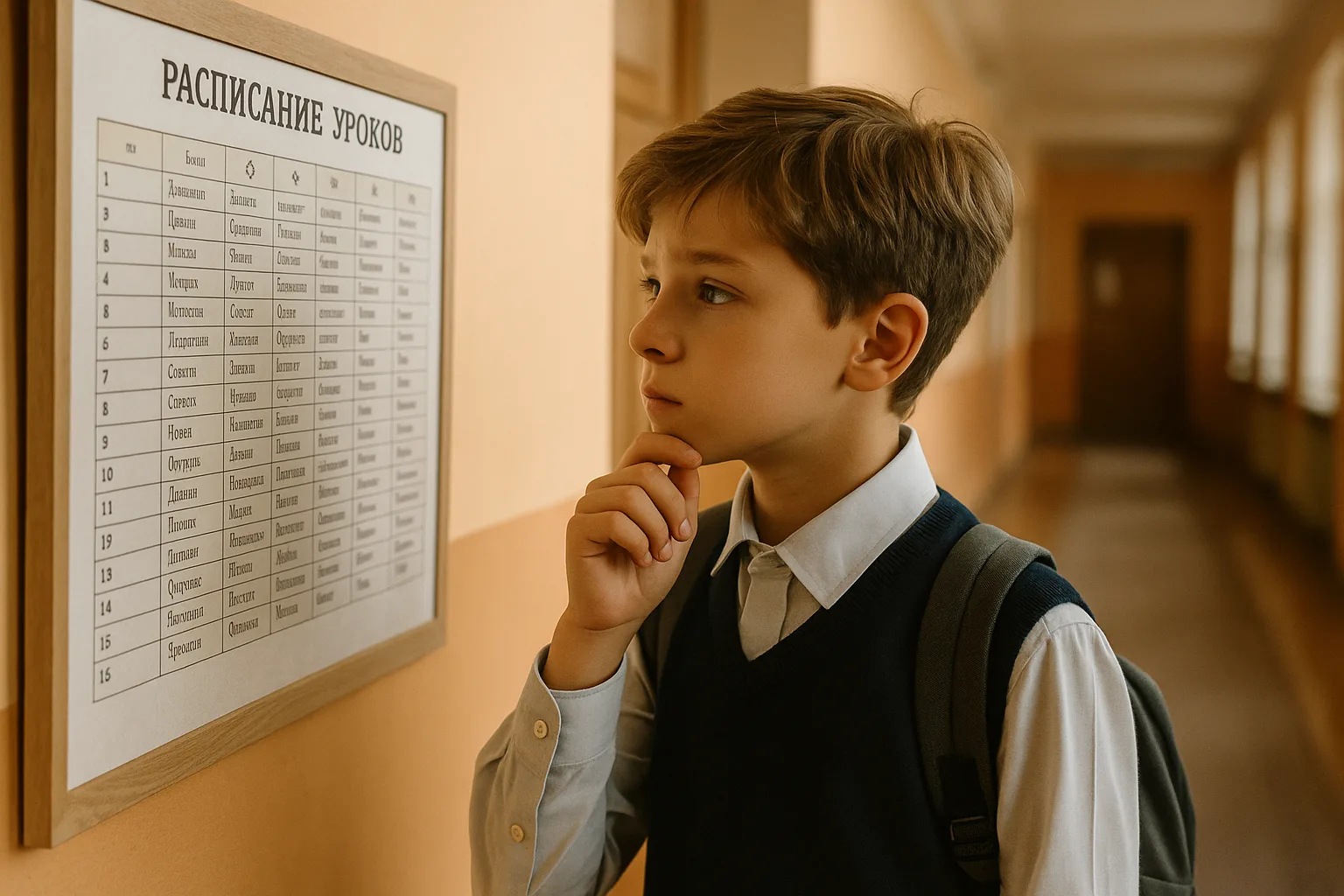
— Digital platforms such as the Moscow Electronic School (Московская электронная школа, MES) and online gradebooks help parents stay informed about schedules, assignments, and progress.
Parent–teacher interactions: partnership as a norm
Effective learning in Moscow increasingly relies on proactive parent–teacher cooperation:
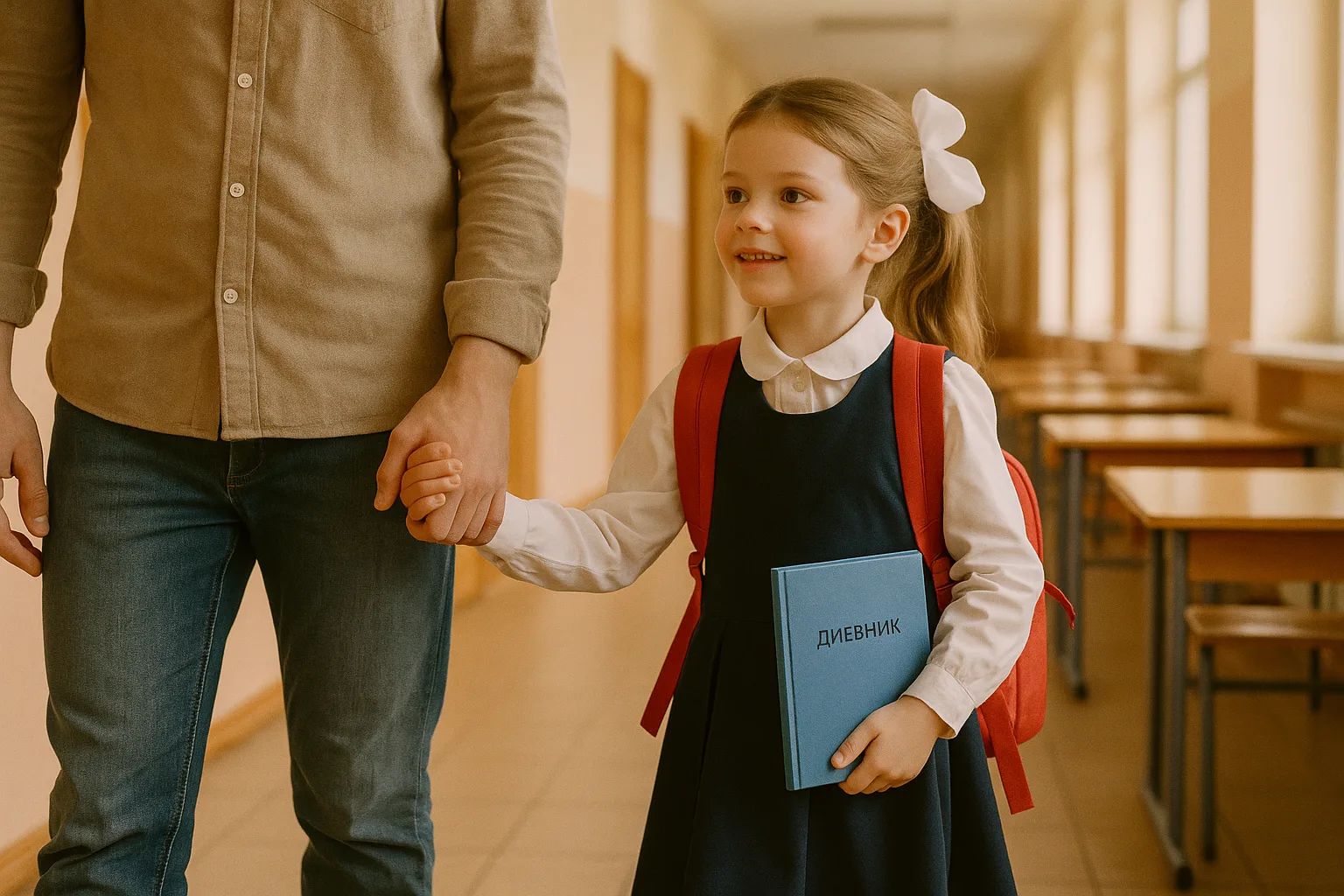
— Regular parent–teacher conferences and open lessons give families insight into classroom life and pedagogical approaches.
— Many schools have active parent committees (родительский комитет) that organize events, volunteer support, and communication flows.
— Digital communication—via MES, school websites, and messaging apps—makes everyday coordination smoother and quicker.
— Best practice: approach interactions with curiosity and partnership—ask about learning goals, classroom routines, and concrete ways to support learning at home.
Extracurricular activities: expanding horizons beyond the classroom
Moscow offers an exceptional extracurricular landscape that complements formal education:
— Cultural institutions (museums, theaters, conservatories) frequently partner with schools for projects and workshops.
— After-school programs include robotics and coding clubs, language workshops, debate teams, theatre studios, and a strong sports culture (football, hockey, gymnastics).
— City-run centers and palaces of creativity provide affordable access to arts and technical clubs, fostering talent regardless of background.
— These activities build teamwork, resilience, creativity, and practical skills that are highly valued in higher education and the labor market.
Student development: academic skills and soft skills together
Modern education in Moscow seeks balanced growth:
— Academic preparation (especially for the ОГЭ and ЕГЭ exams) remains a focus, but schools increasingly emphasize *critical thinking, communication,* and *project management*.
— Student-driven projects, competitions (subject Olympiads), and research activities encourage independent inquiry and motivation.
— Emotional and social development is supported via mentorship, counseling services, and class discussions that build interpersonal skills.
Inclusive education: access and support for every learner
Moscow has been developing frameworks to make schools more inclusive:
— Many schools incorporate differentiated instruction, individualized learning plans, and assistive technologies to meet diverse needs.
— Interdisciplinary teams—teachers, psychologists, speech therapists—help design appropriate support through municipal resource centers.
— Extracurricular and social programs are adapted to ensure participation and equitable access.
— Practical approach for schools: early identification, collaboration with specialists, and ongoing family involvement create the strongest outcomes.
Modern teaching practices shaping classrooms
Contemporary pedagogies in Moscow classrooms blend research-driven methods with digital tools:
— Project-based learning and interdisciplinary modules connect theory to real-world contexts.
— Flipped classrooms and blended learning use online materials (MES resources, recorded lessons) to free class time for active engagement.
— Formative assessment—regular feedback, portfolios, and iterative tasks—helps teachers adjust instruction to students’ needs.
— STEAM initiatives (science, technology, engineering, arts, math) and maker spaces foster creativity and problem-solving.
Practical tips for parents and educators
For parents:
— Stay engaged: attend open lessons, follow MES updates, and join the parent committee if possible.
— Support routines: create study rhythms at home and encourage extracurricular balance.
— Advocate constructively: collaborate with teachers to design supports if your child needs accommodations.
For teachers and school leaders:
— Communicate expectations clearly and often; use digital platforms for transparency.
— Involve students in project choice to boost ownership and motivation.
— Build partnerships with cultural institutions and city programs to broaden learning opportunities.
Conclusion
Moscow’s educational landscape combines strong academic traditions with innovation and inclusivity. When schools, families, and city networks work in concert—leveraging digital tools, rich extracurricular offerings, and modern pedagogies—students gain not only knowledge but the skills and confidence to thrive. The most successful approach is collaborative, student-centered, and adaptive: a school life that prepares young Moscovites for local and global challenges while celebrating their unique strengths.