Shaping School Life in Moscow: Inclusive, Modern, and Collaborative Education for Every Student
Education in Moscow is evolving rapidly. From the cutting-edge digital tools of the Moscow Electronic School to the city’s long-standing tradition of extracurricular cultural and sports programs, Moscow’s schools are a microcosm of modern Russian urban life. To ensure every child thrives, educators, parents, and school leaders must align around inclusive practices, effective parent–teacher interactions, engaging extracurriculars, and modern teaching methods that develop not just knowledge but character and agency.
Modern teaching practices that work in Moscow classrooms
Moscow schools increasingly combine traditional strengths (rigor, depth) with modern pedagogies:
— Blended and digital learning
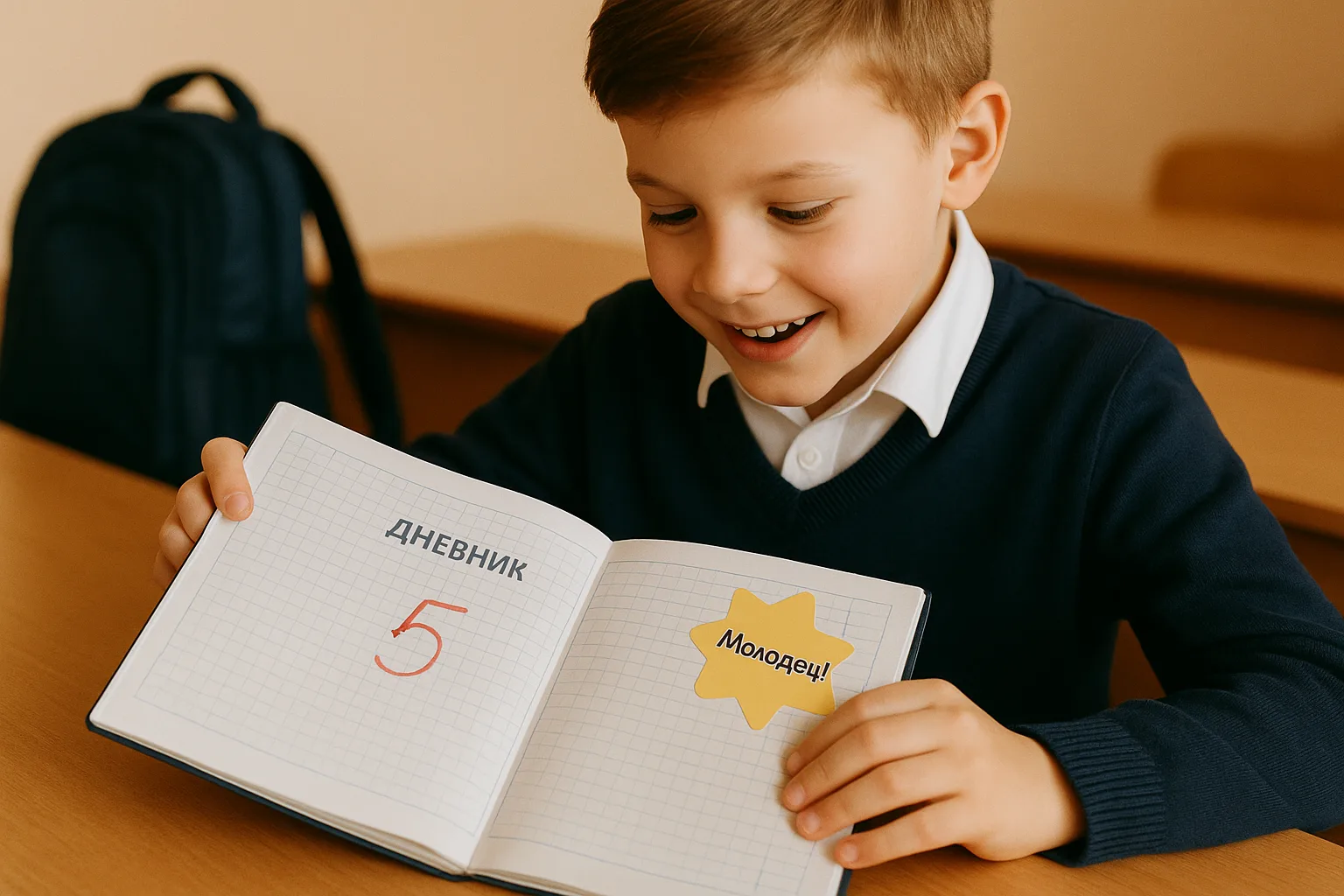
— Use of *Московская электронная школа (МЭШ)*, electronic gradebooks and platforms like Дневник.ру to personalize instruction and track progress.
— Project- and inquiry-based learning
— Cross-subject projects (history + literature + IT) reflect real-world problems and engage diverse learner profiles.
— STEAM and skill-focused lessons
— Emphasis on science, technology, engineering, arts and math alongside communication, collaboration and critical thinking.
— Formative assessment and feedback
— Frequent low-stakes checks, constructive comments, and student self-assessment to guide growth rather than only assign grades.
— Differentiation and scaffolding
— Tiered tasks and accessible materials help mixed-ability groups make meaningful progress.
*Practical tip for teachers:* start projects with a clear rubric and milestones in MES or the class journal—students and parents can then follow learning paths in real time.
Inclusive education: making Moscow schools accessible and welcoming
Inclusion is more than a ramp or a separate room; it’s an everyday culture.
— Individualized support
— Individual Education Plans (IEPs) or tailored learning paths for students with special needs.
— Collaborative teams
— Special educators, psychologists, speech therapists and classroom teachers share responsibility for outcomes.
— Teacher training
— Ongoing professional development on inclusive practices, universal design for learning (UDL), and classroom accommodations.
— Family-centered approach
— Partnership with parents to set realistic goals and adapt home routines to school recommendations.
*What works locally:* many Moscow schools collaborate with municipal resource centers and use city-run training to scale inclusive practices. Encourage regular multi-disciplinary meetings that include family voices.
Parent–teacher interactions: building trust and productive partnerships
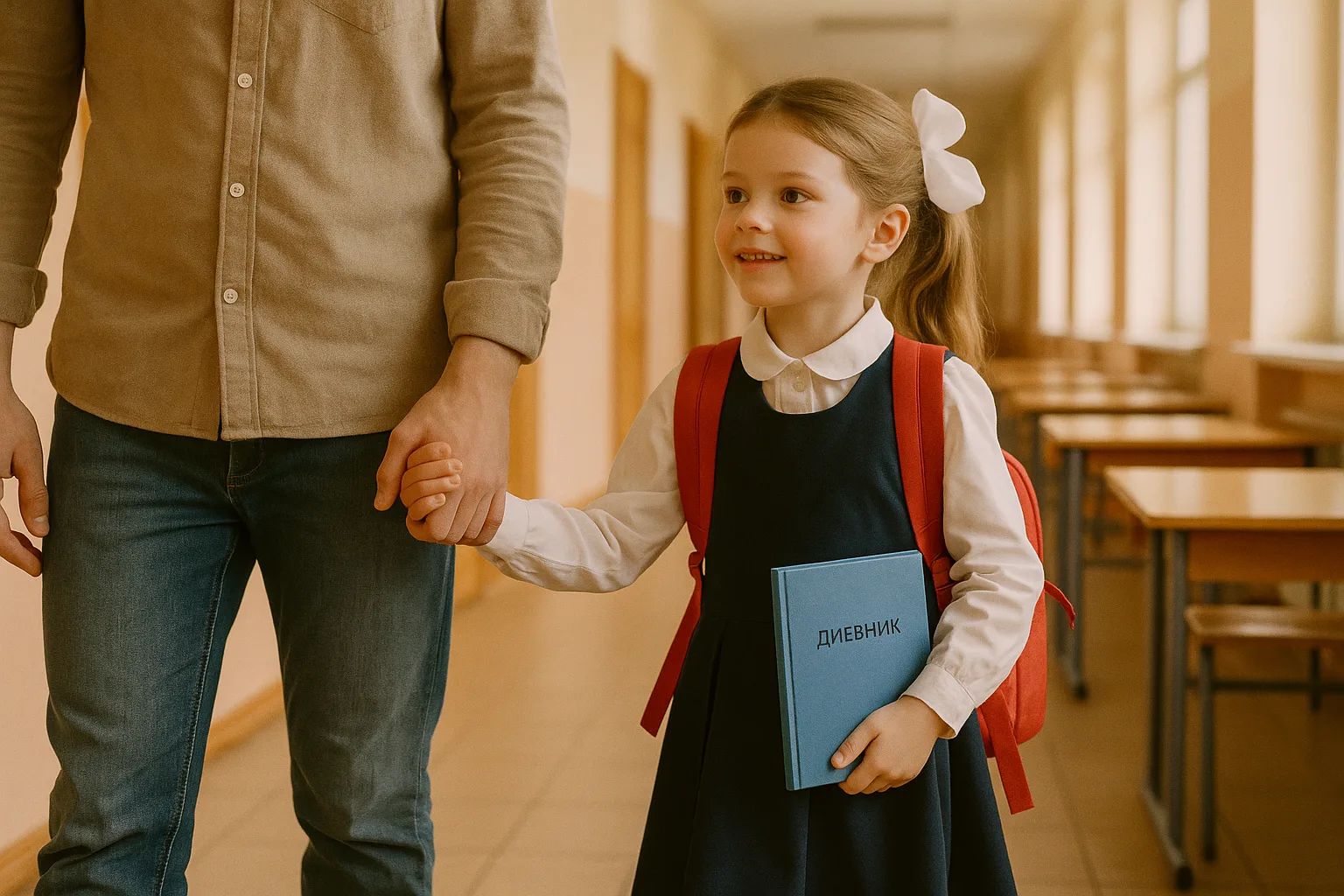
Strong parent–teacher relationships are fundamental to student success. In Moscow’s fast-paced environment, clarity and respect are key.
— Regular, structured communication
— Use platforms (МЭШ, Дневник.ру), monthly newsletters, and scheduled consultations rather than ad hoc messages.
— Goal-setting conversations
— Discuss academic targets, social-emotional goals, and extracurricular plans at the start of each term.
— Problem-solving approach
— Focus on solutions and concrete next steps during conferences. Avoid blame; emphasize shared responsibility.
— Cultural sensitivity and flexibility
— Moscow is diverse—listen for family values and constraints (work schedules, languages) and adapt meeting times or formats.
— Parent education
— Offer short workshops on topics like digital safety, homework routines, and adolescent mental health.
*Quick action:* set a clear communication policy at the beginning of the year—response windows, preferred channels, and escalation steps.
Extracurricular activities: expanding learning beyond the classroom
Extracurriculars in Moscow are rich and varied, from music and theater to robotics and sports. They are essential to student development.
— Benefits
— Social skills, leadership, time management, and a practical context for academic learning.
— Variety matters
— Offer arts, technical clubs, sports, volunteer projects and language circles to meet different interests.
— School–city partnerships
— Collaborate with cultural institutions, sports clubs and museums across Moscow to expand opportunities without dramatically raising costs.
— Pathways for talent
— Provide guidance for students who want to pursue competitive sports, olympiads, or artistic careers.
*For parents:* prioritize depth over quantity—consistent participation in one or two activities supports mastery and balance.
Developing the whole child: social-emotional learning and life skills
Academic achievement must be matched by resilience, empathy and agency.
— Explicit SEL curriculum
— Teach skills like self-regulation, conflict resolution, and teamwork through class meetings and reflective tasks.
— Student voice and leadership
— Student councils, peer mentoring and project leadership cultivate responsibility and civic engagement.
— Career and guidance support
— Introduce basic career exploration early and provide older students with internships, volunteer placements and college counseling.
Recommendations for school leaders in Moscow
— Invest in teacher development focused on inclusive pedagogy and digital fluency.
— Create clear communication protocols using city platforms to ensure transparency and equity.
— Map community resources (museums, cultural centers, sports facilities) and form partnerships to broaden extracurricular offerings.
— Track outcomes beyond grades: attendance, well-being metrics, and participation in extracurriculars.
— Promote a school culture that values diversity, dialogue and shared problem-solving.
Practical checklist for parents
— Engage: attend at least one parent–teacher meeting per term and review the electronic journal weekly.
— Communicate: set shared goals with teachers and agree on simple home-school routines.
— Balance: encourage one or two extracurriculars that match your child’s interests and energy.
— Support independence: gradually shift responsibility for organization and