Introduction
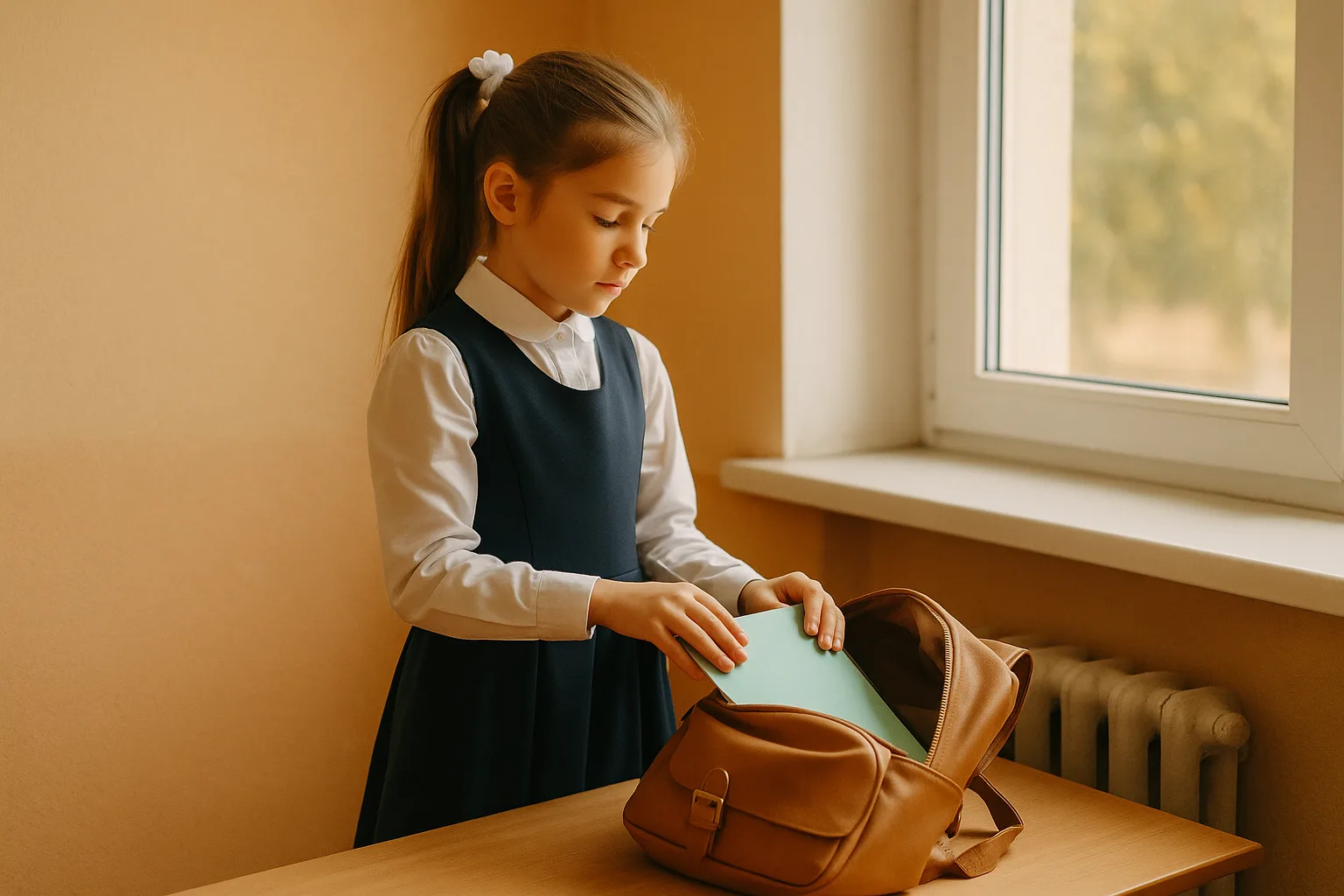
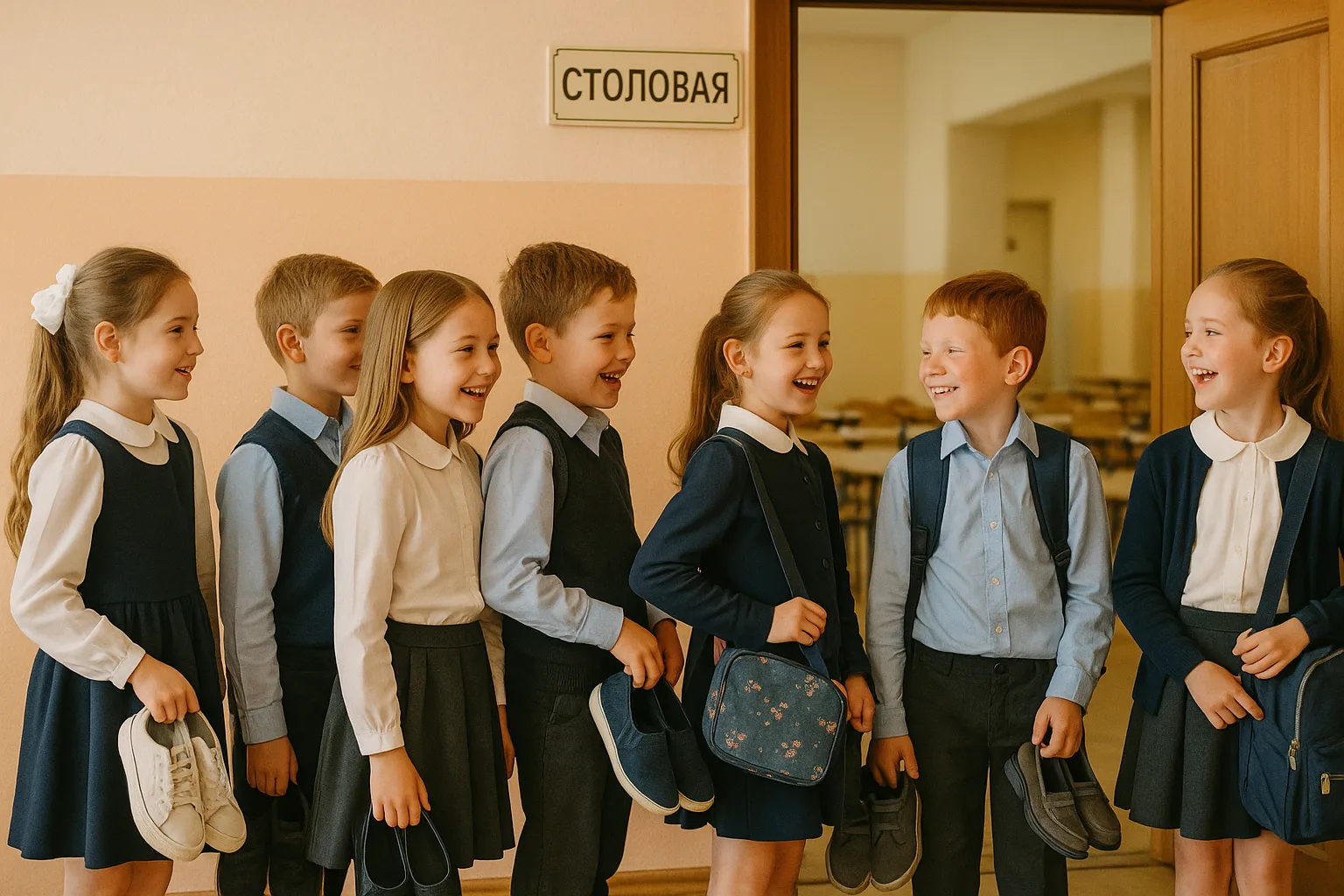
Moscow’s schools are a dynamic mix of tradition and innovation. From historic buildings near the Kremlin to high-tech classrooms in new complexes, city education focuses on academic excellence while increasingly prioritizing inclusion, student well‑being, and active collaboration between families and teachers. This article explores how modern teaching practices, extracurricular opportunities, and parent–teacher interactions shape student development across Moscow.
School life in Moscow — what parents and students can expect
— Modern infrastructure in many districts: digital classrooms, science labs, and sports facilities.
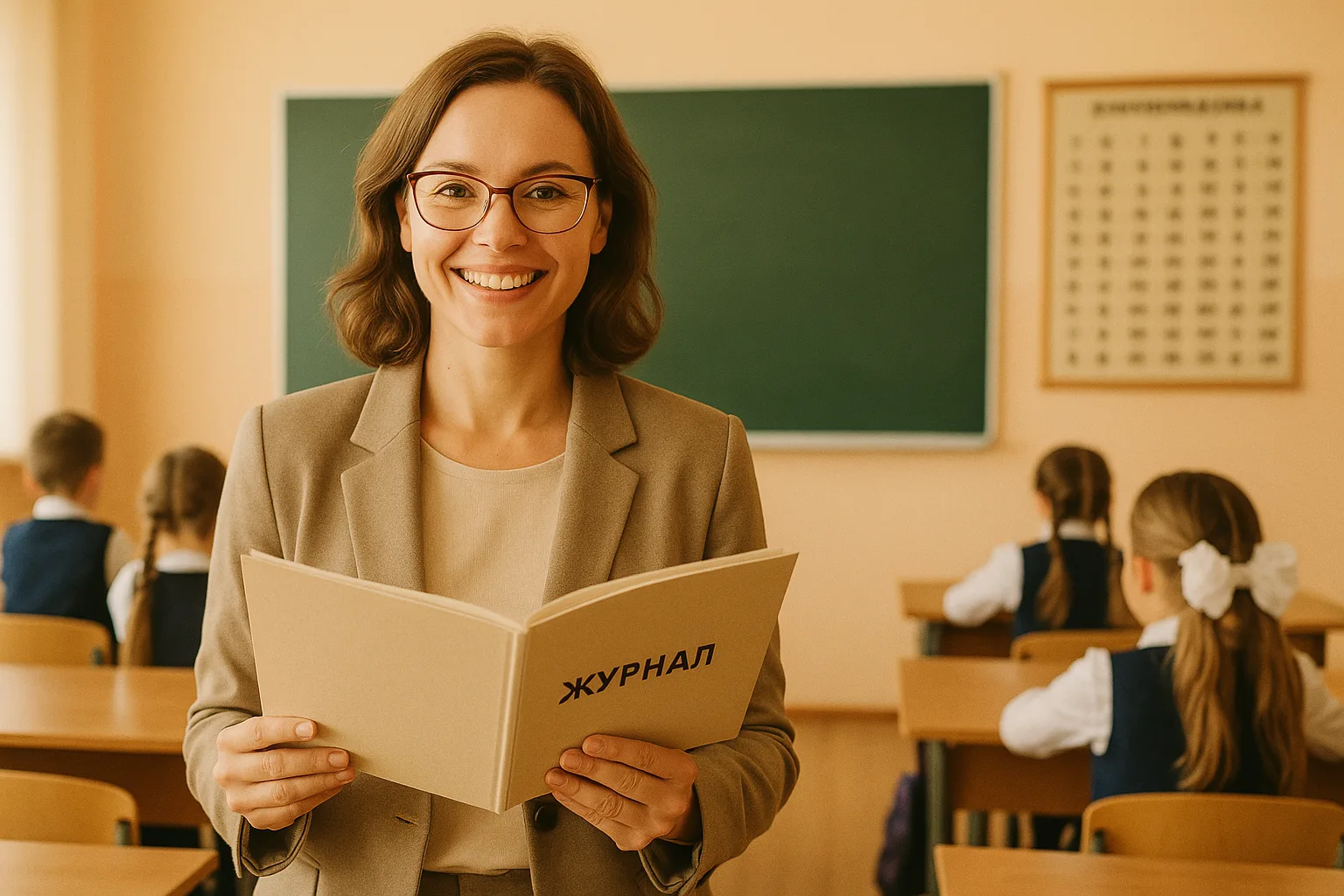
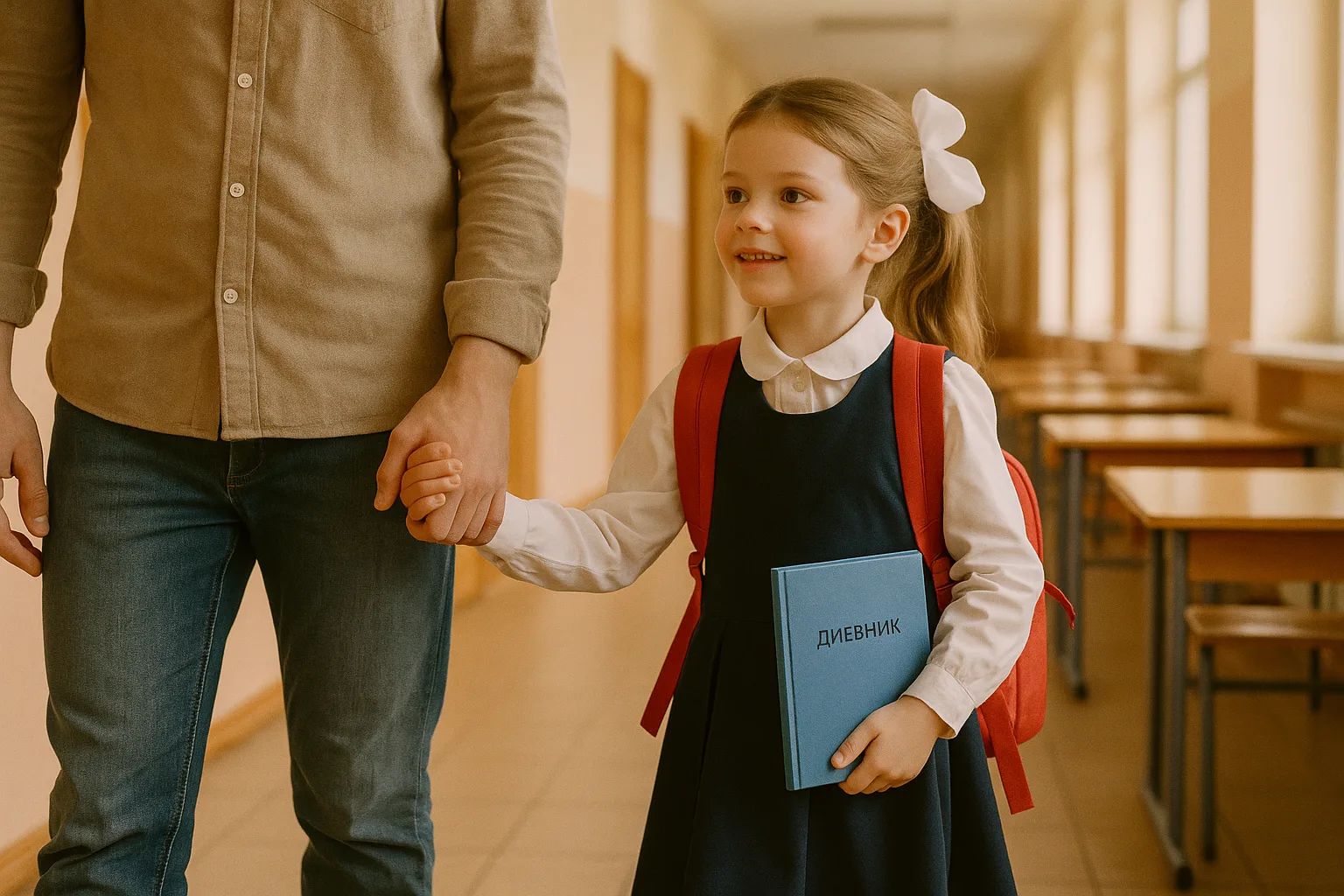
— Citywide digital tools such as the Moscow Electronic School (МЭШ) and electronic diaries/journals that streamline communication, grades, homework, and timetables.
— A dual emphasis on national academic standards (including preparation for the Unified State Exam) and broader competencies like critical thinking and communication.
— A lively cultural and educational ecosystem: museums, theaters, universities, and specialized centers offer frequent excursions and joint projects with schools.
Modern teaching practices gaining ground
Moscow educators are adopting several evidence‑based methods to make learning deeper and more relevant:
— Project‑based learning: cross‑disciplinary projects that connect school subjects with real‑world problems.
— Flipped classroom: students study foundational material at home and use class time for discussion, practice, and problem solving.
— Blended learning and edtech: МЭШ resources, subject-specific platforms, and digital assessments complement face‑to‑face lessons.
— Competency‑based approaches: focus on skills (communication, collaboration, digital literacy) alongside knowledge.
— Continuous professional development: city programs, municipal workshops, and partnerships with Moscow universities help teachers master new methods.
Inclusive education — making Moscow schools accessible for all
Inclusion is a growing priority across the capital:
— Many schools and specialized resource centers provide support for children with special educational needs (SEN): individualized learning plans, speech and occupational therapy, and teacher‑assistant programs.
— City initiatives fund adaptive equipment, training for teachers, and accessible facilities to reduce barriers.
— Co‑teaching and resource rooms allow children to learn alongside peers while receiving targeted support.
— Schools are increasing social‑emotional learning (SEL) and anti‑bullying work to create safer, more welcoming environments.
Practical tip: Parents of children with SEN should connect early with school psychologists, resource centers, and the municipal education department to co‑design an Individualized Education Plan (IEP) and access available services.
Parent–teacher interactions — building effective partnerships
Strong, constructive contact between families and educators is central to student success:
— Regular formats: parent–teacher conferences, open lessons, workshops, and school councils (советы).
— Digital communication: МЭШ and electronic diaries ensure transparency about homework, grades, and attendance.
— Focused collaboration: goal‑setting meetings for academic progress or social‑emotional needs create shared responsibility.
— Community engagement: many Moscow schools host volunteer events, cultural nights, and extracurricular showcases that involve families.
Best practices for parents:
— Be proactive and solution‑oriented: bring observations and questions with concrete examples.
— Support learning at home: set routines, encourage reading, and show interest in projects rather than focusing only on grades.
— Participate in school life: join PTA activities, volunteer at events, or attend workshops to strengthen trust and mutual understanding.
Extracurricular activities and partnerships — expanding horizons
Moscow offers rich extracurricular opportunities that complement formal education:
— Arts and culture: cooperation with museums (Tretyakov Gallery, Pushkin State Museum), theaters, and music schools.
— Sports and health: local sports schools (ДЮСШ), city competitions, and well‑equipped school gyms.
— STEM and innovation: robotics clubs, coding classes, and science olympiads supported by university partnerships.
— Additional education system: palaces of creativity and youth centers provide after‑school programs in crafts, languages, and leadership.
Value for students:
— Extracurriculars build soft skills, broaden social networks, and help young people discover passions that guide future studies and careers.
Student development and assessment — balancing growth and well‑being
— Assessment is moving beyond rote testing, with formative assessments, portfolios, and project evaluation gaining traction.
— Emphasis on mental health: school psychologists, counselors, and wellbeing programs are increasingly available.
— Career guidance: partnerships with higher education and industry help students explore vocational paths and university options.
Recommendations for schools, parents, and policymakers
For schools:
— Foster regular, structured parent engagement and transparent communication.
— Expand inclusive practices and teacher training in differentiated instruction.
— Strengthen partnerships with cultural institutions and universities for richer learning experiences.
For parents:
— Engage early and constructively with teachers; use digital tools to stay informed.
— Encourage balanced routines: academics, hobbies, rest, and physical activity.
— Advocate for inclusive resources if your child needs extra support.
For policymakers:
— Invest in professional development focused on inclusive pedagogy and digital literacy.
— Ensure equitable access to extracurricular programs across Moscow’s districts.
— Support data‑driven approaches to monitor student well‑being and learning outcomes.
Conclusion
Moscow’s educational landscape is evolving: modern teaching methods, inclusive practices, and rich extracurricular networks are redefining school life. When schools, families, and community institutions collaborate, students gain not only academic knowledge but also the skills, resilience, and curiosity they need to thrive. Whether you are a parent, teacher, or policymaker, the most impactful step is to engage—listen, share responsibility, and invest in every child’s potential.