Введение
Moscow’s schools stand at the crossroads of tradition and innovation. Families, teachers and city institutions are shaping an education ecosystem that values academic achievement, social development and inclusion. This article outlines practical approaches for improving school life in Moscow — from parent‑teacher interactions to extracurriculars and modern teaching practices — with concrete ideas for students’ holistic development.
1. The Moscow context: strengths and opportunities
— Strong city support: Moscow’s Department of Education runs programs, professional development and citywide events that schools can join.
— Rich cultural infrastructure: museums, theatres, libraries and science centers offer ready-made partners for projects and excursions.
— Active extracurricular network: дворцы творчества, спортивные секции и кружки (including robotics, music and languages) give students many pathways to explore interests.
2. Parent–teacher collaboration: principles and practical tips
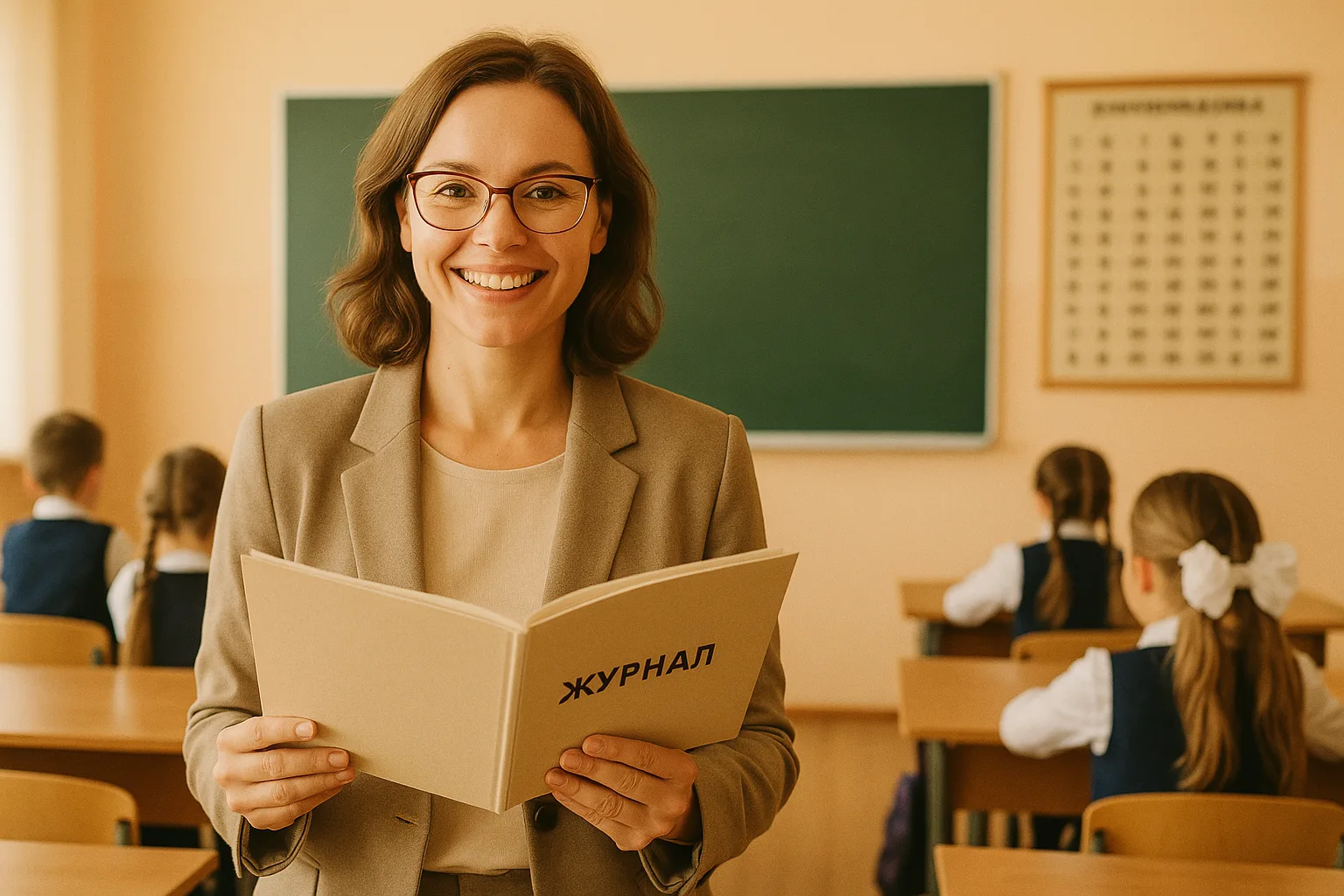
Effective parent–teacher partnerships improve motivation, attendance and learning outcomes.
Principles:
— *Respect and shared purpose* — focus on the child’s strengths and growth areas.
— *Regular, two‑way communication* — not just at quarterly meetings.
— *Data‑informed conversations* — use examples of work, grades and behavior trends.
Practical tips:
— Schedule concise, agenda‑driven meetings—start with successes, then set 2–3 priorities.
— Use trusted digital tools (electronic diaries like Дневник.ру, school LMS, messenger groups) for updates and homework reminders.
— Invite parents to aligned activities: open lessons, project fairs, volunteer roles in clubs.
— Train teachers and parents in constructive feedback and goal setting — share simple templates for home‑study plans.
3. Extracurricular activities: designing meaningful out‑of‑class experiences
Extracurriculars build skills that grades alone don’t capture: teamwork, creativity, leadership.
Best practices:
— Offer a balanced menu: sports, arts, STEM, civic volunteering, and language clubs.
— Link clubs to curriculum: e.g., a history project club that partners with local museums; robotics paired with physics modules.
— Ensure affordability and access: provide scholarships, subsidized transport, and after‑school care.
— Promote student voice: let students propose and run clubs under teacher supervision.
Moscow-specific ideas:
— Collaborate with дворцы творчества and city museums for workshops and competitions.
— Tap into citywide festivals and olympiads to motivate high‑achieving learners.
4. Student development: academic and socio‑emotional growth
Holistic development prepares students for modern life and work.
Focus areas:
— Cognitive skills: critical thinking, problem solving and project work.
— Social skills: communication, collaboration, conflict resolution.
— Emotional literacy: self‑regulation, resilience and mental health awareness.
— Career orientation: exposure to professions through mentors, internships and career days.
Classroom strategies:
— Project‑based learning and interdisciplinary tasks.
— Peer tutoring and cooperative learning structures.
— Regular reflection activities (portfolios, student conferences).
5. Inclusive education: ensuring every child belongs
Inclusive schools in Moscow blend legal frameworks, resource centers and classroom practices.
Key components:
— Early identification and assessment; multidisciplinary teams including psychologists and speech therapists.
— Individualized Education Plans (IEPs) and reasonable accommodations (assistive tech, modified tasks).
— Universal Design for Learning (UDL): multiple ways to access content, express knowledge and engage.
— Professional development for staff on differentiation and inclusive classroom management.
Practical steps for schools:
— Create accessible physical spaces and transport plans when possible.
— Develop peer support and buddy systems for social inclusion.
— Work with municipal resource centers and NGOs to expand services.
6. Modern teaching practices and digital tools
Blended, student‑centered approaches make learning engaging and measurable.
Effective practices:
— Flipped classroom for deeper in‑class application work.
— Formative assessment routines (exit tickets, quick polls, iterative feedback).
— Interdisciplinary STEAM projects that combine creativity and rigorous thinking.
— Personalised learning pathways using data and tiered tasks.
Recommended tools and integrations:
— City resources like Российская электронная школа (РЭШ) and school diaries for synchronous planning.
— Learning management systems to centralize lesson materials and assessments.
— Safe communication channels for home‑school dialogue (class groups, scheduled video calls).
7. For school leaders: building a culture of continuous improvement
— Invest in teacher learning communities focused on inclusive pedagogy and digital fluency.
— Pilot innovations (e.g., flexible timetables, project weeks) with clear evaluation metrics.
— Strengthen partnerships with cultural institutions and city programs to diversify learning contexts.
— Monitor wellbeing indicators as well as academic metrics.
Quick checklist for Moscow parents and educators
— For parents: attend one open lesson per term; set a weekly check‑in about learning goals; encourage one extracurricular interest.
— For teachers: plan one interdisciplinary project per semester; use at least one formative assessment weekly; invite parental input into learning plans.
— For administrators: map community partners; ensure at least one staff training on inclusion per year; review accessibility and transport barriers.
Заключение
School life in Moscow can be vibrant, equitable and forward‑looking when families, teachers and city institutions coordinate around shared goals: meaningful learning, social inclusion and real‑world readiness. Small, consistent changes — clearer