Introduction
Moscow’s school environment is dynamic: a mix of traditional gymnasiums and lyceums, public neighborhood schools, and specialized institutions. Families, teachers, and city resources work together to shape student development through modern teaching practices, extracurricular opportunities, and growing emphasis on inclusivity. This article outlines what works in Moscow today and offers practical steps for schools and parents.
The Moscow school landscape — a snapshot
— Diverse options: municipal schools, lyceums, gymnasiums, профильные (specialized) programs and private schools.
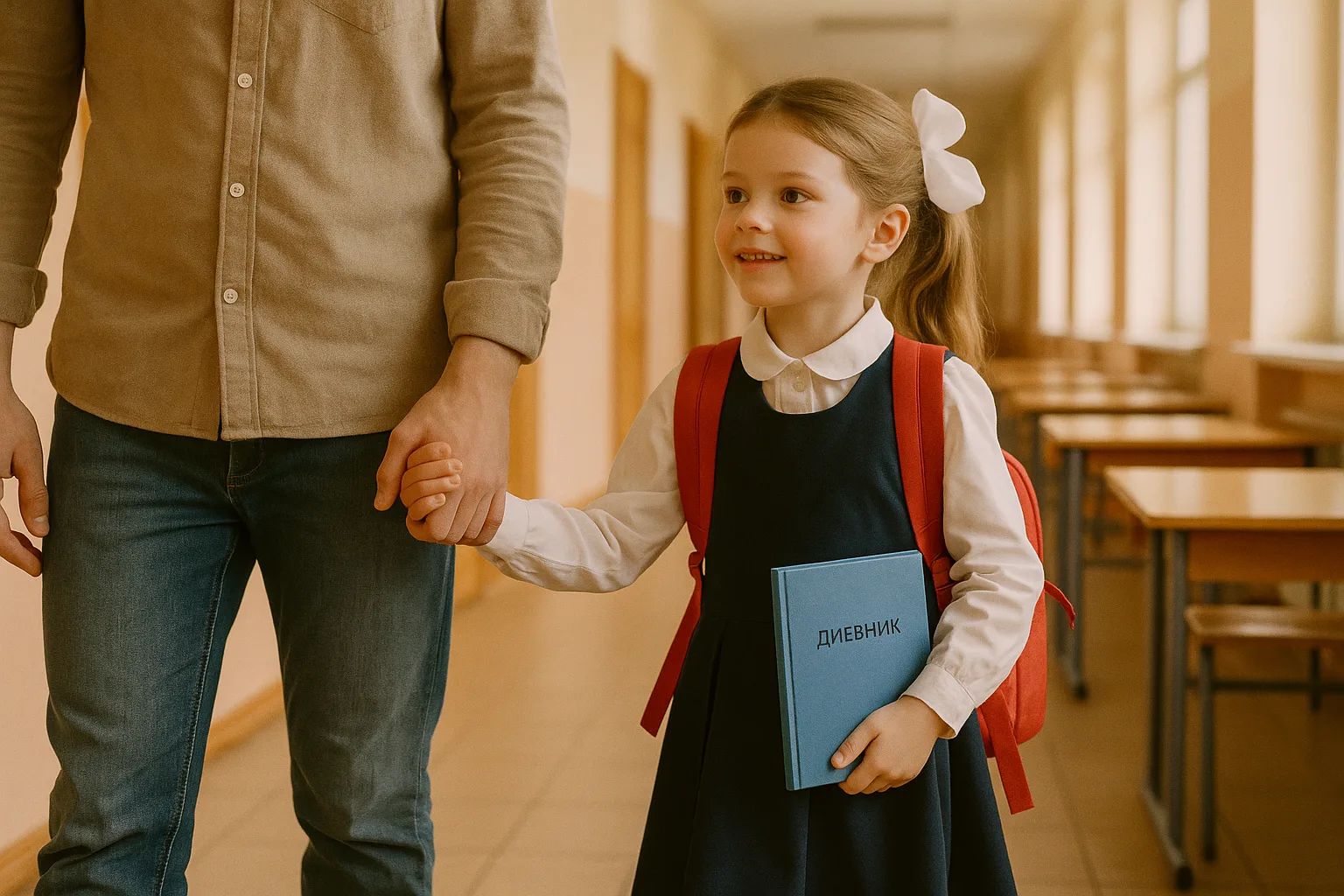
— City support: initiatives by the Moscow Department of Education and digital platforms such as Российская электронная школа and Дневник.ру help standardize resources and communication.
— Cultural advantage: proximity to museums, theaters, universities (МГУ, ВШЭ) and research centers creates unique opportunities for partnerships and real-world learning.
Modern teaching practices gaining traction
— Blended and flipped classrooms: lessons combine in-class discussion with online pre-recorded materials so classroom time focuses on application and feedback.
— Project-based and interdisciplinary learning: STEAM projects, city-focused research (history, ecology, urban studies) build critical thinking and collaboration.
— Formative assessment and differentiated instruction: ongoing, low-stakes checks for understanding and tailored tasks to meet different learners where they are.
— Socio-emotional learning (SEL): developing teamwork, resilience, and communication alongside academic skills.
— Technology integration: safe use of educational platforms, coding classes, robotics and digital portfolios to document progress.
Inclusive education in Moscow schools
— Mainstreaming and support: many schools create resource rooms, offer assistants and pull-out support to integrate students with special needs.
— Early screening and intervention: speech therapists, psychologists and remedial teachers work with families to create Individual Education Plans (IEPs).
— Language and cultural diversity: additional language support for migrant or non-native Russian speakers; culturally responsive practices recognize Moscow’s diversity.
— Anti-bullying and positive school climate programs: peer mediation, clear reporting channels and SEL curricula foster safety and belonging.
Extracurricular activities that expand opportunity
— Academic competitions and Olympiads: subject Olympiads, math circles, linguistics and citywide contests sharpen intellectual skills.
— STEM and robotics clubs: First Lego League, programming workshops and partnerships with tech hubs help prepare students for modern careers.
— Arts and culture: choir, drama, visual arts, and museum partnerships nurture creativity and civic identity.
— Sports and health: football, gymnastics, martial arts and school sports leagues promote physical well-being and teamwork.
— Civic and ecological projects: volunteering, community clean-ups and local-history projects build agency and local pride.
Parent–teacher interactions: building productive partnerships
— Regular, structured communication: scheduled parent–teacher conferences, open days and clear digital updates (Дневник.ру, Telegram/WhatsApp where appropriate).
— Workshops for parents: sessions on homework support, digital safety, adolescent mental health, and preparing for exams (ЕГЭ/ОГЭ).
— Parent councils and volunteering: meaningful roles — event organization, extracurricular support and fundraising — strengthen community ties.
— Transparent assessment and goal-setting: shared learning goals, access to formative feedback and co-created IEPs for students needing support.
— Hybrid meeting options: remote meetings increase accessibility for working parents.
Supporting whole-child development
— Soft skills and autonomy: opportunities for leadership (student councils, project leads), presentations and peer teaching build confidence.
— Career orientation: excursions to universities and firms, guest lectures and mentorship programs clarify future pathways.
— Healthy routines: collaboration between parents and schools on sleep, nutrition and screen-time norms supports learning readiness.
— Mental health and counseling: school psychologists, referral pathways and destigmatizing conversations are essential in a big city context.
Practical steps for schools and parents in Moscow
For schools:
— Adopt at least one evidence-based modern teaching method (flipped classroom, project-based learning) and train staff.
— Strengthen ties with cultural institutions and universities for mentorships and field trips.
— Implement clear inclusive policies: resource rooms, staff training, and parent-facing IEP processes.
— Use and promote trusted digital platforms for transparent communication and assessment.
For parents:
— Engage early: attend open days, join parent councils and take part in workshops.
— Encourage extracurricular breadth: balance academics with arts, sports and civic activities.
— Foster independence: give children graded responsibility for homework and project planning.
— Communicate proactively with teachers and use digital tools to follow progress.
Conclusion
Moscow’s schools offer rich resources and evolving practices that, when combined with active parental involvement and inclusive policies, create fertile ground for student development. The most successful approaches are collaborative — educators, families and city institutions working together to prepare young people not only for exams, but for life in a diverse, modern metropolis.