Introduction
Moscow’s schools are a meeting point of rich educational traditions and rapid innovation. From historic gymnasiums to modern lyceums and international programs, the city offers a broad ecosystem for student growth. This article outlines practical approaches to improving school life in Moscow across teaching practices, inclusive education, extracurriculars, and parent–teacher collaboration.
The Moscow educational landscape — a snapshot
— Diverse school types: public schools, specialized gymnasiums and lyceums, private and international schools.
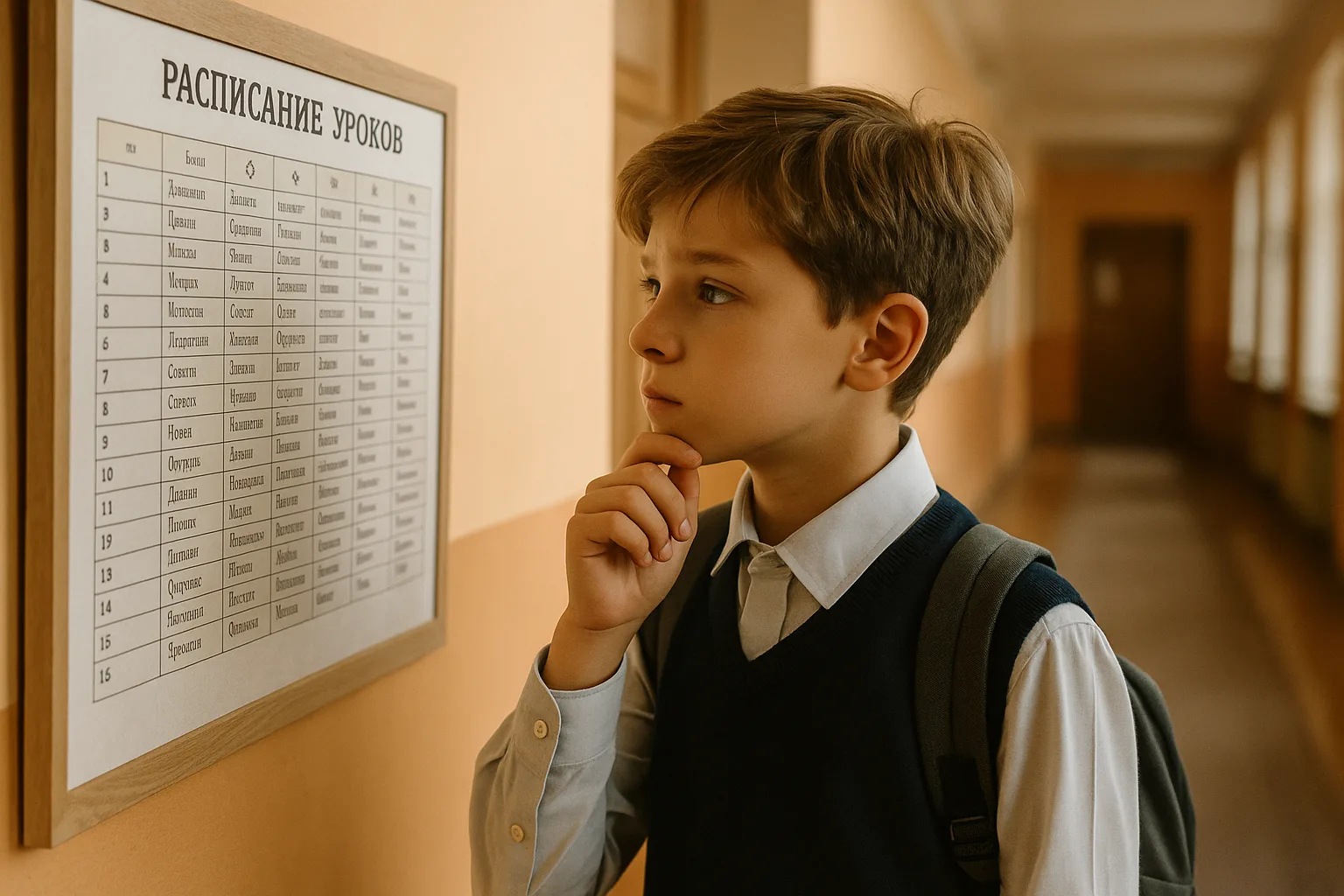
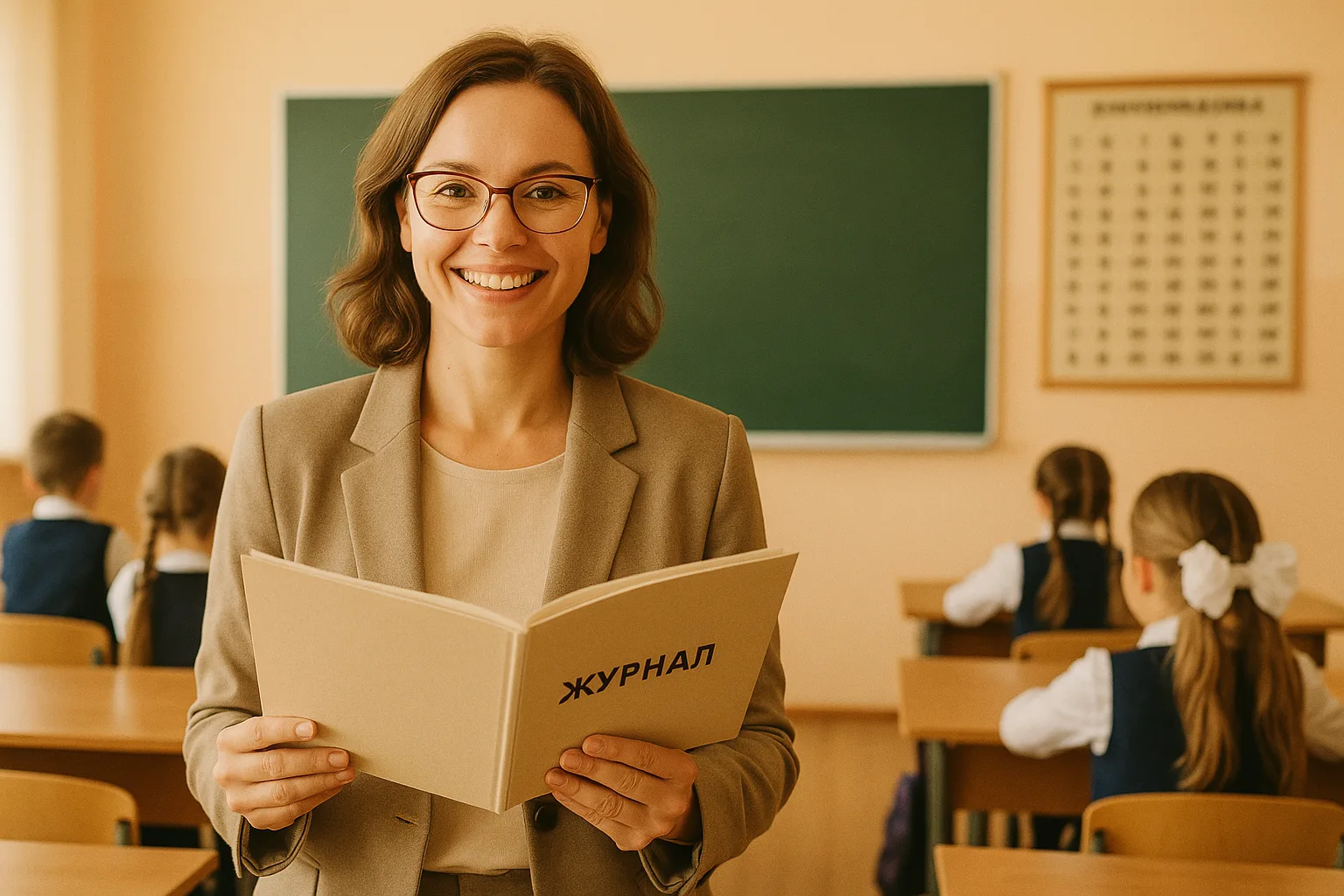
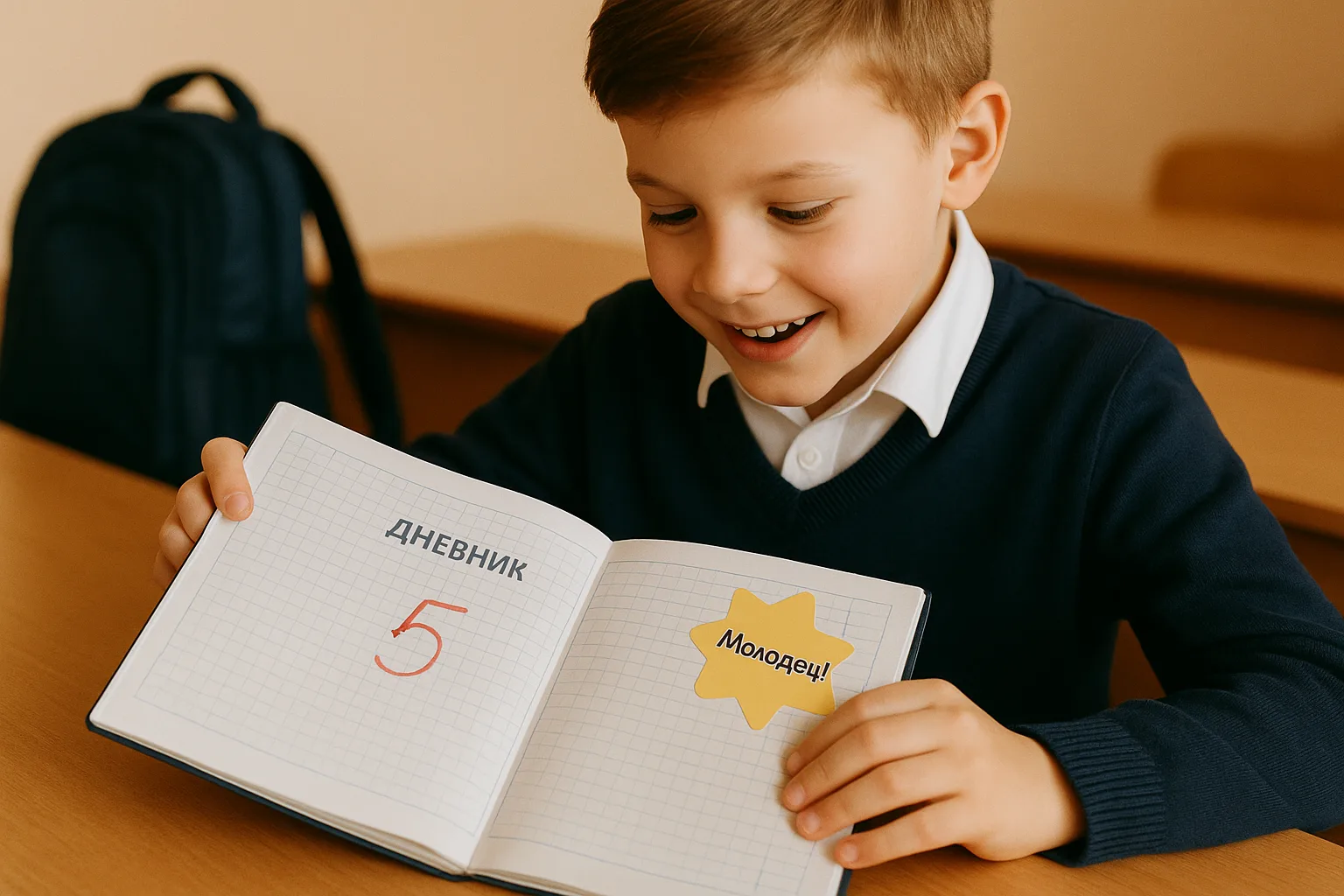
— Digitization: many schools use electronic platforms (for example, Московская электронная школа — МЭШ — and common electronic diaries/journals) to share grades, schedules and learning resources.
— Strong cultural and institutional resources: museums, theaters, universities and research centers offer unique extracurricular and partnership opportunities.
Modern teaching practices that work
— Blended and hybrid learning: combine classroom instruction with curated online resources to personalise pace and access.
— Project-based learning (PBL): interdisciplinary projects connect theory to real-world issues — ideal for STEAM and civic themes.
— Flipped classroom: students review lectures at home and use class time for coaching, collaboration and deeper practice.
— Formative assessment and feedback loops: regular low-stakes checks guide instruction and support growth.
— Differentiated instruction: adapt tasks, materials and outcomes to match varied readiness and learning styles.
— Competency-based approaches: focus on skills and demonstrated mastery rather than seat time.
— Gamification and interactive tools: motivate younger learners and sustain engagement in complex subjects.
Inclusive education — principles and practical steps
— Early identification and support: timely diagnostics and Individual Education Plans (IEPs) help students with special needs thrive.
— Multi-disciplinary teams: special educators, speech therapists, psychologists and classroom teachers co-design adaptations.
— Universal Design for Learning (UDL): provide multiple means of engagement, representation and expression so all students can access content.
— Assistive technologies: screen readers, adapted keyboards, visual supports and audio materials expand accessibility.
— Professional development: routine training for teachers on inclusion strategies and classroom management.
— Family partnership: involve parents in goal-setting, progress monitoring and home support strategies.
Parent–teacher interactions — building a constructive partnership
— Regular, structured communication: combine digital updates (electronic diaries, messaging platforms) with scheduled face-to-face consultations.
— Goal-focused meetings: discuss progress against learning goals, social-emotional development, and concrete next steps.
— Parent councils and volunteer programs: invite parents to contribute school-wide initiatives, events and extracurricular support.
— Conflict management: adopt a solutions-oriented mindset, document agreements and set timelines for follow-up.
— Tips for parents: prepare questions in advance, focus on evidence (work samples, assessments), agree on shared expectations and homework routines.
Extracurricular activities and city partnerships
— Wide offerings: sports teams, music and drama studios, robotics, debate clubs, chess, and language clubs.
— Cultural partnerships: regular visits and collaborative projects with Moscow’s museums, theaters and conservatories enrich curricula.
— Science and tech ecosystems: university lab visits, summer schools, and city competitions help identify and nurture talents.
— Civic and volunteer programs: promote responsibility, social skills and community engagement.
— Access and inclusion: ensure extracurriculars offer adaptive options and scholarship opportunities so all students can participate.
Student development and wellbeing
— Social-emotional learning (SEL): integrate lessons on empathy, self-regulation and teamwork into daily routines.
— Mental health support: accessible school psychologists and referral pathways to specialists when needed.
— Career guidance and mentorship: early exposure to professions, internships and mentorships helps students plan realistic pathways.
— Cultivating autonomy: goal-setting, study skills and time management prepare adolescents for higher education and work.
Practical recommendations
— For school leaders:
— Prioritise ongoing teacher training in modern pedagogy and inclusion.
— Strengthen partnerships with cultural and higher-education institutions.
— Use data from formative assessments to guide resource allocation.
— For teachers:
— Start small: pilot one project-based or flipped unit and scale what works.
— Collaborate with specialists to adapt lessons for diverse learners.
— Keep communication with families frequent and focused.
— For parents:
— Use school digital platforms to stay informed, but also schedule periodic consultations.
— Promote reading, balanced screen time and consistent routines at home.
— Volunteer or participate in parent councils to influence school life constructively.
Conclusion
A thriving school life in Moscow balances academic rigor with inclusive practice, modern pedagogy and strong parent–teacher partnerships. When educators, families and the wider city ecosystem work together — sharing clear goals, data and mutual respect — students gain both the skills and the confidence to succeed. Start with one shared goal this term, test a small change, and build momentum from there.