Introduction
Moscow’s schools stand at the crossroads of rich cultural heritage and rapidly evolving educational practice. From historic gymnasiums near Arbat to new tech-forward complexes in peripheral districts, the modern Moscow school must balance academic rigor with student well‑being, inclusive education, and meaningful parent‑teacher collaboration. This article offers practical strategies for educators, parents, and administrators to strengthen school life through contemporary teaching practices, diverse extracurricular opportunities, and constructive family–school partnerships.
The changing landscape of Moscow education
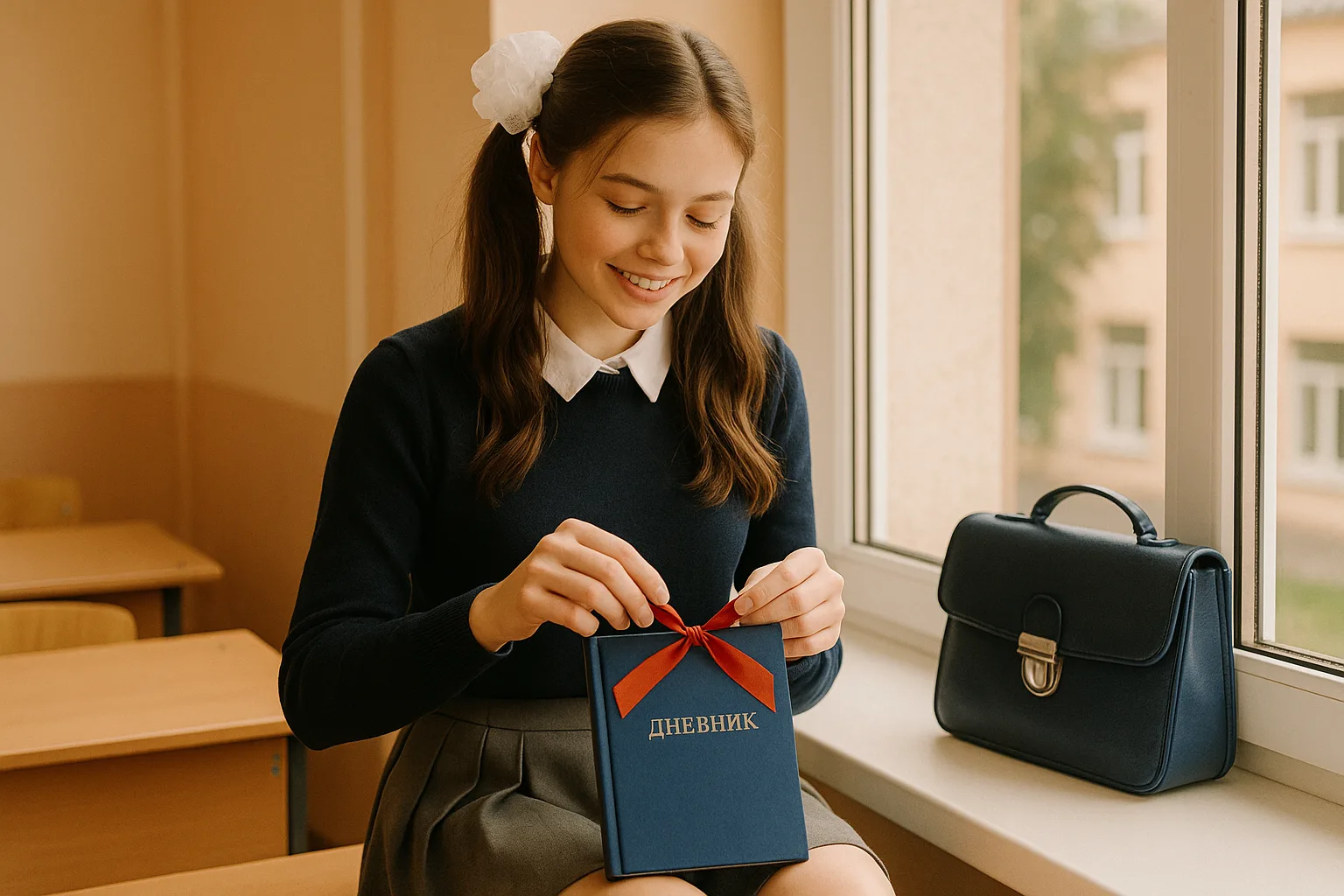
— Municipal and private schools in Moscow increasingly use digital platforms such as *Московская электронная школа (МЭШ)* and *Электронный дневник/журнал* to share grades, assignments, and resources.
— There’s growing emphasis on inclusive education: resource rooms, speech therapists, and individualized learning plans (*индивидуальная образовательная программа*).
— Extracurricular offerings are broadening — robotics, theater, museum programs, language clubs, and sports academies — reflecting a citywide push to develop 21st‑century competencies.
Modern teaching practices that work in Moscow classrooms
— Flipped and blended learning: provide lecture content via МЭШ or video for home study; use class time for projects and discussion.
— Project‑based learning (PBL): tie projects to Moscow’s cultural assets (museums, historical sites, local civic projects).
— Differentiated instruction and Universal Design for Learning (UDL): plan multiple pathways for students to access content, demonstrate mastery, and stay engaged.
— Formative assessment and feedback loops: short quizzes, peer review, and digital analytics to inform instruction before high‑stakes tests.
— Social‑emotional learning (SEL): integrate routines for reflection, conflict resolution, and stress management into daily lessons.
Inclusive education — practical steps
— Early screening and referral: train teachers to spot learning or sensory needs and use school psychologists and specialists for timely support.
— Individualized plans: co‑create *индивидуальная образовательная программа* with parents, specialists, and the student where appropriate.
— Physical accessibility and adaptive materials: ensure classrooms, routes, and digital content are accessible (large print, captioned videos, assistive software).
— Peer supports and buddy systems: organize mentoring and cooperative groups to foster belonging.
— Professional development: regular training on inclusive pedagogy, communication with families of children with disabilities, and legal frameworks within Russia.
Parent–teacher interactions: structure for success
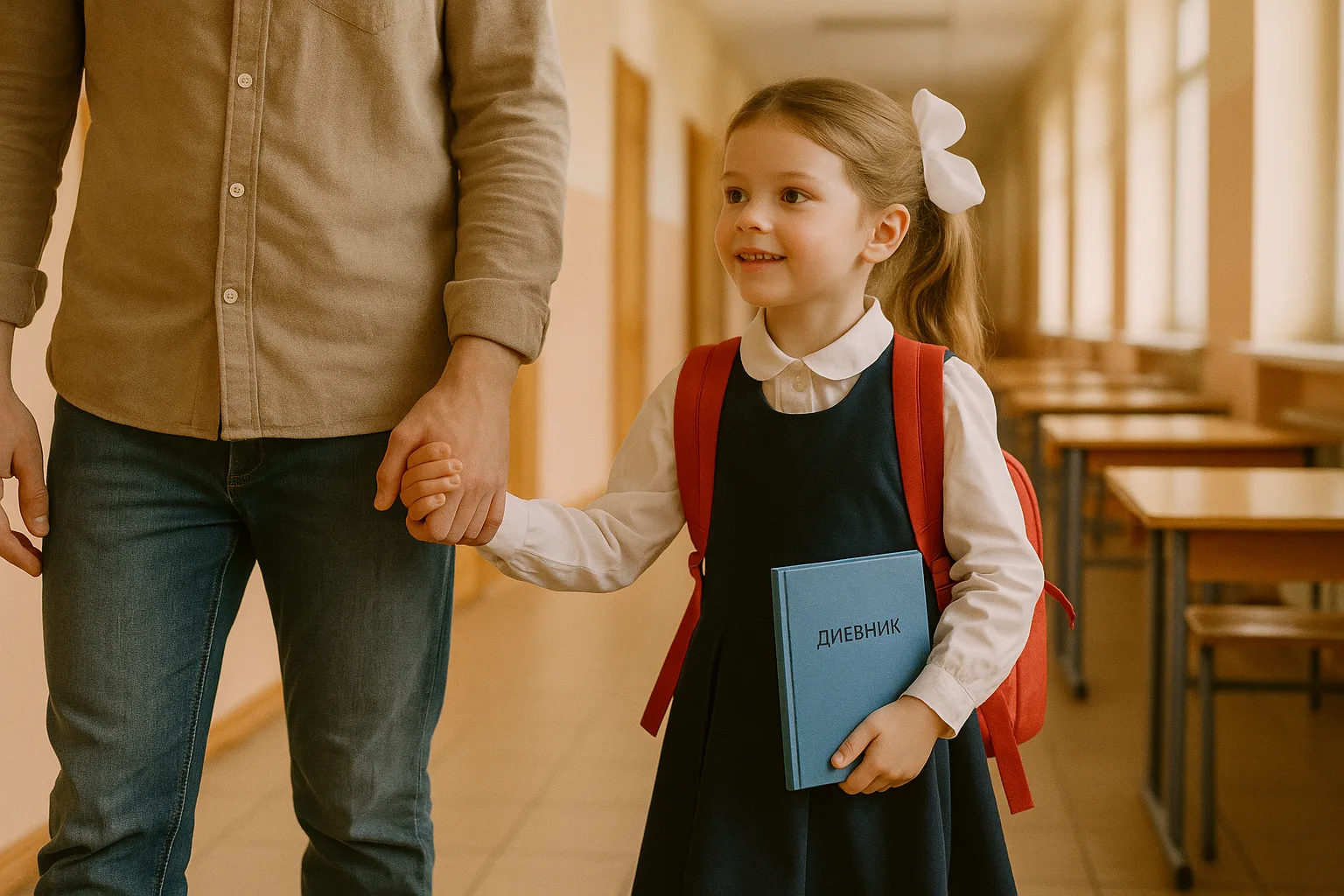
Effective collaboration is built on transparency, respect, and shared goals.
Practical practices:
— Regular touchpoints: weekly class updates via МЭШ or email; monthly teacher summaries; scheduled parent‑teacher conferences.
— Constructive conferences: focus on goals, strengths, and concrete next steps rather than only grades. Use examples of work and progress indicators.
— Parent workshops: host sessions on modern pedagogy, digital safety, exam preparation, and supporting SEL at home.
— Parent councils and volunteering: involve parents in school events, extracurricular supervision, and curriculum consultations.
— Clear communication protocols: set expectations for response times, preferred channels (school portal vs. WhatsApp), and privacy.
Sample agenda for a productive parent–teacher meeting:
1. Welcome and purpose (5 min)
2. Student strengths and progress evidence (10 min)
3. Areas to develop + proposed strategies (10 min)
4. Home support and parental questions (10 min)
5. Agreed actions and timeline (5 min)
Extracurricular activities that enrich student development
— STEM and robotics clubs: partner with tech hubs and universities for mentorship and competitions.
— Arts and culture: theater studios, visual arts, and music tied to Moscow institutions (Tretyakov Gallery, Bolshoi educational programs).
— Sports and wellness: inclusive teams, physical literacy, and outdoor education in city parks.
— Civic and community projects: local history research, volunteering at cultural sites, environmental initiatives along the Moskva River.
— Career and skills labs: internships, coding bootcamps, and entrepreneurial workshops for older students.
Tips for equitable extracurricular access:
— Sliding fees, municipal subsidies, and transport solutions.
— Schedule activities during and after school to accommodate working parents.
— Promote mixed‑ability groups and adaptive versions of programs.
Student development: academic, social, and digital literacies
Focus beyond test scores:
— Critical thinking and problem solving through interdisciplinary projects.
— Communication and teamwork cultivated in group presentations and clubs.
— Digital literacy and online safety: explicit lessons on source evaluation, privacy, and respectful communication.
— Career guidance and self‑reflection: help students map interests to study options and occupations.
For school leaders: a three‑phase roadmap
Phase 1 — Audit and planning (0–6 months)
— Map current strengths: staff skills, facilities, digital tools, extracurricular offerings.
— Survey families and students about needs and priorities.
— Create a steering group of teachers, parents, and students.
Phase 2 — Pilot and capacity building (6–18 months)
— Pilot blended lessons, a PBL module, and one inclusive support program (e.g., resource room model).
— Provide training on UDL, formative assessment, and effective parent communication.
— Launch parent workshops and a revised communication protocol using МЭШ and school channels.
Phase 3 — Scale and sustain (18–36 months)
— Expand successful pilots across grades.
— Institutionalize individualized plans and formalize parent engagement roles (parent council charters).
— Monitor outcomes (academic, attendance, SEL indicators) and adjust policy.
Quick checklists
For teachers:
— Use at least one formative assessment per week.
— Offer two differentiated task options in every lesson.
— Share one brief weekly update with families.
For parents:
— Attend at least two parent workshops per year.
— Ask for examples of student work and measurable goals at each conference.
— Encourage balanced screen time and support SEL routines.
For administrators:
— Ensure access to assistive technologies and training.
— Track extracurricular participation and barriers to access.
— Institutionalize regular professional development and parent outreach.
Closing thoughts
Moscow’s educational ecosystem offers unique cultural and institutional resources. By combining modern pedagogical approaches, inclusive practices, and strong parent–teacher partnerships, schools can cultivate learners who are academically competent, socially responsible, and prepared for a complex world. Small, consistent steps — clearer communication, adaptive lessons, and community partnerships — yield lasting improvements in school life for every child.
Further resources (Moscow‑specific):
— Московская электронная школа (МЭШ) — digital classroom resources and lesson banks
— Электронный дневник/журнал — grade and homework communication tools
— Local cultural institutions (Tretyakov Gallery, Polytechnic Museum, Moscow Planetarium) — for project partnerships
For tailored templates (meeting agendas, IEP examples, pilot plans) or a localized action plan for your