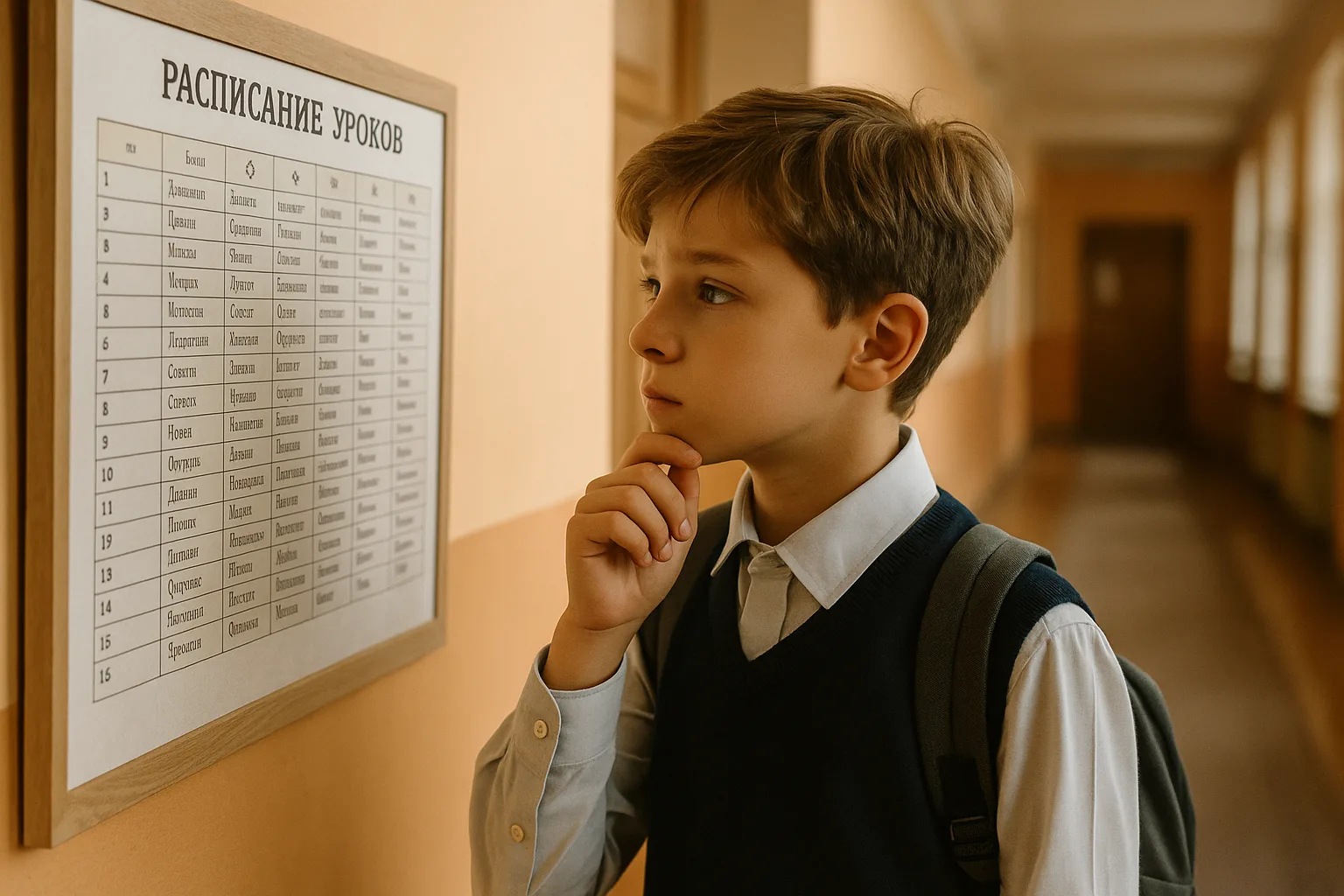
Growing Together in Moscow Schools: Modern Practices for Inclusive, Engaging Education
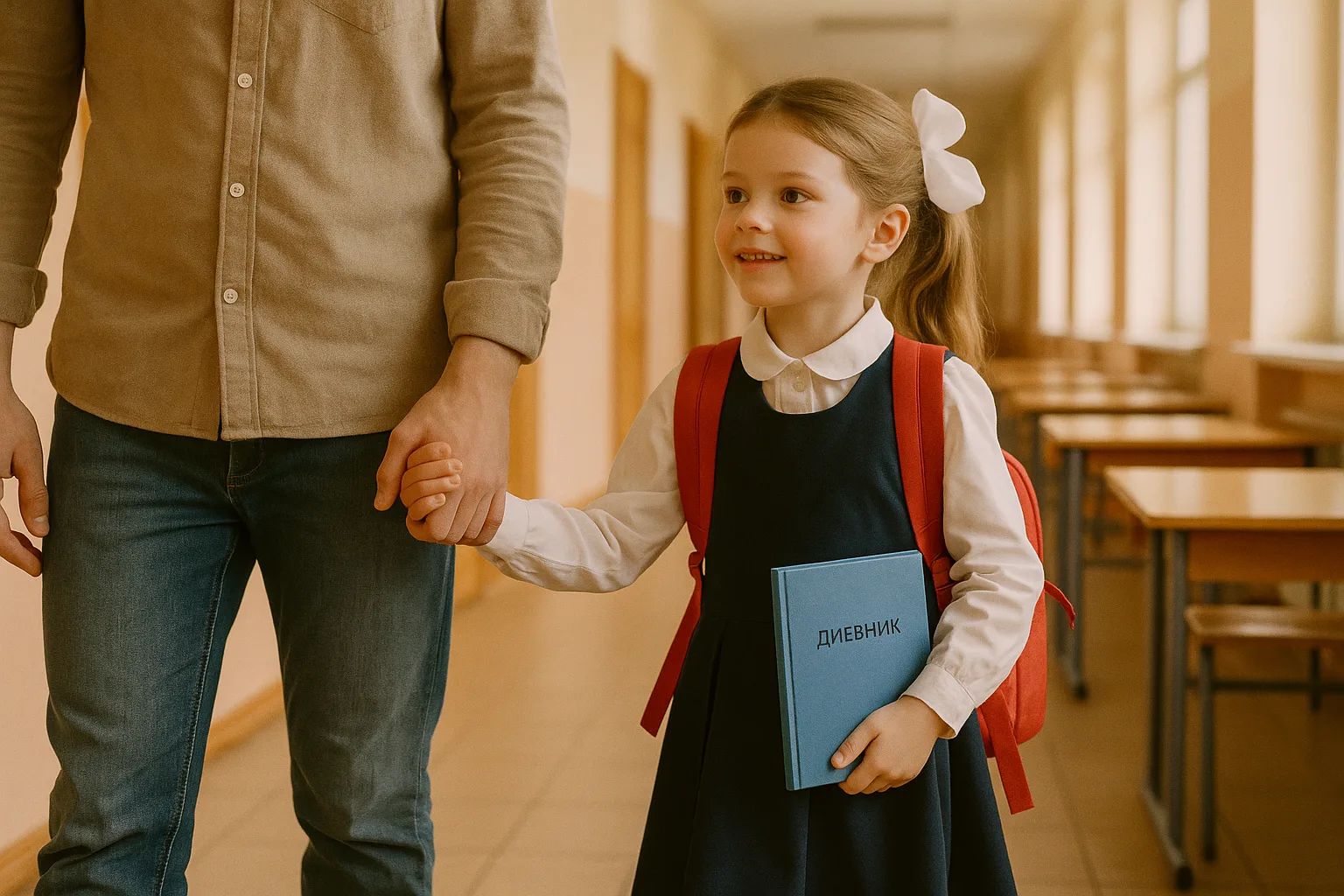
Education in Moscow today is much more than lessons in the classroom. It is a network of interactions — between teachers, parents, students, extracurricular institutions and the city’s rich cultural resources — all aimed at developing well-rounded, resilient young people. This article outlines practical approaches to school life, parent–teacher collaboration, extracurricular programming, inclusive education, and modern teaching practices that work in Moscow’s diverse school landscape.
The modern school ecosystem in Moscow — an overview
— Moscow schools include municipal schools, gymnasiums and lyceums, international and private schools. Each type offers different emphases, but all are responding to common trends:
— Greater focus on critical thinking, digital literacy and soft skills.
— Increasing use of blended learning and educational technologies.
— Growing attention to inclusive practices and individualized support.
— The city’s cultural institutions (museums, theaters, libraries) and sports clubs provide rich partnerships for experiential learning beyond the classroom.
Strengthening parent–teacher interactions
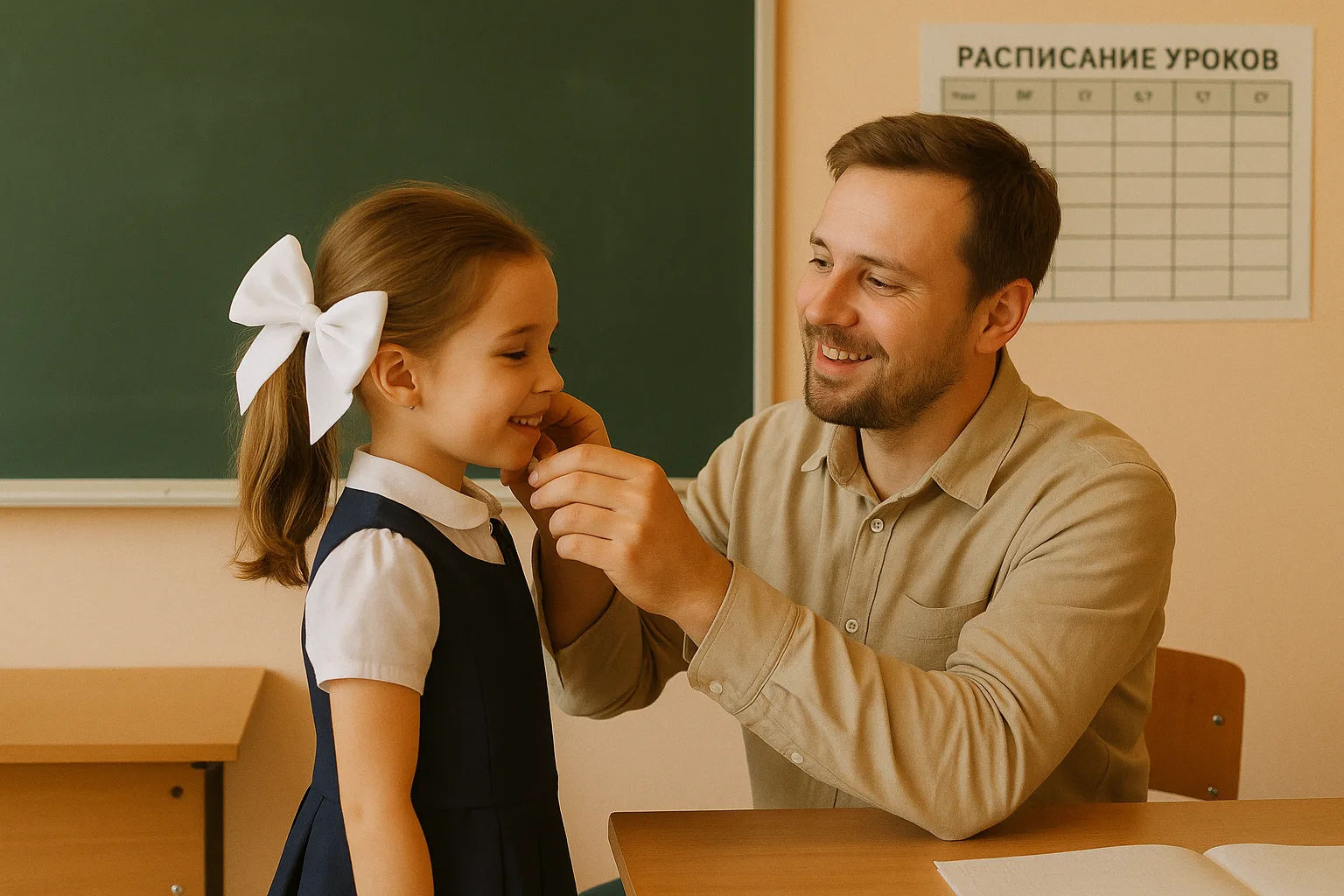
Good communication between parents and teachers is the backbone of student success. In Moscow, where parents often balance busy urban lives, structured and respectful collaboration matters.
Practical tips:
— Establish regular, predictable touchpoints: *parent–teacher conferences (родительские собрания)*, short monthly updates and term goals.
— Use concise goal-setting: agree on 2–3 measurable learning or behavior goals per term.
— Share concrete evidence: work samples, short video clips of presentations, or assessment snapshots help keep discussions objective.
— Opt for solutions-focused dialogue: when concerns arise, discuss what has been tried, what worked, and one or two next steps.
— Encourage student presence: involve the child in at least one meeting per year to promote ownership.
— Respect privacy and tone: keep communications constructive and culturally sensitive; if emotions run high, request a follow-up meeting with a mediator (school counselor or administrator).
Extracurricular activities — extension of learning
Extracurriculars in Moscow can transform interests into skills. Consider them as laboratories for teamwork, leadership and creativity.
High-impact formats:
— Arts and culture: museum workshops (Tretyakov Gallery, Pushkin Museum), theater and music schools build expressive skills.
— STEM and technology: robotics clubs, coding bootcamps and science labs encourage problem-solving and creativity.
— Sports and movement: local sports sections and municipal youth centers offer physical development and discipline.
— Volunteer and civic projects: community clean-ups, charity drives and civic initiatives build empathy and social responsibility.
— Interdisciplinary projects: combine history with media production or biology with design to link curriculum to real-world outcomes.
How to choose and organize:
— Align activities with the student’s interests and developmental stage.
— Mix short-term workshops and longer-term clubs to balance experimentation and mastery.
— Promote inclusive participation — ensure costs, schedules and locations are accessible.
Inclusive education — practical, compassionate steps
Inclusion means all students can learn and thrive together. In Moscow schools this increasingly involves classroom adaptations, specialist support and community awareness.
Best practices:
— Start with universal design: provide multiple ways to access content (visuals, audio, hands-on activities) and multiple ways to demonstrate learning.
— Use individualized learning plans: set realistic targets and accommodations tailored to each student’s needs.
— Foster peer support: buddy systems and cooperative learning create natural support networks.
— Train staff and volunteers: regular professional development on differentiation, behavior strategies and cultural competence.
— Work with specialists: integrate speech therapists, psychologists and special educators into planning and assessment.
— Communicate sensitively with families: maintain confidentiality and frame conversations around strengths and potential.
Modern teaching practices that work in urban schools
Teachers in Moscow succeed by blending research-backed methods with local realities.
Effective strategies:
— Project-based learning (PBL): students investigate real questions, present solutions and build transferable skills.
— Blended learning: combine digital platforms with in-person instruction for personalization and flexibility.
— Formative assessment: short, frequent checks of understanding guide instruction more effectively than infrequent high-stakes tests.
— Flipped classroom elements: deliver foundational content outside class and use lesson time for discussion and application.
— Social–emotional learning (SEL): integrate activities that build self-regulation, empathy and resilience.
— Data-informed instruction: use assessment results to group students for targeted support and to inform curriculum pacing.
— Collaborations with local institutions: invite museum educators, civic leaders and industry professionals for authentic learning experiences.
Supporting student development beyond academics
A balanced education nurtures the whole child.
Key areas to support:
— Life skills: time management, digital literacy, financial basics and communication.
— Mental health: normalize conversations about stress, provide access to counseling and teach coping strategies.
— Career exploration: early exposure to professions via internships, guest talks and lab visits helps students plan their futures.
— Autonomy and voice: student councils, project leadership roles and school media encourage responsibility.
Practical checklist for schools, teachers and parents in Moscow
For immediate application:
— Schools: schedule quarterly parent–teacher meetings, audit extracurricular offerings for accessibility, and provide one professional development session per term on inclusion or formative assessment.
— Teachers: create a one-page learning plan per student each term, use at least one project-based unit annually, and incorporate short SEL activities twice weekly.
— Parents: set 2–3 learning goals with your child and teacher each term, attend at least one extracurricular showcase per year, and encourage both independence and responsibility at home.
Final thoughts
Moscow’s schools benefit from a unique mix of urban resources, dedicated professionals and engaged families. When parent–teacher partnerships are constructive, extracurricular programs are accessible, and classrooms are inclusive and modern, students do more than meet curriculum standards — they grow into curious, capable citizens ready for the challenges of tomorrow.
If you’d like, I can draft a sample parent–teacher meeting agenda, a one-page individualized learning plan template, or a list of Moscow cultural institutions that partner well with schools. Which would be most helpful?