Introduction
Moscow’s schools sit at the crossroads of tradition and innovation. Rapid urban development, diverse student populations, and growing access to digital tools create rich opportunities — and responsibilities — for teachers, parents, and administrators. This article outlines practical approaches to strengthen school life, improve parent–teacher interactions, expand meaningful extracurriculars, foster student development, and embed inclusive and modern teaching practices in the Moscow context.
1. Cultivating a Positive School Life
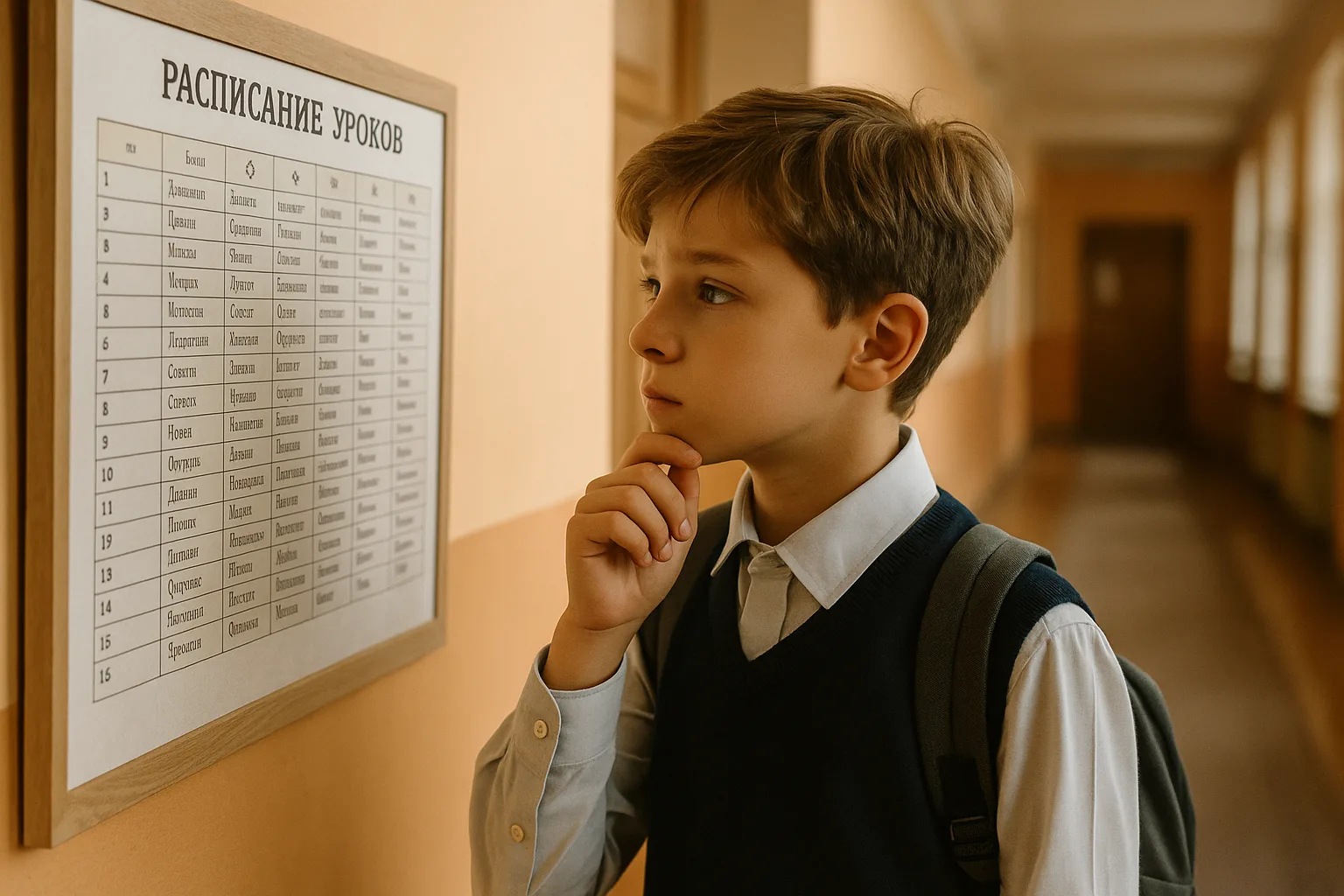
— Create a clear school identity: *values, rituals, and visual cues* (welcome boards, common assemblies, seasonal events).
— Prioritize safety and well‑being: regular checks of physical spaces, anti‑bullying protocols, and trained staff for crisis response.
— Celebrate diversity: cultural days, language corners, and parent‑led showcases that reflect the city’s multicultural families.
— Make small changes with big impact: mentoring programs, peer tutoring, and student councils to build ownership.
2. Strengthening Parent–Teacher Partnerships
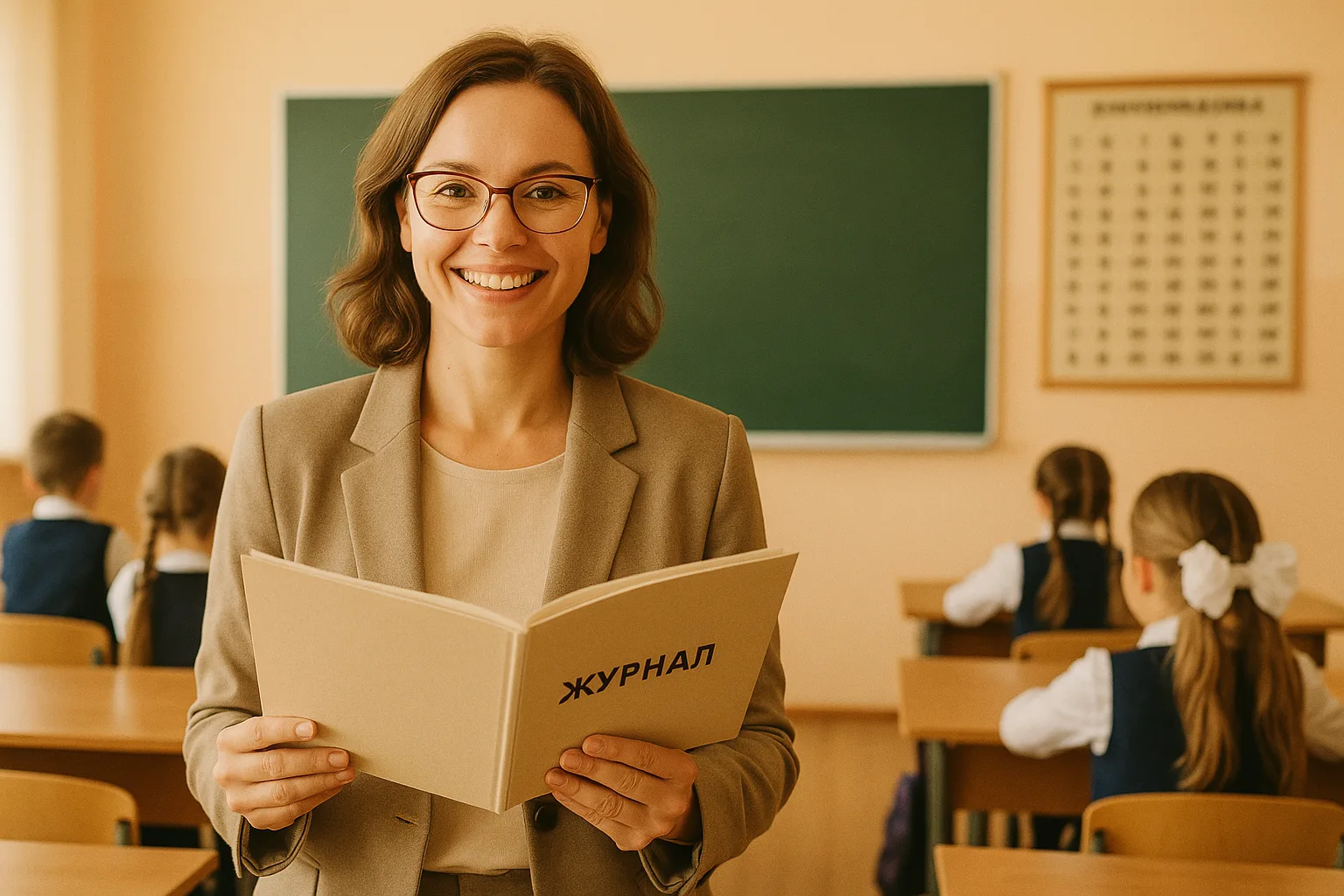
— Use multiple communication channels: in‑person meetings, phone calls, and secure online platforms (electronic diaries/parent portals) to share progress and plans.
— Structure meetings for impact:
— Short, frequent check‑ins for routine updates.
— Quarterly family conferences focused on goals and development, not just grades.
— Offer parent workshops: digital literacy, homework support, adolescent mental health, and navigating transitions (e.g., primary → secondary).
— Build partnership culture: invite parents to co‑create school events, volunteer roles, and curriculum‑adjacent projects.
— Manage difficult conversations with empathy: frame concerns around the student’s strengths and shared goals.
3. Designing Meaningful Extracurricular Activities
— Diverse offer: sports, arts, robotics, languages, debate, volunteering, and civic projects to match urban interests and future skills.
— Link to curriculum: project‑based clubs (e.g., local history + research, STEM challenges that complement lessons).
— Leverage Moscow’s assets: partnerships with museums, theaters, universities, tech centers, and cultural houses for workshops, masterclasses, and field trips.
— Flexible scheduling: lunch clubs, after‑school sessions, weekend intensives, and short seasonal programs to suit family schedules.
— Encourage student leadership: let older students run clubs, mentor younger peers, or organize city‑wide events.
4. Promoting Holistic Student Development
— Focus on competencies: communication, critical thinking, collaboration, creativity, and resilience.
— Integrate socio‑emotional learning (SEL): classroom routines for reflection, conflict resolution, and growth mindset feedback.
— Broaden assessment: portfolios, presentations, and project outcomes alongside tests to capture progress.
— Career and civic readiness: career days, internships with local enterprises, and community service to connect learning with the city and economy.
5. Implementing Inclusive Education
— Start with access: barrier‑free physical spaces, assistive technologies, and clear signage.
— Individualized support: use individual learning plans and multidisciplinary specialist teams (teachers, psychologists, speech therapists) to adapt instruction.
— Universal Design for Learning (UDL): present content in multiple formats, offer varied ways to demonstrate knowledge, and provide flexible pacing.
— Teacher training and co‑teaching models: mainstream teachers supported by special educators to promote integration and skill sharing.
— Family engagement: include caregivers in planning and celebrate small milestones to sustain involvement.
6. Modern Teaching Practices for Moscow Classrooms
— Blended learning: combine in‑class instruction with curated digital resources and guided homework via secure platforms.
— Project‑based and inquiry‑based learning: authentic tasks that use city resources (e.g., local environmental studies, architecture projects).
— Formative assessment: quick diagnostics, learning analytics from digital tools, and timely feedback cycles.
— Competency‑based progression: flexible grouping by skill rather than strictly by age or grade when appropriate.
— Professional development: regular peer observation, coaching, and access to online courses and conferences.
7. Practical Roadmap for Schools (6–12 months)
1. Audit — Gather data on student needs, extracurricular uptake, communication gaps, and accessibility.
2. Convene stakeholders — Teachers, parents, students, and municipal partners for a 1‑day planning workshop.
3. Pilot projects — Launch 2–3 initiatives (e.g., a parent workshop series, one inclusive classroom pilot, and a cross‑curricular project).
4. Train staff — Short, practical sessions on SEL, UDL, and digital tools; pair less experienced teachers with mentors.
5. Expand partnerships — Secure 2 cultural or university partners for extracurricular enrichment.
6. Evaluate and refine — Use surveys, participation metrics, and student work to improve programs.
7. Scale — Roll out successful pilots across grades or to partner schools.
8. Quick Tips for Teachers and Parents
— Teachers: set clear learning targets, use varied formative checks, and keep communication proactive and positive.
— Parents: focus on routines, attend brief check‑ins, volunteer when possible, and reinforce learning at home with curiosity rather than pressure.
— Administrators: protect time for teacher collaboration, incentivize extracurricular leaders, and maintain transparent budgeting for inclusion and innovation.
Conclusion
Moscow’s educational landscape is ripe for initiatives that combine inclusive practice, parent–teacher collaboration, rich extracurricular offers, and modern pedagogy. Small, well‑coordinated steps — guided by data and community input — can transform school life into an engaging, equitable, and future‑ready experience for every student.
If you’d like, I can draft:
— a sample parent‑teacher meeting agenda tailored to a Moscow secondary school,
— a 6‑month implementation plan with milestones and resource estimates, or
— a template for an inclusive education individual learning plan. Which would be most useful?