Introduction
Moscow’s schools sit at the crossroads of Russia’s rich cultural heritage and rapid educational modernization. From digital classrooms and museum partnerships to evolving approaches to inclusion and whole-child development, teachers, parents, and school leaders in the capital are re-shaping what school life looks like for today’s students. This article outlines practical approaches, local context, and actionable tips for fostering student growth, meaningful parent–teacher interaction, and effective extracurricular programs.
The Moscow context
— The *Moscow Department of Education* supports large-scale initiatives: digital learning platforms, citywide extracurricular networks, and partnerships with cultural institutions.
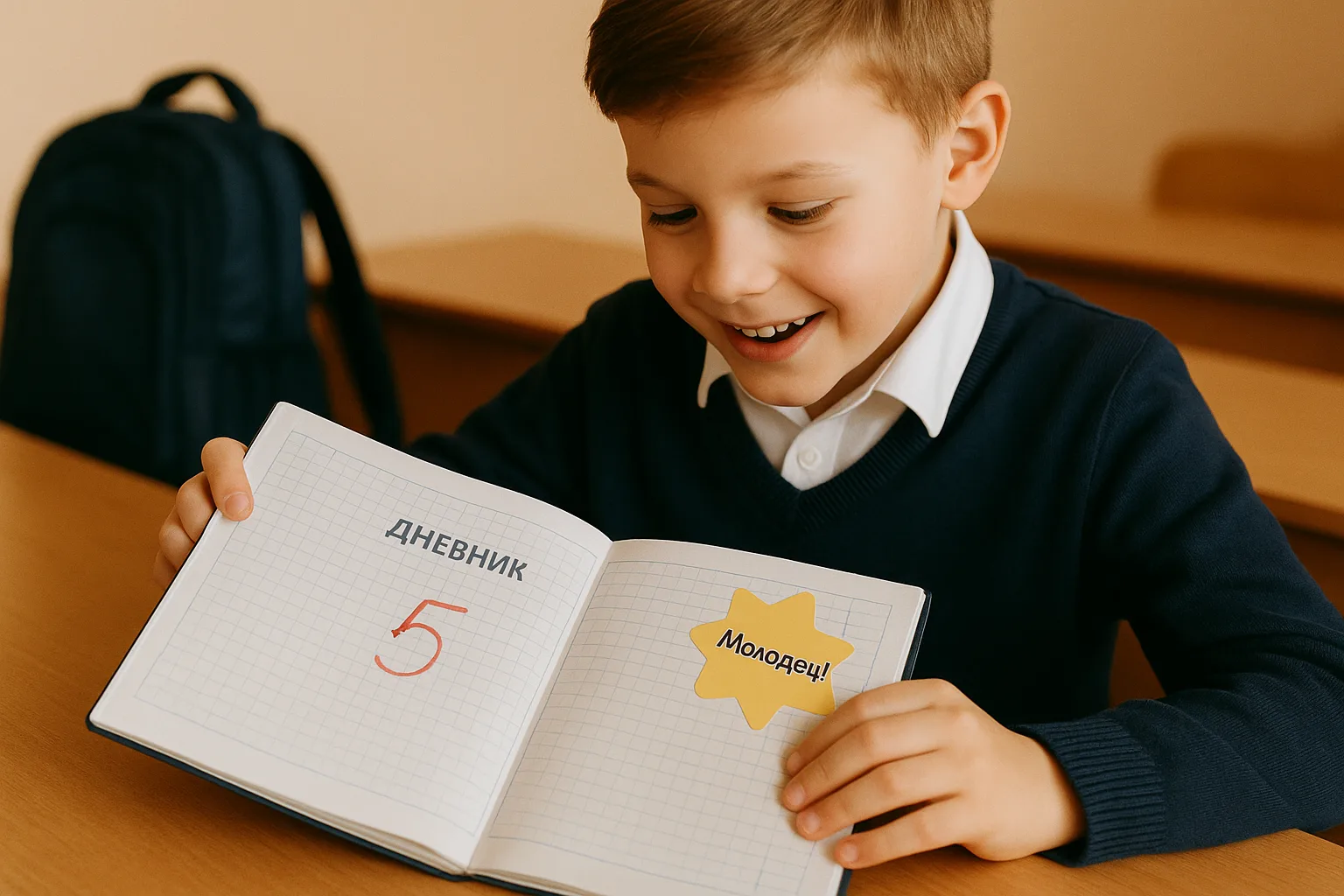
— Many schools use an electronic diary/journal (электронный журнал/дневник) to share grades, homework, and messages between teachers and families.
— Schools frequently collaborate with museums, theatres, scientific centres and sports clubs across the city, offering rich out-of-classroom learning opportunities.
Modern teaching practices that work
— Project-based learning: real-world projects rooted in Moscow’s urban environment (local history, science investigations, city planning) encourage curiosity and collaboration.
— Blended learning: combining in-person instruction with digital resources helps personalize learning and track progress through formative data.
— Formative assessment: short, frequent checks for understanding (quizzes, exit tickets, peer feedback) guide instruction and prevent gaps.
— Cross-curricular units: arts + history, STEM + civic education, or literature + social studies deepen understanding and relevance.
— Emphasis on 21st-century skills: critical thinking, communication, teamwork, digital literacy, and adaptability.
Inclusive education in practice
— Differentiated instruction: adapt tasks, provide scaffolds, and offer alternative ways to demonstrate learning.
— Individual educational plans (IEPs): set realistic, measurable goals for students with additional needs and involve parents in plan development and review.
— Resource and support networks: specialist teachers, psychological services, speech therapists and city resource centres help mainstream classrooms succeed.
— Universal Design for Learning (UDL): multiple means of engagement, representation and expression to make lessons accessible to a wider range of learners.
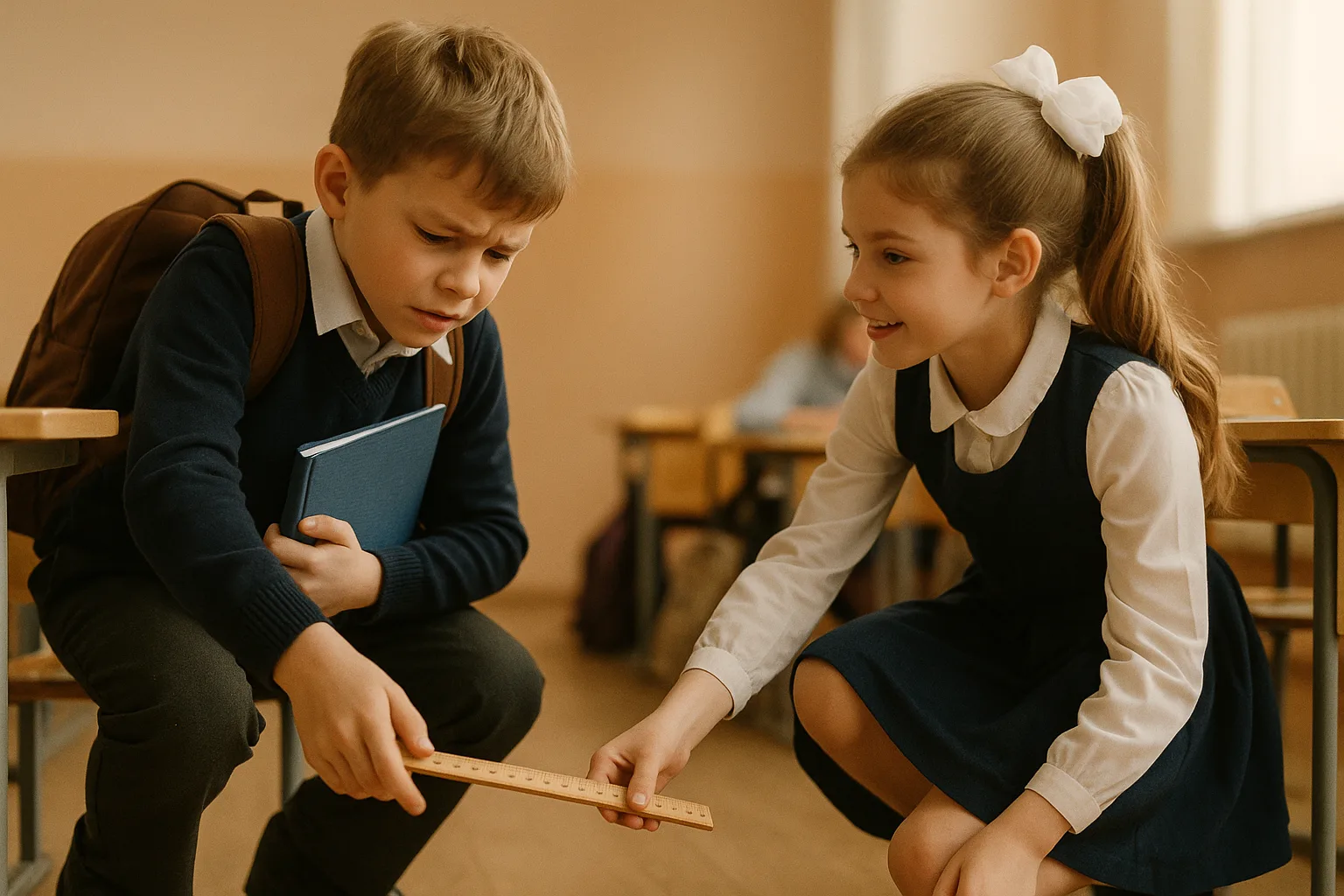
— Social inclusion: peer support, buddy systems, and cooperative activities reduce stigma and build classroom community.
Parent–teacher interactions: building partnership and trust
— Routine, two-way communication: use the electronic diary, scheduled calls, and brief progress notes—balanced with face-to-face meetings when needed.
— Focus on strengths first: start conversations by highlighting what the student does well before discussing concerns.
— Shared goal-setting: establish concrete, short-term goals that parents and teachers can support together.
— Prepare for conferences: teachers should bring samples of student work and clear suggestions; parents should bring observations and questions.
— Cultural sensitivity: Moscow is diverse—respect family backgrounds, schedules, and expectations.
Extracurriculars and out-of-school learning
— Diverse options: sports, robotics, theatre, music schools, language clubs, and volunteer projects extend learning beyond the classroom.
— City partnerships: museums (e.g., Tretyakov), theatres (e.g., Bolshoi outreach programs), planetariums and science centres offer curated programs for school groups.
— Student-led activities: encourage clubs run by students (journalism, debate, eco-club) to grow leadership and initiative.
— Balance and wellbeing: encourage variety but avoid overscheduling; align activities with student interests and development goals.
Fostering whole-child development
— Social-emotional learning (SEL): integrate lessons on empathy, self-regulation, and conflict resolution into daily routines.
— Career and civic guidance: early exposure to professions, vocational options and civic projects helps students make informed choices.
— Healthy school environment: nutrition, physical activity, and mental health supports are essential for academic success.
— Celebrating progress: recognise effort, improvement and cooperation alongside academic achievement.
Practical tips — for teachers
— Share a weekly update via the electronic diary: one positive note, one focus area, and one suggestion for home.
— Use short, varied formative checks and adjust instruction within days, not weeks.
— Build partnerships with local cultural institutions for curriculum-enriching fieldwork or expert visits.
— Create clear, differentiated lesson outputs so all students can succeed at their level.
Practical tips — for parents
— Use the electronic diary regularly and attend scheduled conferences; prepare questions in advance.
— Reinforce learning at home with short, consistent routines: reading, discussion about school projects, and time for reflection.
— Encourage one or two extracurricular activities based on your child’s interests rather than overloading their schedule.
— Collaborate with teachers on small, actionable goals—celebrate milestones to build motivation.
Practical tips — for school leaders
— Invest in teacher professional development focused on inclusion, formative assessment, and digital pedagogy.
— Facilitate partnerships with cultural and sports institutions to expand student opportunities.
— Promote transparent communication policies and standardize the use of digital tools across the school.
— Monitor wellbeing indicators (attendance, engagement, counsellor referrals) as part of school quality metrics.
Short examples from Moscow schools
— A neighbourhood school partners with a local museum to run semester-long research projects where students curate mini-exhibitions that are then displayed in the museum lobby.
— A city-supported robotics club uses municipal tech labs to prepare teams for regional competitions, while younger students attend weekly coding circles.
— An inclusive classroom uses peer-buddying and adaptive materials so students with different learning profiles participate fully in literature circles.
Conclusion
Moscow’s schools have a unique advantage: proximity to world-class cultural, scientific and sporting institutions and growing support for modern, inclusive practices. When teachers, parents and school leaders collaborate—leveraging digital tools, meaningful extracurriculars and a focus on whole-child development—students thrive academically and socially. Start with small, consistent steps: clear communication, shared goals, and learning experiences that connect the classroom to the life of the city.