Introduction
Moscow’s schools are evolving quickly: classrooms blend digital tools with hands-on projects, extracurricular programs leverage the city’s cultural wealth, and inclusive practices are increasingly part of everyday school life. This article outlines practical approaches for teachers, parents, and school leaders to strengthen student development, improve parent–teacher interactions, and make the most of modern teaching practices in the Moscow context.
The Moscow school landscape (what matters now)
— Strong municipal support: digital platforms (Московская электронная школа, электронный дневник), city programs for extracurricular and cultural partnerships, and networks of resource centers.
— Diverse opportunities: city museums, theaters, sports academies, and science centers offer rich out-of-classroom learning.
— Regulatory framework: national standards (ФГОС) and local initiatives shape curricula and inclusive policies.
Modern teaching practices that work in Moscow classrooms
— Blended learning: combine classroom instruction with digital lessons from Московская электронная школа to personalize pace and content.
— Project-based learning (PBL): collaborate with local museums, tech hubs, and universities on city-themed projects (urban ecology, history of Moscow neighborhoods).
— Formative assessment: short, frequent checks to guide teaching rather than only final grades.
— STEAM and maker spaces: integrate science, technology, engineering, arts, and math through hands-on labs and school workshops.
— Differentiated instruction: adapt tasks and materials to varied readiness levels and learning styles.
— Social-emotional learning (SEL): embedded routines for empathy, self-regulation, and teamwork.
Inclusive education: practical supports and approaches
— Universal design for learning (UDL): provide multiple ways to access material, express understanding, and engage.
— School-based support: resource teachers, speech therapists, and psychologists working with classroom teachers.
— Physical accessibility: ramps, clear signage, and quiet spaces where possible; coordinate with municipal accessibility programs.
— Peer support programs: buddy systems and cooperative group work to foster belonging.
— Individualized plans: adapt curricula and assessment methods in collaboration with parents, specialists, and, when appropriate, municipal resource centers.
Parent–teacher interactions: building productive partnerships
— Regular, structured communication:
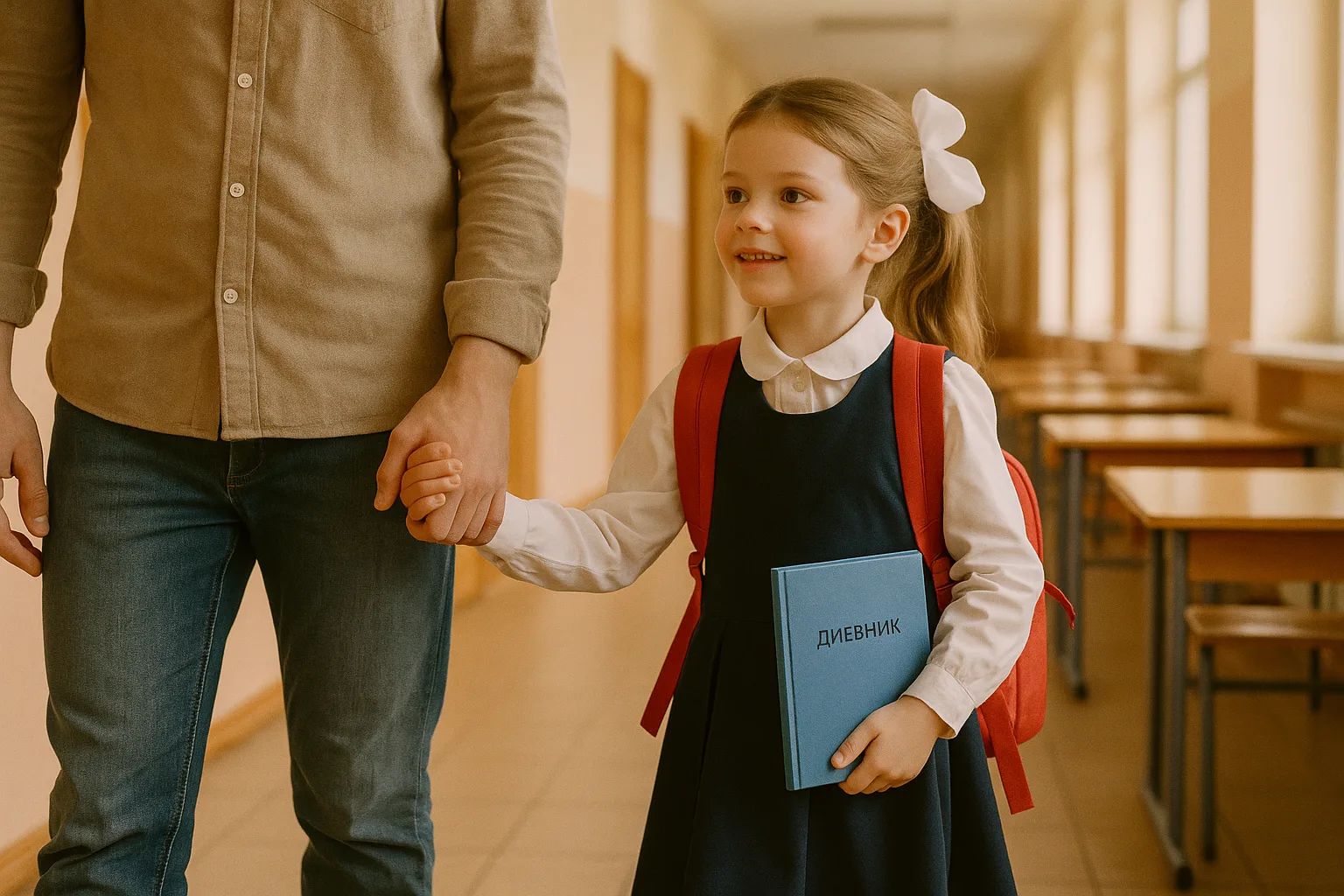
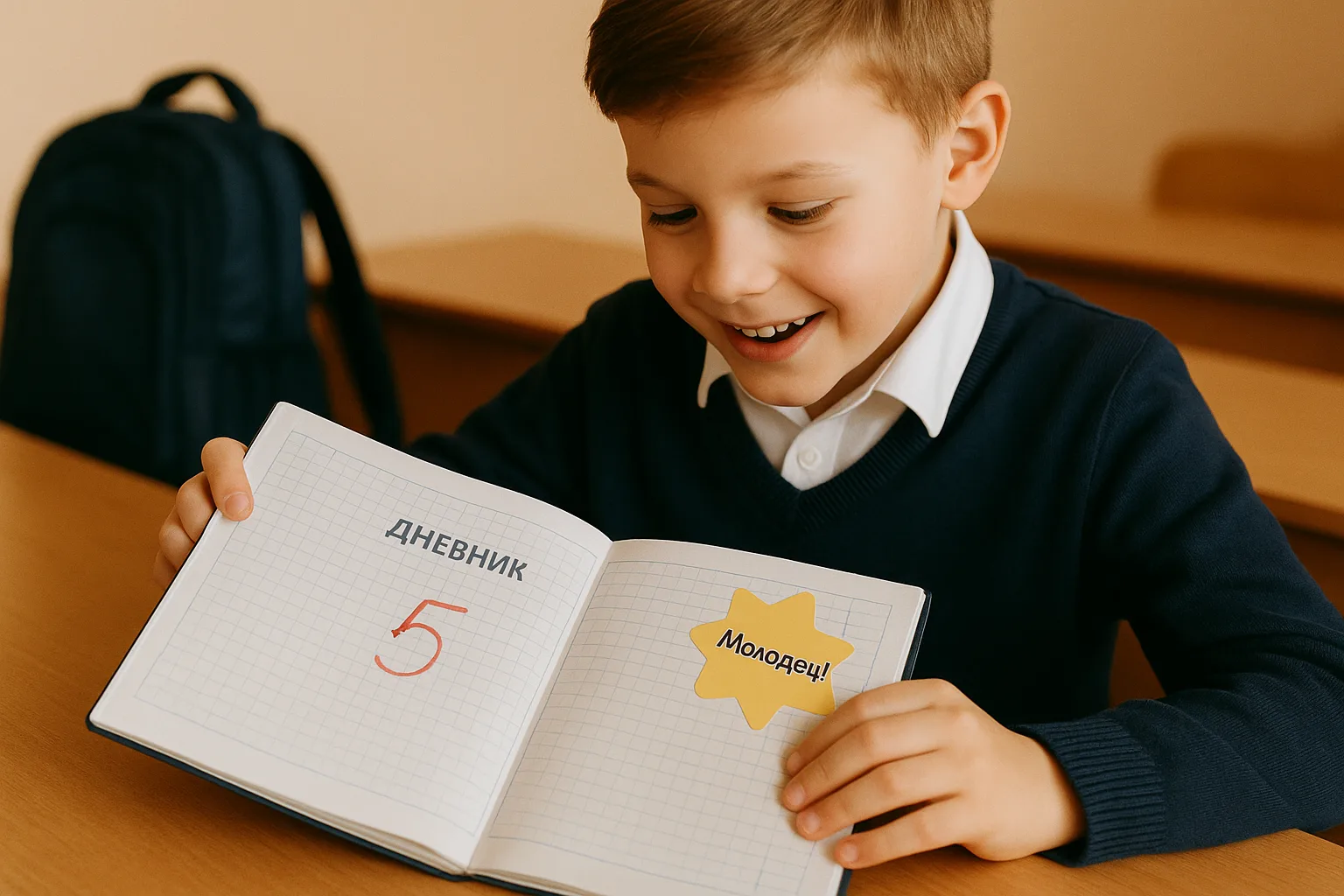
— Use электронный дневник and parent portals for assignments, attendance, and grades.
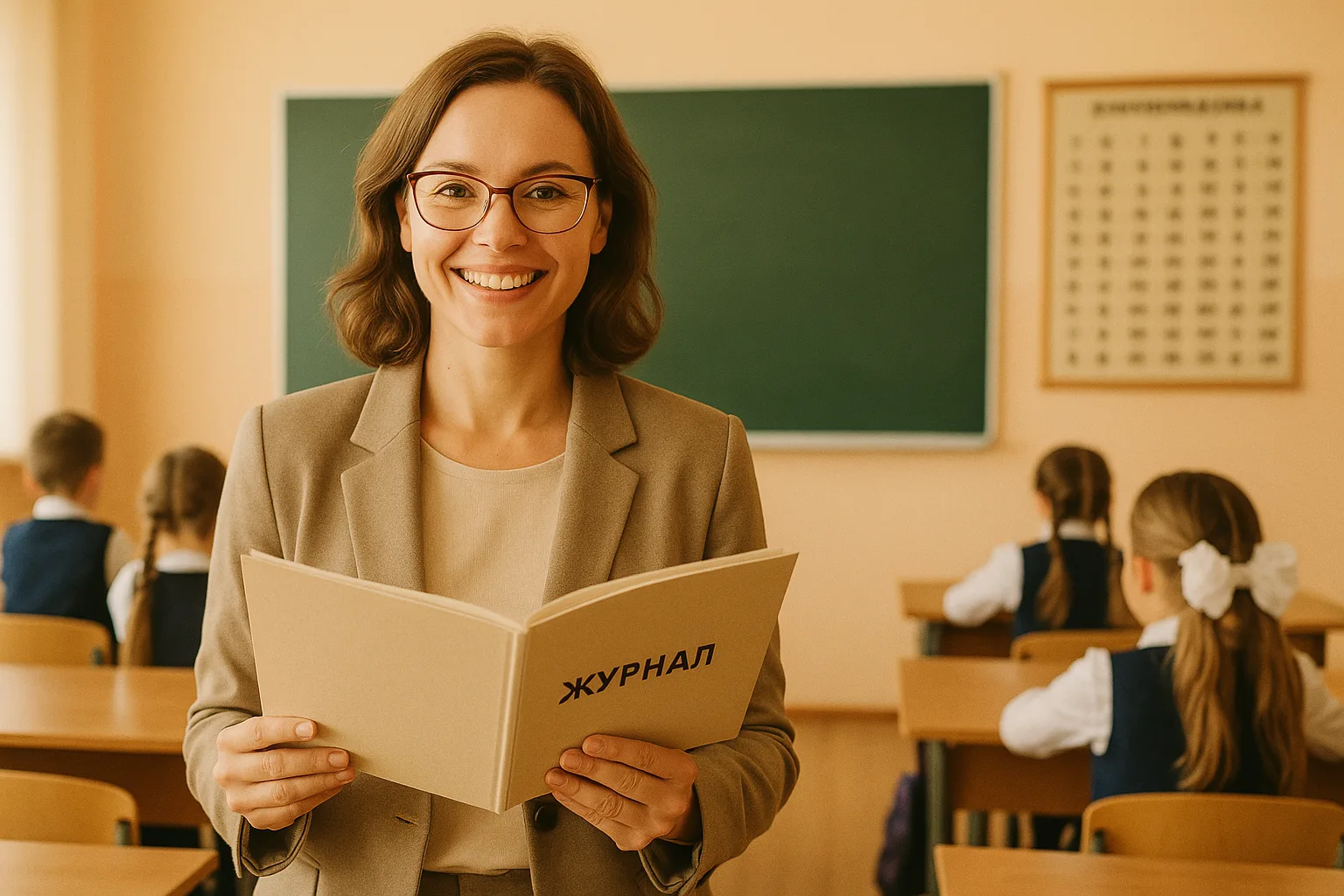
— Schedule brief weekly check-ins and formal term conferences.
— Shared goals and problem-solving:
— Define academic and behavioral goals together; agree on small, measurable steps.
— Use solution-focused language: what’s working, what we’ll try next, who does what.
— Practical tips for meetings:
— Come with examples (work samples, observations).
— Focus on strengths first, then needs.
— Agree on follow-up and timelines.
— Inclusive engagement:
— Offer meeting times that suit working parents and alternative formats (phone, video).
— Invite parents to classroom events, workshops on supporting learning at home, and school councils.
Extracurricular activities shaping student development in Moscow
— Cultural partnerships: museum-led programs (e.g., Pushkin Museum, Polytechnic Museum) for history, art, and research skills.
— Sports and outdoors: city sports schools, skating and gymnastics clubs, and urban ecology initiatives.
— Academic clubs and Olympiads: specialized schools and municipal centers help students prepare for competitions.
— Creative and tech studios: coding clubs, robotics, theater, music studios, and maker spaces.
— Volunteering and civic projects: community clean-ups, eldercare visits, and cultural volunteering in Moscow neighborhoods.
Short examples of successful school initiatives
— A school partners with a local museum for a cross-curricular project on Moscow’s industrial history, producing student-created exhibits.
— Teacher teams run an after-school robotics club tied to math curriculum goals, presenting at municipal STEM fairs.
— Inclusive classrooms use peer-mediated reading groups where older students support younger peers with special needs.
Action checklist for teachers and parents
For teachers:
— Integrate one project-based task per term tied to local resources.
— Use formative checks weekly and adapt lessons accordingly.
— Invite parents into the learning process with clear, actionable suggestions.
For parents:
— Regularly use the electronic diary and attend at least one school event per term.
— Support homework routines with a quiet space and predictable schedule.
— Volunteer or connect the school with local cultural or sports resources.
Resources to explore in Moscow
— Московская электронная школа (Moscow Electronic School) — digital lessons and materials.
— Electronic diary platforms used by Moscow schools.
— Local museums, cultural centers, and municipal youth palaces for extracurricular programs.
— School psychological and resource centers — for inclusive education support.
— Mos.ru — municipal services and educational program listings.
Conclusion
Moscow offers a unique mix of digital infrastructure, cultural capital, and municipal support that schools can use to create inclusive, engaging learning environments. Teachers and parents who collaborate, harness modern pedagogies, and tap city resources can help every student develop academically, socially, and creatively. Start small: pick one new practice to try this term, involve colleagues and parents, and iterate based on what students need.
If you’d like, I can draft a parent–teacher meeting agenda, a one-term project plan using a local museum, or a checklist for making a lesson more inclusive. Which would be most useful?