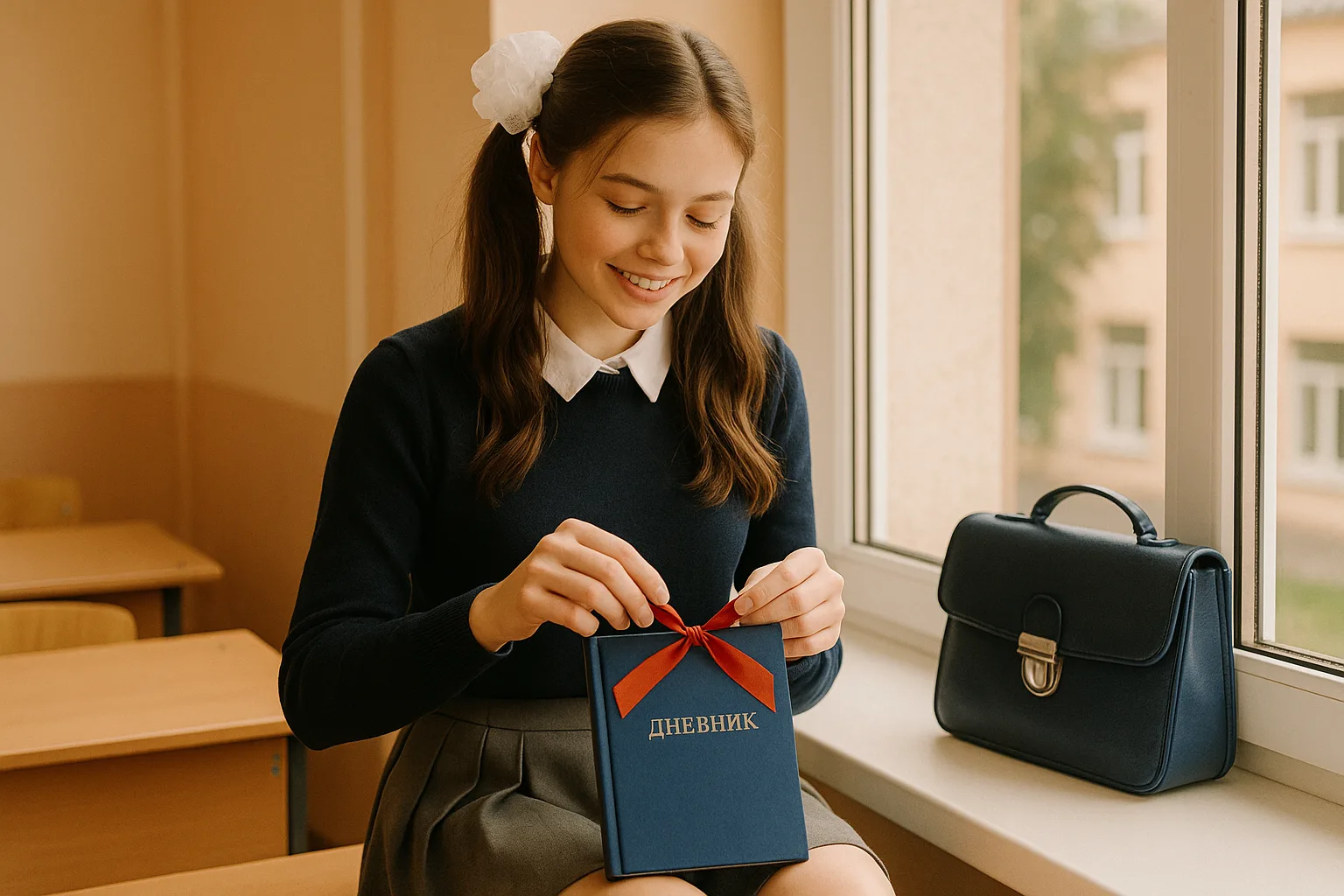
Modern School Life in Moscow: Inclusive, Engaging, and Future-Ready
Moscow’s schools sit at the crossroad of long educational traditions and rapid innovation. From digital classrooms to vibrant after-school programs, the city offers a rich ecosystem for student growth — but success depends on strong collaboration between teachers, parents, school leaders, and the wider community. This article outlines practical ideas and approaches to make school life in Moscow more inclusive, developmental, and aligned with modern teaching practices.
The modern Moscow classroom: technologies and pedagogies that work
— Use blended and flipped-classroom approaches to free up in-person time for discussion, projects, and personalization.
— Leverage Moscow Electronic School (МЭШ) and other digital platforms for curriculum resources, homework tracking, and formative feedback.
— Emphasize project-based learning and interdisciplinary tasks that connect Russian history, literature, STEM and civic topics to real-life city contexts.
— Apply formative assessment techniques (exit tickets, peer review, short quizzes) to guide instruction and support students before summative grading.
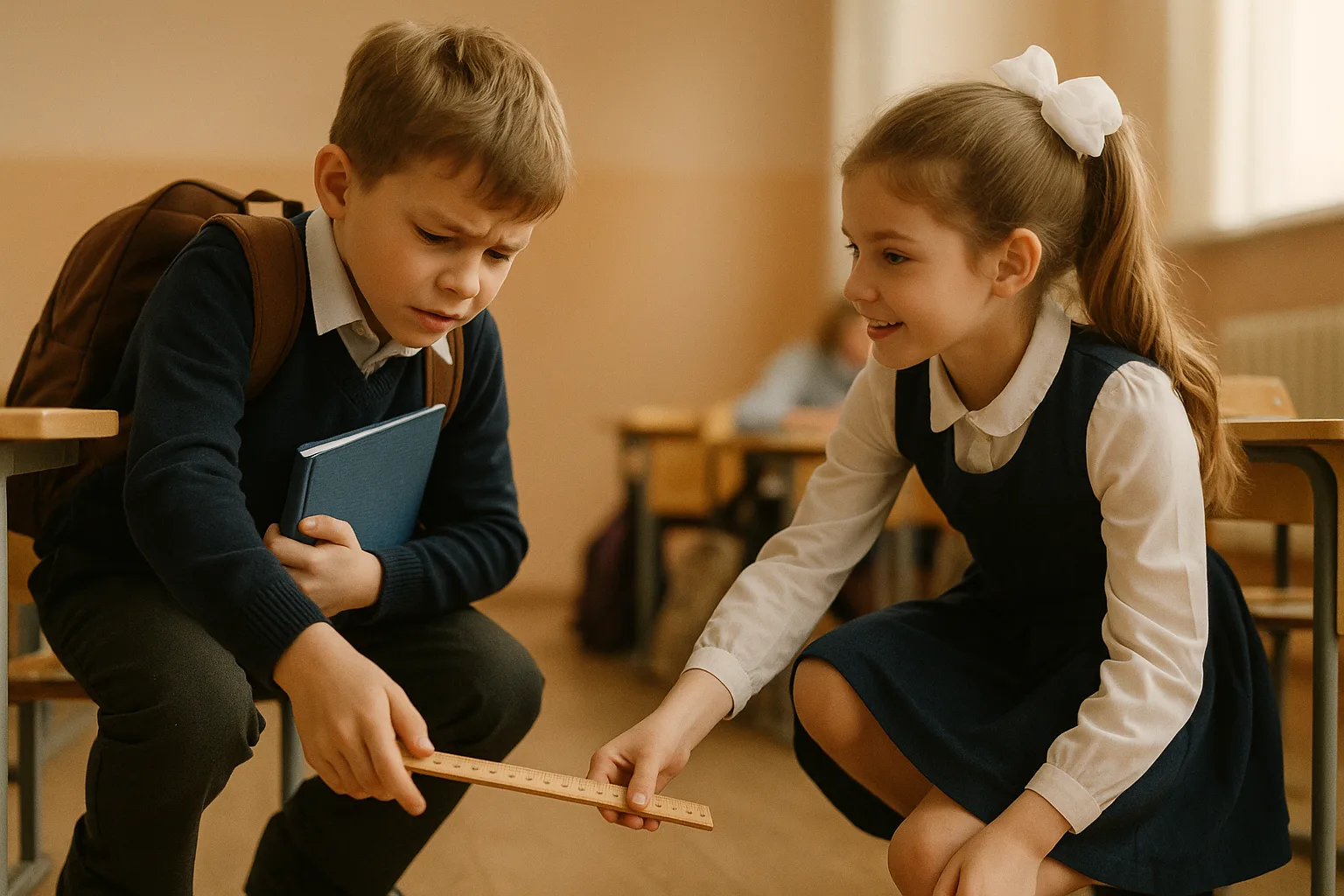
— Encourage collaborative learning — group research projects, presentations, and cross-grade mentoring.
Inclusive education: practical steps for equity and access
— Embrace Universal Design for Learning (UDL): present content multiple ways (visual, auditory, hands-on) to reach diverse learners.
— Create Individualized Education Plans (IEPs) or tailored learning goals in partnership with parents and specialists for students with disabilities or learning differences.
— Use co-teaching and resource teacher models so students can stay in mainstream classrooms with targeted support.
— Ensure physical accessibility and sensory-aware classroom setups (alternative seating, quiet corners, clear visual schedules).
— Promote peer-support systems and social-emotional learning so inclusion is both academic and social.
Parent–teacher partnerships: communication and shared goals
— Schedule regular, structured parent–teacher interactions beyond annual meetings: short monthly check-ins, goal-setting sessions, and progress notes.
— Use digital tools (school platforms, messengers, МЭШ integrations) to share homework, grades, and classroom news while respecting boundaries and privacy.
— Invite parents to contribute expertise (career talks, workshops) and to participate in school councils or volunteer teams.
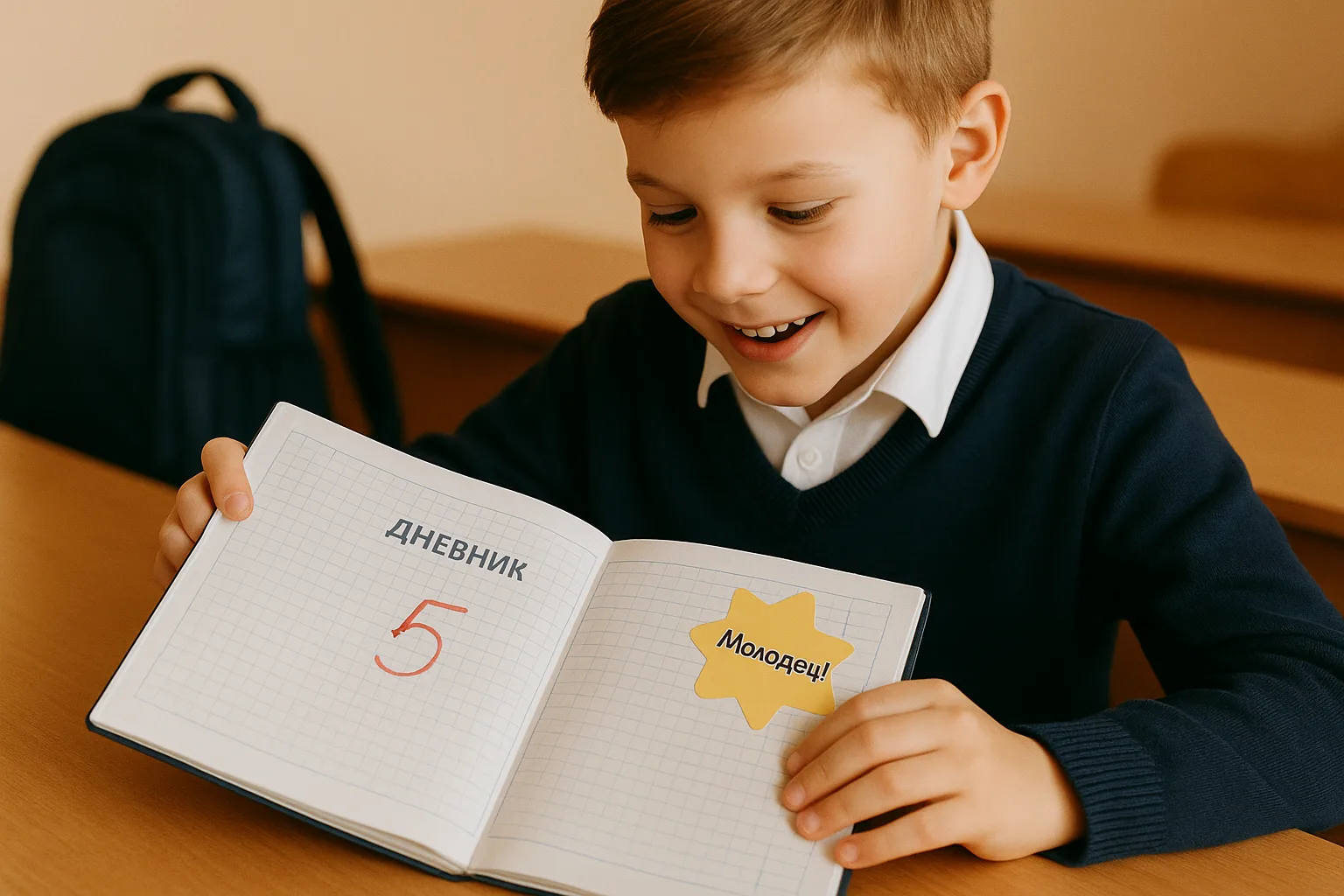
— Build trust with clear expectations, constructive feedback, and a focus on student strengths as well as areas for development.
Extracurricular activities: broadening horizons after class
— Offer a balanced portfolio: robotics and coding clubs, arts and theater, debate and public speaking, sports teams, environmental and volunteer projects.
— Partner with Moscow’s museums, theaters, higher-education institutions, and cultural centers for field trips, masterclasses, and joint projects.
— Use extracurriculars to develop soft skills — leadership, teamwork, project management — and to connect learning to civic engagement in the city.
— Ensure access by offering sliding-fee structures, transportation help, or scholarship spots for low-income families.
Student development: skills, assessment, and agency
— Focus on core competencies: critical thinking, digital literacy, communication, creativity and emotional intelligence.
— Promote student agency: regular opportunities for learners to choose topics, lead projects, and reflect on their learning through portfolios.
— Combine traditional assessments with performance-based evaluations: exhibitions, project rubrics, reflective journals and digital portfolios.
— Encourage metacognition — teach students to set goals, monitor progress, and adjust strategies.
For school leaders and teachers: implementing change step-by-step
— Start with pilots: test a flipped lesson, an inclusive classroom strategy, or a new extracurricular for one grade or teacher team.
— Invest in continuous professional development — peer observations, coaching, and city-level seminars or online courses.
— Use data wisely: track attendance, engagement, formative assessment results and parent feedback to refine programs.
— Cultivate community partnerships (universities, NGOs, cultural institutions) to expand resources and real-world learning opportunities.
— Celebrate small wins publicly to build momentum and stakeholder buy-in.
Quick practical checklist
— For teachers:
— Use one new formative assessment method this term.
— Try a co-teaching or peer-support strategy for at least one class.
— Share a weekly update with parents via the school platform.
— For parents:
— Attend a curriculum night or volunteer once a quarter.
— Encourage your child to join an extracurricular club based on interest.
— Ask for regular progress notes; partner on realistic goals.
— For school leaders:
— Launch one pilot project (inclusive classroom, digital tool, or extracurricular) and evaluate after one semester.
— Schedule monthly teacher collaboration time for lesson design and inclusion strategies.
— Reach out to a local cultural or university partner for a joint project.
Closing: a shared mission for Moscow’s schools
Moscow’s schools have the infrastructure and community to prepare young people for a complex world. The most lasting improvements come when modern teaching practices, inclusive policies, active parent–teacher partnerships, and rich extracurricular programs work together. Start with small, measurable changes, involve students and families in the process, and keep the focus on developing confident, compassionate, and capable learners.
Together, teachers, parents, and school leaders can turn everyday school life into a launchpad for every child’s success in Moscow and beyond.