Introduction
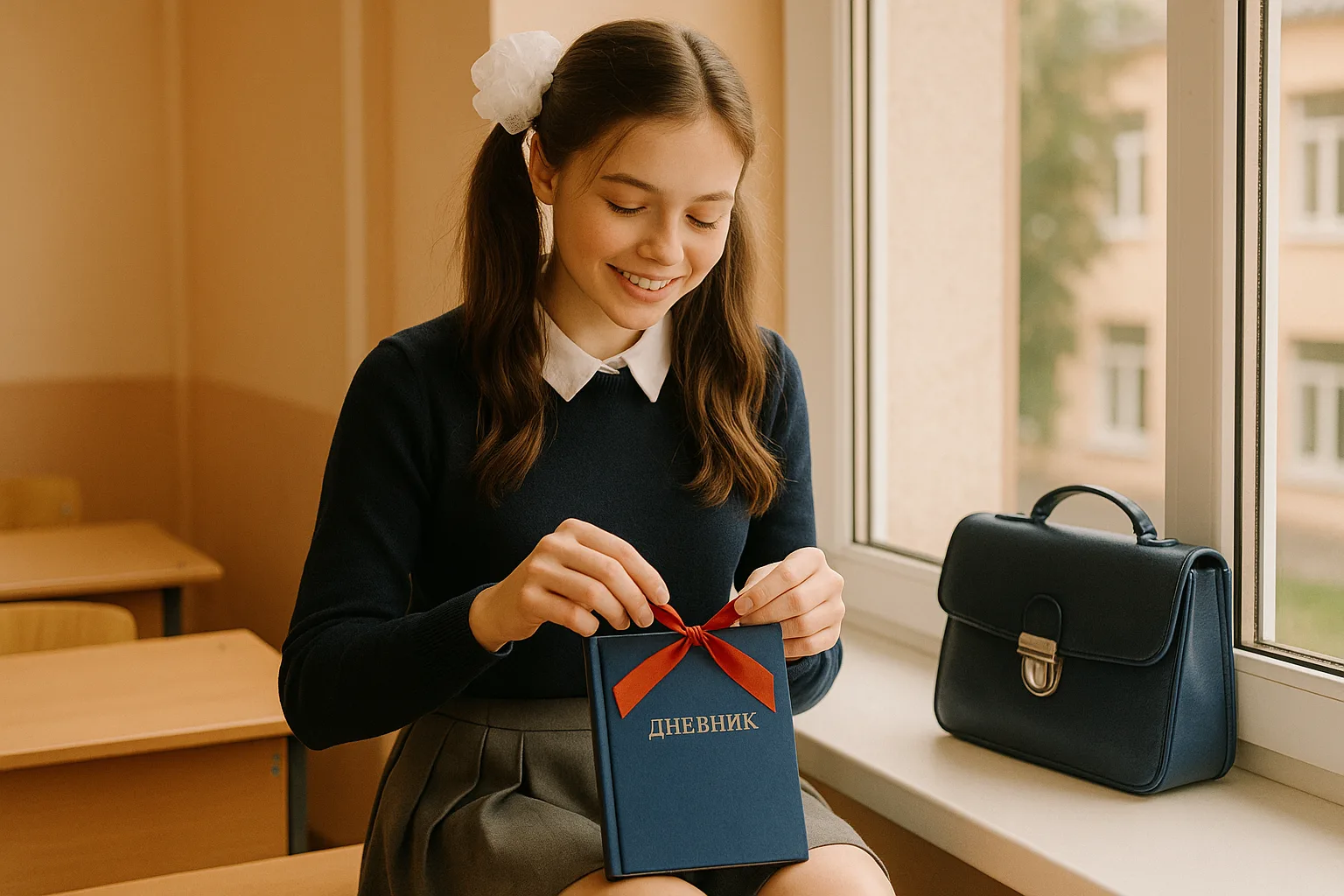
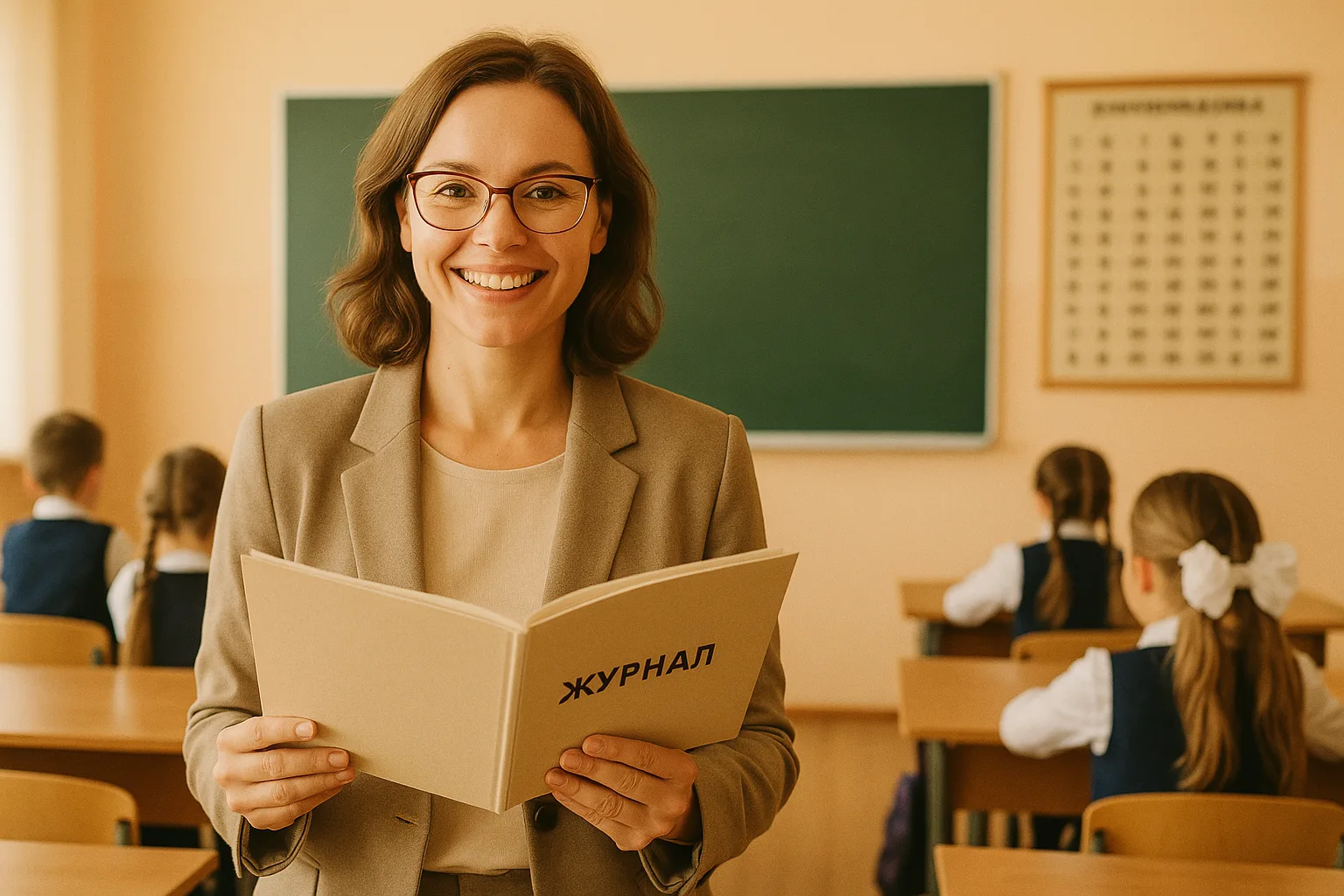
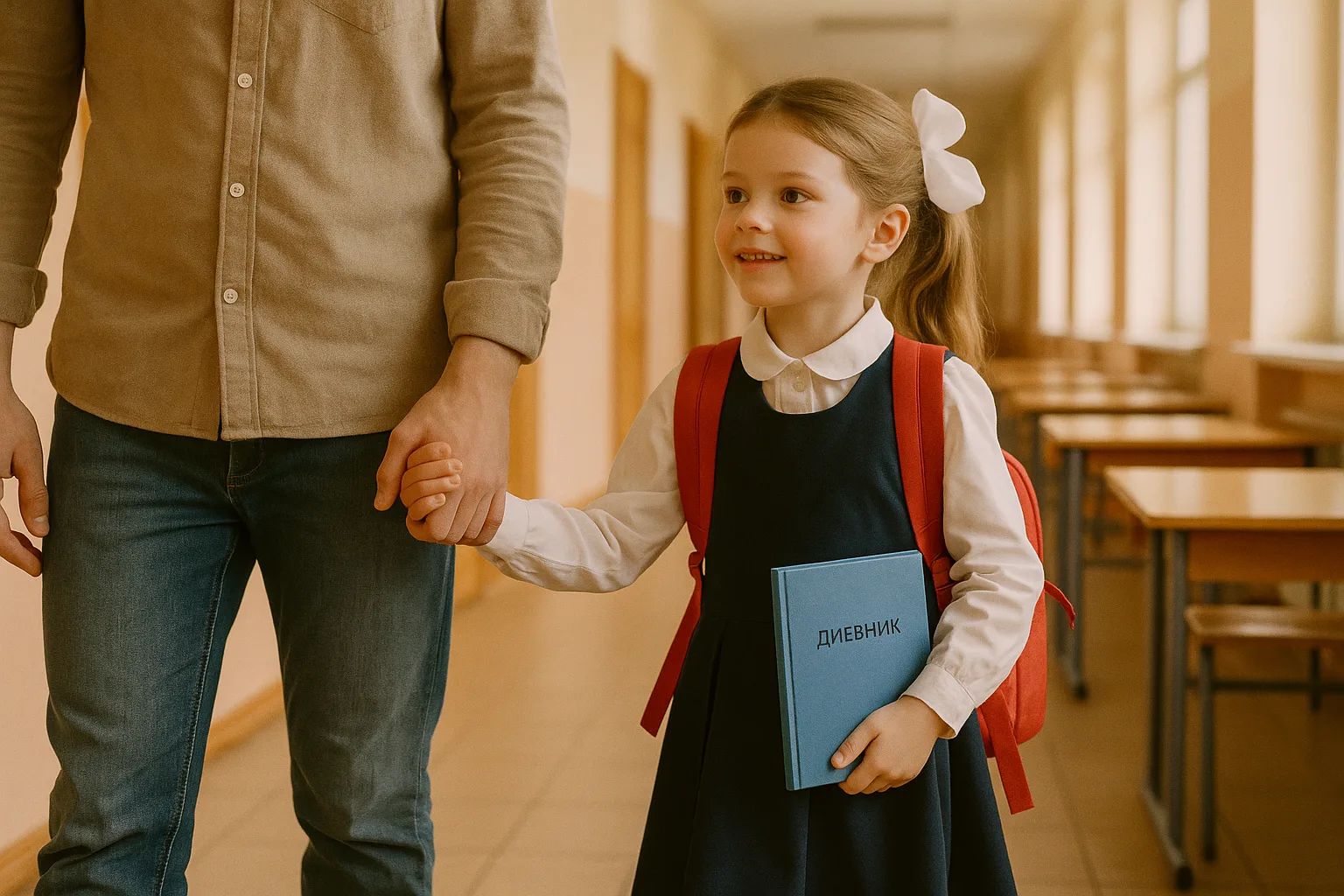
Moscow’s schools are at the intersection of tradition and innovation: rich cultural resources, city-led digital tools, and national standards combine with modern teaching practices to shape student life. This article outlines practical approaches to school life, inclusive education, extracurricular development, and effective parent–teacher interaction that work in the Moscow context.
The Moscow context
— Strong municipal support: city programs and digital platforms (e.g., Moscow Electronic School / Московская электронная школа, municipal portals) make communication and resources widely available.
— Cultural capital: museums, theaters, libraries and universities within the city offer easy opportunities for curriculum-linked excursions and partnerships.
— National framework: Federal educational standards (ФГОС / FGOS) guide curriculum and inclusive education expectations, while local schools adapt methods to meet diverse student needs.
Modern teaching practices that work in Moscow classrooms
— Blended and flipped learning: combine in-class active work with digital pre- or post-lesson tasks via electronic diaries and LMS to free in-person time for discussion and projects.
— Project-based learning (PBL): design projects tied to Moscow’s cultural and civic life—local history investigations, science projects using city data, community-themed art.
— Differentiated instruction: use tiered activities and flexible grouping so students across ability levels access the same learning goals.
— Formative assessment and feedback: short, frequent checks (quizzes, exit tickets, oral checks) guide instruction and keep parents informed.
— Universal Design for Learning (UDL): present material in multiple formats (visual, auditory, kinesthetic) to reduce barriers for all learners.
— Social-emotional learning (SEL): teach self-regulation, teamwork and communication as explicit competencies alongside academics.
Inclusive education in practice
— Multi-disciplinary teams: regular collaboration among classroom teachers, special educators, psychologists and speech therapists to develop tailored support plans.
— Resource rooms and in-class support: provide small-group instruction, adaptive materials and assistive technologies while keeping students in mainstream classes where possible.
— Early identification and intervention: screen for learning needs early and communicate findings to families with clear action steps.
— Parent and community involvement: leverage city services, medical and rehabilitation centers, and NGOs that support inclusion.
— Respectful classroom culture: teach peer empathy, use classroom norms that value diversity, and celebrate individual progress.
Extracurricular activities: broadening opportunities for Moscow students
— Academic clubs: robotics, math circles, language clubs, debate teams—many supported by city institutions and university partnerships.
— Arts and culture: music, theater, visual arts tied to Moscow’s cultural venues for performances and exhibitions.
— Sports and health: school teams, morning fitness programs, and partnerships with sports clubs across the city.
— Civic and volunteer projects: community clean-ups, museum docent programs, local history research that connect students to Moscow neighborhoods.
— Flexible scheduling: after-school and weekend options, plus blended/civic projects, to include students with different needs and family situations.
Parent–teacher interaction: strategies for partnership and trust
— Regular, structured communication: combine scheduled parent–teacher conferences with digital updates via school portals and short weekly summaries.
— Two-way dialogue: invite parents to share insights about their child’s learning styles, health, routines and goals; treat them as partners in planning.
— Clear, actionable feedback: focus on specific behaviors and next steps rather than only on grades—use examples and small goals.
— Inclusive meetings: provide interpretation, flexible meeting times, digital participation options and written summaries for parents who cannot attend.
— Parent engagement in school life: invite parents to lead workshops, take part in extracurriculars, accompany excursions or contribute professional skills.
Developing the whole child: what success looks like
— Balanced competencies: academic skills + critical thinking, communication, collaboration and resilience.
— Independence and agency: students set goals, reflect on progress and contribute to classroom decisions.
— Community-mindedness: young people who understand and care about their neighborhoods and the broader city.
— Lifelong learning habits: curiosity, digital literacy and the ability to adapt to new challenges.
Practical steps for schools and parents (quick checklist)
For schools:
— Use city digital platforms to share lesson plans and progress.
— Build PBL modules tied to local sites (museums, city data, neighborhoods).
— Create multidisciplinary inclusion teams and regular review cycles.
— Offer varied extracurricular schedules and partnerships with cultural institutions.
For parents:
— Engage via the school’s electronic channels; ask for concrete examples of progress.
— Encourage after-school interests and help students reflect on what they learn.
— Attend at least one class or club session per term to understand classroom dynamics.
— Support routines that balance study, sleep, physical activity and creative time.
Conclusion
Modern, inclusive school life in Moscow thrives when schools, families and community institutions work together. By combining evidence-based teaching practices, strong parent–teacher partnerships, rich extracurricular offerings and a commitment to inclusion, Moscow’s schools can help every child develop academically, socially and emotionally—prepared for a changing world and rooted in their city.